Tourist destination
Rose Park
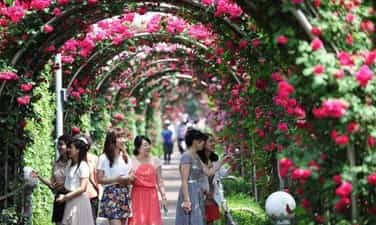
Rose Park - Ecotourism destination in the heart of Hanoi. Rose Park is located in Dam Tranh Ecological Area, Thach Ban Ward, Long Bien District, Hanoi, about 10 km from the city center. With an area of about 22 hectares, this is a large-scale rose park, gathering more than 150,000 flower stems of more than 700 domestic and foreign rose varieties, including many famous ancient rose varieties of Vietnam and flower varieties imported from England, France, Bulgaria, and Thailand. The highlight of Rose Park is the nearly 1.8 km long rose maze designed in concentric circles, creating a unique space for visitors to explore and take photos. The park also has many impressive miniatures such as a rose tunnel, a love bridge, a giant flower wedding dress, a flower boat on the lake, a colorful pinwheel garden and an outdoor film studio, providing many beautiful check-in corners. Besides sightseeing and flower viewing, Rose Park also has a picnic area, restaurant, children's play area and outdoor event space with large capacity. The cool green space and the scent of thousands of roses create an ideal destination to relax, have fun and save beautiful moments with family and friends. With a well-invested landscape and many attractive experiential activities, Rose Park has become one of Hanoi's prominent eco-tourism, relaxation and photography destinations, attracting a large number of domestic and foreign tourists.
Hanoi
935 view









Thu Le Park
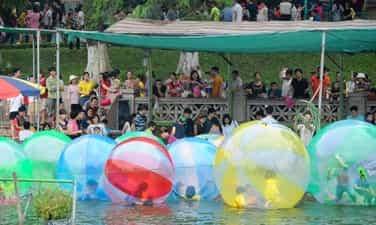
Thu Le Park - Green space in the heart of the Capital Located in Ngoc Khanh ward, Ba Dinh district, Hanoi, Thu Le Park is one of the oldest and most famous parks in the Capital. Completed in 1977 on an area of nearly 29 hectares, the park was built based on natural terrain with Linh Lang Lake over 8 hectares wide, low hills and a system of green trees, creating a fresh, peaceful space in the heart of the city. The highlight of Thu Le Park is the zoo with hundreds of individuals of many animal species such as tigers, leopards, lions, elephants, bears, deer, monkeys, gibbons and many rare birds and reptiles. This is not only a place to visit and entertain, but also contributes to educating visitors, especially children, about nature conservation and biodiversity. In addition to the zoo, the park also has a lake, entertainment area, outdoor stage, lawn and activities such as duck riding and water polo, providing relaxing experiences for the whole family. The green space and many amenities make this place a familiar picnic and resting spot for Hanoi people. Thu Le Park also has cultural and historical value when associated with Thu Le ancient village and Voi Phuc Temple - a temple worshiping Linh Lang Dai Vuong, one of Thang Long Tu Tran. The combination of natural landscape, historical value and fun activities has created a unique attraction for Thu Le Park, turning this place into an attractive destination of Hanoi Capital.
Hanoi
919 view








Nhat Tan tourist area
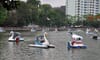
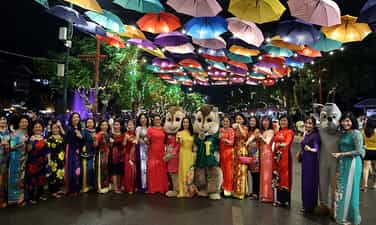
Nhat Tan tourist area - Green meeting place in the heart of Hanoi Located along West Lake and the Red River mudflats, Nhat Tan tourist area is one of Hanoi's outstanding ecological destinations, attracting a large number of tourists with its fresh space, many colorful flowers and diverse experiential activities. This is a suitable place for picnicking, taking photos, having fun and enjoying relaxing moments in nature. The highlight of the tourist area is West Lake Flower Valley, which gathers hundreds of flowers blooming all year round such as roses, mustard flowers, lotus flowers, sunflowers, chrysanthemums, violets... Each season has its own beauty, creating a poetic scene, becoming a check-in and wedding photography location loved by many tourists. Not far from the flower valley is the Red River Stone Beach Flower Garden, featuring the rustic beauty of riverside mudflats combined with colorful flower fields. Visitors can participate in many activities such as camping, dry tubing, horseback riding, visiting the rabbit farm or exploring the space of Nhat Tan ancient town. The combination of natural landscapes and play areas provides a suitable experience for families, groups of friends and children. Not only is it a weekend entertainment spot, Nhat Tan tourist area is also a place for visitors to find peace amid the rhythm of urban life. With scenery that changes with the seasons, wide open space and many beautiful photography angles, this place has become an attractive destination, contributing to the attraction of tourism in the Capital.
Hanoi
877 view







Vietnam Ornamental Botanical Park
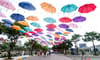
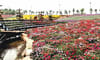
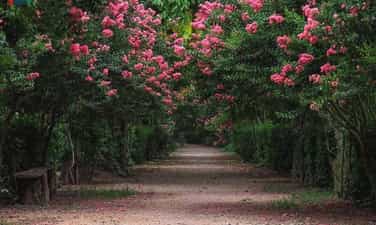
Vietnam Ornamental Botanical Park - "Green Oasis" in the heart of Hanoi About 10 km from the center of Hanoi, Vietnam Ornamental Botanical Park in Thanh Tri commune is an ideal destination for those who love nature and want to find a green space to relax. With a large area, the park gathers more than 2,000 species of flowers and plants from many regions across the country, creating a brilliant natural picture throughout the four seasons. This place stands out with a collection of hundreds of rose varieties, thousands of flower species, ornamental plants, climbing plants and tropical plants harmoniously planned in a cool green space. Each season, the park has its own beauty, especially the blooming wallflower season, attracting a large number of tourists and young people to visit and take photos. Not only is it a scenic spot, the park also has many experiential activities for families and children such as painting, making pottery, exploring green mazes and learning about the plant world. This is also a suitable place for those who love photography, studying bonsai and enjoying the fresh air. With green landscape, rich flora and many attractive activities, Vietnam Botanical Park is an ideal weekend picnic spot, giving visitors moments of relaxation and closeness to nature right in the heart of the Capital.
Hanoi
711 view








Yen So Park
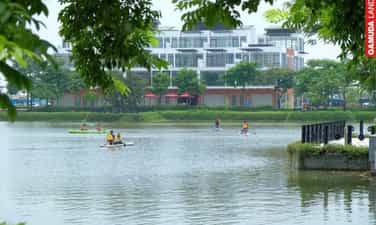
Yen So Park Located at the southern gateway of Hanoi, Yen So Park is the largest urban park in the city with an area of about 323 hectares. Opened in 2014, this place quickly became an attractive destination for residents and tourists thanks to its large green space, beautiful landscape and many outdoor entertainment activities. Yen So Park is considered the "green lung" of Hanoi because of its large system of trees, lakes and lawns. The fresh, quiet atmosphere and harmonious natural landscape make this place an ideal place to relax, temporarily away from the noise of the city. Tree-lined roads, wide lakes and lush green lawns create a peaceful scene, bringing a pleasant feeling to anyone who visits. Coming to Yen So Park, visitors can participate in many outdoor activities such as walking, jogging, cycling or boating on the lake. The spacious space is also very suitable for families to organize picnics on weekends. Large lawns are ideal places to camp, play, take photos or organize outdoor barbecues with friends and relatives. Not only serving entertainment needs, Yen So Park is also a location chosen by many agencies and businesses to organize team building programs. With a large area and many open spaces, the park is well suited for group exercise activities, team games and outdoor exchanges. These programs contribute to strengthening solidarity, teamwork skills and creating memorable experiences for participants. Besides its entertainment value, Yen So Park also plays an important role in improving the capital's living environment. The system of trees and lakes contributes to air conditioning, reducing pollution and creating valuable ecological space in the heart of the city. This is also where many people choose to exercise, enjoy nature and find balance after stressful hours of study and work. Today, Yen So Park is not only a modern urban park but also an attractive eco-tourism destination of Hanoi. With large green spaces, beautiful landscapes and many fun and relaxing activities suitable for all ages, this place has become a familiar place for the people of the Capital and a stop worth experiencing for tourists coming to Hanoi.
Hanoi
845 view






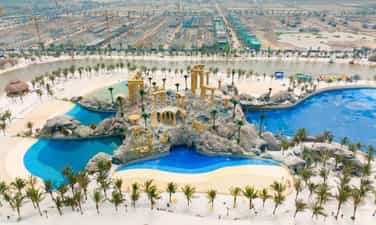
Vinhomes Ocean Park artificial lake
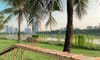
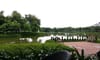
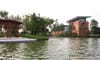
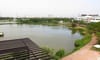
Vinhomes Ocean Park artificial lake Located in the East of Hanoi, Vinhomes Ocean Park artificial beach is one of the prominent entertainment and resort destinations, attracting a large number of tourists in recent years. With its large space, smooth white sand and clear blue water, this place feels like you are relaxing at a real beach, even though it is not far from the city center. The artificial beach was inaugurated at the end of 2019 and was built using modern technology from Crystal Lagoons - a world-famous unit in the field of developing artificial lakes and beaches. The project is planned on an area of more than 6 hectares with a large artificial saltwater sea, creating a unique highlight in the heart of the city. Sea water is treated with advanced technology, always maintaining its clarity, natural blue color and appropriate salinity, providing an experience almost like the real sea. The first impression when coming here is the long stretch of white sand transported from Nha Trang, combined with green coconut trees and rows of beach chairs, creating a tropical-style scene. The open space and meticulously cared for landscape make this an ideal place to relax, take photos and enjoy fresh air. Vinhomes Ocean Park artificial beach is not only attractive because of its landscape but also offers many rich entertainment activities. Visitors can walk on the sand, kayak, paddleboard, fish or participate in outdoor sports activities such as cycling, rollerblading and kite flying. Besides, the BBQ park area with many outdoor grilling spots is a suitable place for families and groups of friends to organize picnics, bond and enjoy relaxing time together. In addition to the artificial beach, visitors can also explore many other amenities in the urban area such as a large freshwater lake, green park and modern amusement parks. Clean, beautiful space, lots of green trees and a synchronous service system help Vinhomes Ocean Park become a suitable destination for both weekend fun and short breaks. Today, Vinhomes Ocean Park artificial beach has become a new symbol of tourism and entertainment in Hanoi. This is not only a place that brings the experience of "blue sea, white sand" in the heart of the city, but also contributes to improving the quality of living space and creating more attractive destinations for residents and tourists. With beautiful landscapes, many interesting activities and modern resort space, Vinhomes Ocean Park artificial beach is the ideal choice for those who want to enjoy relaxation without having to go far from the capital.
Hanoi
534 view








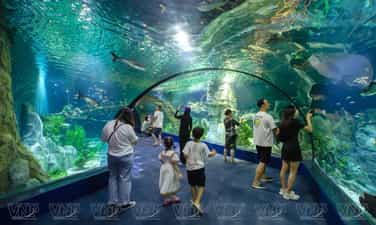
Lotte World Hanoi Aquarium
Lotte World Hanoi Aquarium Located in Lotte Mall Hanoi commercial center, at 272 Vo Chi Cong Street, Tay Ho District, Lotte World Hanoi Aquarium is one of the capital's prominent attractions and entertainment venues. With modern space and thousands of diverse marine creatures, this place gives visitors the opportunity to explore the ocean world right in the heart of the city. The aquarium is designed in an open space model with a large glass tank system, allowing visitors to observe marine life from many different angles. The interior space is divided into many areas simulating habitats from rivers, streams, mangrove forests to the deep ocean. Each area is meticulously invested, creating the feeling of entering a vivid journey of discovering the natural world. The first stop is the peaceful Village area, recreating the beauty of Vietnamese nature with lakes, terraced fields and tropical forests. Here, visitors can observe many typical freshwater fish species and participate in koi feeding activities, bringing an experience close to nature. Next is the Walking on the Sea area, which recreates the marine ecosystem with mangrove forests, coral reefs and many colorful marine species such as lionfish, bamboo sharks, sea anemones and many tropical fish species. The interactive lake allows visitors to have direct contact with some marine creatures, making the tour more lively and attractive, especially for children. The Blue Sea Discovery Area takes visitors into the mysterious space of the ocean with images of shipwrecks and rare marine species. Modern lighting and effects systems create a realistic feeling like diving under the sea. This is also an area loved by many tourists to take photos and explore the mysterious beauty of the ocean. One of the highlights of Lotte World Aquarium is Ocean Square, where there is a large central aquarium along with areas for penguins, sea lions and many unique animals. Sea lion shows and mermaid performances regularly take place here, providing exciting entertainment moments for both children and adults. Not only is it an entertainment destination, Lotte World Aquarium is also a place for learning and useful experiences. Through interactive activities and presentations about marine species, visitors have the opportunity to learn about the ocean ecosystem, raise awareness of environmental protection and preservation of marine resources. With modern space, many unique sightseeing areas and special performances, Lotte World Hanoi Aquarium has become an attractive destination for people and tourists coming to the Capital. This is not only a place to explore the magical beauty of the ocean but also an ideal place to have fun, relax and make memorable memories with family and friends.
Hanoi
691 view









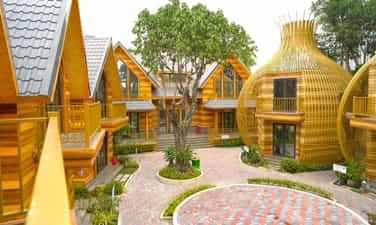
Bao Son Paradise Park
Bao Son Paradise Park Located on Le Trong Tan Street, An Khanh Commune, Hoai Duc District, Hanoi City, Bao Son Paradise Park is one of the large and modern general entertainment areas of the Capital. In operation since 2008, the park is an attractive destination for all ages, especially families, students and tourists who love fun activities, discoveries and experiences. Bao Son Paradise is built according to a model combining entertainment, culture and nature. With large space, many trees and buildings designed in harmony between traditional and modern architecture, this place gives visitors a feeling of both excitement and closeness. This is not only an amusement park but also an ideal place to relax, visit and learn about the cultural beauty of Vietnam. One of the most attractive features of Thien Duong Bao Son is its diverse game system. Visitors can experience many thrilling games such as roller coasters, free fall towers, canyoning or other sports games suitable for young people. For children, the park has its own play area with many safe, colorful games, creating a useful entertainment space for children. Besides modern games, the water park is a favorite destination for many tourists in the summer. This area includes many swimming pools and systems of slides, slides and attractive water games, suitable for both children and adults. Spacious space, clean water and many exciting activities make the water park an ideal place to cool off on hot days. Another outstanding attraction is the aquarium with hundreds of diverse marine species. Underwater tunnels and large glass tanks create the feeling of entering a colorful ocean world. In addition, visitors also have the opportunity to enjoy unique performances, contributing to making the tour more interesting. If you love nature, visitors should not miss the Safari complex. This is a semi-wild animal sanctuary, home to many species of animals, birds and reptiles. Here, visitors can observe animals up close, participate in feeding the animals and learn about their lives. Safari offers experiences close to nature, especially suitable for families with young children. In addition to fun activities, Thien Duong Bao Son also recreates many traditional Vietnamese craft villages such as pottery, weaving, folk paintings and hand embroidery. This area helps visitors better understand the beauty of national culture and traditional craft values preserved for many generations. Besides, Bay Cinema with modern technology brings a vivid experience, helping viewers discover the natural beauty and history of Vietnam with realistic effects. With a harmonious combination of entertainment, education and culture, Bao Son Paradise Park has become one of Hanoi's prominent tourist destinations. This is an ideal place to rest and have fun with family and friends, and brings many useful experiences to visitors on each visit.
Hanoi
774 view







Suoi Mo Ba Vi tourist area
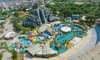
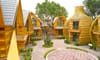
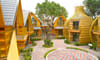
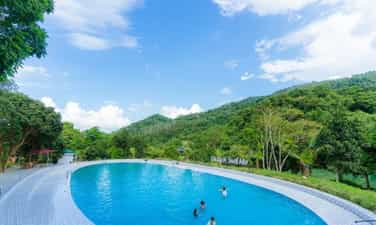
Suoi Mo Ba Vi tourist area - Attractive ecological destination amidst Ba Vi nature Located in Quyt hamlet, Ba Vi, Hanoi, Suoi Mo Ba Vi tourist area is an ideal destination for those who love nature and picnic activities. Possessing a cool green space, fresh natural streams and rich ecosystem, this place brings a relaxing atmosphere, suitable for weekend trips and short vacations. The highlight of Suoi Mo Ba Vi is the winding stream among the forest, combined with many entertainment, recreation and resort areas. Visitors can participate in activities such as bathing in streams, kayaking, fishing, camping, climbing or playing in the children's area. The tourist area also has a system of villas, stilt houses, and restaurants serving local dishes, meeting the rest and experience needs of tourists. From 2025, Suoi Mo Ba Vi will put into operation many new items such as colorful rainbow slides and water ziplines across the lake, bringing vibrant and attractive experiences to tourists who love to exercise and take check-in photos. With a cool climate all year round, fresh natural landscape and an increasingly perfect service system, Suoi Mo Ba Vi Tourist Area is a suitable choice for families, groups of friends and picnic groups who want to enjoy relaxing moments amidst Ba Vi nature.
Hanoi
634 view












Village In The Valley
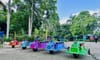
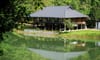
Village In The Valley Located in the middle of Phu Yen Binh valley, Yen Binh, Phu village, Yen Bai, Hanoi city, Trong Thung Village - Jacaranda Valley Ecofarm Ba Vi is an eco-tourism destination that provides a peaceful resort space amidst pure nature. Surrounded by mountains, bamboo forests and lush green gardens, this place is an ideal choice for tourists who want to temporarily escape the pace of urban life to immerse themselves in the pristine scenery of the Ba Vi semi-mountainous region. Unlike many modern resorts, Jacaranda Valley Ecofarm is developed according to an ecological farm model, focusing on preserving the natural landscape and a lifestyle close to the environment. Rustic wooden houses nestled among green trees, with quiet space and fresh air bring a feeling of relaxation, helping visitors fully enjoy the beauty of nature. Coming to Trong Thung Village, visitors have the opportunity to participate in many exciting experiential activities such as harvesting vegetables, picking seasonal fruits, learning about organic agriculture models, making herbal tea, making candles from natural ingredients or preparing local dishes with local people. Meals are prepared from clean ingredients right on the farm, contributing to creating a close and rustic experience. From the resort, visitors can also visit many famous tourist attractions of Ba Vi such as Ba Vi National Park, Vietnamese Ethnic Culture - Tourism Village, Khoang Xanh - Suoi Tien and enjoy local specialties such as hill chicken, stream fish, wild vegetables or Ba Vi fresh milk. With green space, sustainable eco-tourism model and many experiential activities close to nature, Trong Thung Village - Jacaranda Valley Ecofarm Ba Vi is a suitable destination for families, groups of friends and those who love to relax and explore farm life in the Ba Vi mountains.
Hanoi
787 view