Tourist destination
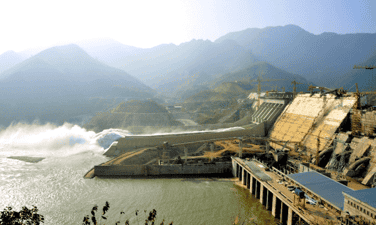
Son La hydroelectric lake
The Moc Chau journey to admire the wild and mysterious beauty of the Da River through the majestic Northwest is depicted extremely delicately with unique images and images that have made the Da River with its many rapids and many waterfalls become magically romantic. On that river, three large hydroelectric plants have now been built: Hoa Binh, Son La and Lai Chau. Built at the end of 2006, Son La Hydropower Plant has just put into operation unit 6, the last unit connected to the national power grid. Not only does it contribute more than 10 billion KW of electricity to the country each year, the landscape of Son La Hydroelectric Plant has become an interesting destination for all those who want to explore the magnificent natural landscape of the Northwest mountains and forests. Traveling from Son La city for more than an hour, passing through roads with vast mountains and forests on both sides, to It Ong commune, Muong La district, visitors will be overwhelmed by the endless green landscape of Son La Hydropower Lake. Floating clouds hover over the undulating, dark green mountains reflecting on the blue lake bed, making the landscape of Son La Hydropower Lake look like a charming landscape painting. Not as peaceful and quiet as Dai Lai Lake in Vinh Phuc or Ba Be Lake in Bac Kan, nor like Xuan Huong Lake in Da Lat, Son La Hydropower Lake stirs the soul of Travelers because the vast water flow between heaven and earth still contains so much wild beauty and the layers of rushing waves are like a steady, gentle music that resonates on the banks of a hundreds of meters high dam. In particular, visitors will be immersed in the vast space when traveling on a program boat in the lake to once again enjoy the pure beauty of the Northwest mountains and forests and the clear, cool air that nature has bestowed on this land. Visiting Son La Hydropower Lake, in addition to having the opportunity to admire the largest hydroelectric project in Southeast Asia and discover the mysteries of the legendary Da River, travelers can also enjoy culinary dishes with bold flavors of the Northwest mountains and forests such as: Can wine, bamboo-tube rice, grilled fish, wild bamboo shoots... Those flavors seem to spread by the red fire in the middle of the stilt house and seem to be sublimated around the red fire when visitors hold hands with the beautiful and graceful Thai mountain girls in dance. bustling dance stalls and the passionate lyrics "Inh la oh" with human love. Considered the Ha Long Bay of the Northwest, the Son La hydropower reservoir area has attracted many domestic and international tourists. Nature has bestowed this place with wonderful landscapes, attractive caves, and many large and small islands. Along with that are traditional customs and traditions preserved by indigenous peoples for many generations... With those potentials and advantages, Son La hydroelectric lake tourism is focusing on exploiting the main types of tourism: Sightseeing and experiential travel: Visit Pa Uon Bridge - the bridge that holds the Guinness record as the bridge with the highest bridge pillars in Vietnam. Experience water games (located under the bridge is the boat wharf, a complex of water entertainment services such as windsurfing, jet skiing, buoyancy...); Cruise on the lake to admire the immense beauty of the Da River lake bed. Along with that, visitors can visit Son La hydroelectric plant, the largest hydroelectric project in Southeast Asia. Son La Hydropower Plant was inaugurated on December 23, 2012, is a large hydroelectric project, demonstrating human talent in conquering and renovating nature to create a majestic hydroelectric plant in the Northwest region. Besides, hot mineral baths in It Ong town - Muong La, Luot village - Ngoc Chien - Muong La are also memorable experiences. Cultural and community tourism: Coming to the Son La hydropower reservoir area, visitors cannot miss the spiritual tourism journey of Nang Han and Linh Son Thuy Tu temples. These two temples are located on Pu Ngu hill in Muong Giang commune. From this location, visitors can admire the landscape of the hydroelectric lake and resettlement villages along the lake bed. In these places, tourists visit ethnic villages, stay in homestays, experience cultural life, traditional crafts such as brocade weaving, wickerwork, hat production, pipe lute production, leaf yeast wine making... and enjoy traditional dishes, ethnic specialties, especially dishes made from Da River fish. If you are planning to travel to Son La, don't forget to visit Son La hydroelectric lake - a great hydraulic project in the Northwest!
Son La
4050 view


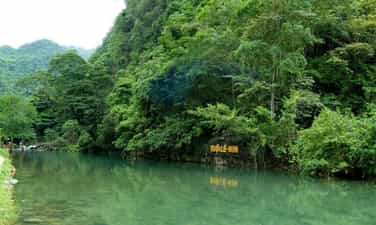
Pac Bo relic site
Pac Bo Cao Bang is located in the rocky mountains of Cao Bang, a wild and majestic land, but also picturesque and full of the color of history. This is where important historical events of the Vietnamese people during the resistance war against the US and France were associated. Pac Bo Cao Bang is famous for its beautiful waterfalls, clear streams, stretching primeval forests, rugged rocky mountains and rich and brilliant valley fields. The Pac Bo historical relic complex is located in Truong Ha commune, Cao Bang province. According to the Tay - Nung ethnic language, Pac Bo means "watershed". This is the place chosen by Uncle Ho as the revolutionary leadership base and is the place with an important mark in the nation's resistance war against the French and the Americans. Experiencing important milestones after all these years, this place still retains almost intact the evidence and imprints of the revolution and of President Ho. Pac Bo Cao Bang is covered with rugged mountains, beckoning waterfalls, and cool green bamboo groves throughout the sky. In addition to the beautiful scenery of the country, visitors can visit historical places such as Lenin stream, Karl Marx Mountain, President Ho Chi Minh memorial, Pac Po cave... Exploring the Pac Bo Cao Bang historical relic site, visitors will be immersed in the mysterious wild natural space and feel the historical and cultural values of this land. In the past, Lenin Stream was called Khuoi Giang stream by the villagers, which in the Tay language means heavenly stream, but in 1941, when Uncle Ho returned to the country and chose Pac Bo cave to live and work, he named this stream Lenin stream. Lenin Stream is located in the Pac Bo Cao Bang historical relic site, famous for its clear blue water that can be seen at the bottom like a mirror reflecting the great landscape of heaven and earth, creating a beautiful landscape. This destination is loved by many people because of its quiet space and poetic and lyrical scenery. There really is no beautiful word that can describe the beauty and purity of the Lenin stream. As history passes, this stream still retains its full beauty and increasingly attracts tourists because of the loving and graceful beauty of the water. Coming here, visitors will feel the place where Uncle Ho once lived, feel his warmth, and see the scenes that he was attached to during the resistance period. A destination not to be missed when coming to Pac Bo Cao Bang is Cac Mac Mountain. Along with the Lenin Stream, Karl Marx Mountain was also named by Uncle Ho. These are the names of the two thinkers who had the greatest influence on Uncle Ho's revolutionary career. Karl Marx Mountain has deep green forests with open terrain inside but is dangerous and secret outside. Perhaps because of such terrain, Uncle Ho chose it as a place for secret operations. Near the edge of Cac Mac mountain, along the Lenin stream, visitors will see the bamboo garden that Uncle Ho planted still exists. Everything seems to create a peaceful, poetic space for the place where Uncle Ho once stopped. Pac Bo Cave, also known as Coc Po Cave, is only about 15 square meters wide. It is where he lived and worked when he first returned to the country. This is a place that contains many of his imprints. In the cave, there is a wooden counter where Uncle Ho rested, a fire to warm himself, an unsteady stone table where people worked, or a stone made by Uncle Ho who often sat fishing next to the Lenin stream, a bamboo garden next to the cave that Uncle Ho personally planted... all are still there, and have become important historical markers of the Pac Bo historical site. Coming to the Pac Bo historical site, don't forget to visit Uncle Ho's temple located on Tieng Chit hill. The temple was built in May 2011 on the occasion of Uncle Ho's 121st birth anniversary. The temple was built in a stilt house style that is extremely close and familiar to the ethnic people here. This is not only a tourist destination for many domestic and foreign tourists, but also has historical and cultural value and shows respect and sacred affection for Uncle Ho - the man who devoted himself to the independence of the nation. Lan Khuoi Nam is about 1km from Pac Bo cave, this is where Uncle Ho stayed the longest in Pac Bo Cao Bang. The road to Lan Khuoi Nam is quite steep and winding at the foot of the mountain, but has now been repaired and paved with stones to make it easier to walk. Khuoi Nam shack was built near a stream, quite discreet and convenient for observation and retreat if there were enemies. The shack is quite small, only about 12m2, built in a simple and rustic stilt house style. Pac Bo Cao Bang is a charming place, every season has its own beauty. However, if you want to see the full beauty of this place, you should choose to come from October to May. At this time, the weather is cool, not too cold nor too hot, and the weather is dry and convenient for traveling on the bumpy mountain roads of Pac Bo. Coming to Pac Bo Cao Bang Relic Area, visitors will admire the remaining historical marks and learn about the meaning of historical relics here.
Cao Bang
4201 view


Ang village - Thai people's village
Coming to Ang village, Dong Sang commune, Son La province, visitors can immerse themselves in the poetic nature of endless mountains and forests, and immerse themselves in the traditional cultural flavors of the Thai ethnic people. The most interesting thing about ecotourism in Ang village is the pine forest next to the romantic lake, creating the peaceful landscape of a highland village. People compare Ang Lake to a mirror of the four seasons' weather. Early in the morning, the lake's surface is covered with a thin layer of pure dew. At noon, the sun is filled with a yellow color like the weather of summer, but when the afternoon falls, the fog comes back, making it chilly at the beginning of winter. The most beautiful are moonlit nights, pine shadows shine on the lake surface, the sound of pine trees ringing, echoing somewhere the flute calling for mates of ethnic boys. The stilt houses of the Thai ethnic people are hidden among the lush green trees. In any street of Dong Sang, tourists will love the simple and soulful people of Ang village. Here, many traditional customs and practices are preserved associated with stilt houses, inviting Xoe melodies, ancient folk songs, festivals "Celebrating new rice" "Het Cha... When banyan flowers bloom in the Northwest mountains and forests, Thai ethnic people organize the Het Cha festival. The "Het Cha" festival is a festival that unites the village community before spring, a form of spiritual cultural activity, profound beliefs. Come to the village. Ang, visitors can experience the daily life of living in a traditional stilt house, lying on rice cotton cushions, and enjoying Thai specialties. From mountain and forest products, Thai people in Ang village can prepare 40-50 different types of dishes. In the drunken spirit of jars of wine, tourists hold hands together, beside the flickering fire in the middle of the romantic forest lake. Ang village also attracts tourists with the Pieu scarf created by weaving colored threads on the surface of the fabric. The colorful threads are mixed together very harmoniously, although Thai girls have not studied at any school in shaping and color matching, the Pieu scarves they embroider are all very harmoniously decorated. Ang village today is changing its skin, more and more tourists from all over come to Ang village. With what nature bestows, from pine forests and lakes to the talent of the Thai people, it is promised that in the future Ang village tourist area will become more attractive, attracting more tourists.
Son La
3433 view


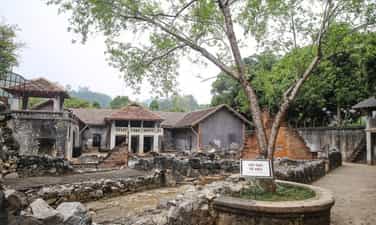
Son La Prison and To Hieu Peach Tree
Son La Prison was built by the French colonialists in 1908. It was once a place to detain more than 1,000 Vietnamese Communists and patriots. It is famous for its historic To Hieu Peach Tree. This is a great place to teach the younger generations of Vietnam about their sacrifices for the cause of national liberation. Join us to learn about this famous landmark! The prison was established in 1908 in the center of Son La town and on top of Khau Ca hill. Son La's terrifying reputation continued to spread and soon it was considered one of the most brutal prisons in Southeast Asia. Initially a small place, the prison quickly expanded to become an important place, where many political prisoners were held. At that time, this place was famous as a cruel and terrifying prison, where the will to resist and patriotism in the minds of prisoners were reduced by the bloodiest methods. However, for the revolutionaries imprisoned in Son La Prison, this place is a "school" where endurance, solidarity and fighting spirit are trained. Notable prisoners detained here include General Secretary Le Duan, famous revolutionary To Hieu (who died of tuberculosis during his imprisonment), and commander Van Tien Dung. There have been many stories about the resilience and courage of revolutionaries who fought against colonialism and sacrificed their lives here like To Hieu. Taking advantage of the harsh climate and rugged terrain, the French colonialists built Son La Prison and turned it into a "hell on earth" to detain Vietnamese communists and end their revolutionary struggle. In the summer, due to the influence of the Foehn wind, all the cells in the prison resemble a furnace. Meanwhile, winter is cold because of the harsh climate of the border area. However, regardless of the harsh climate and cruel regime, Vietnamese communists overcame all difficulties and turned the prison into a revolutionary school, where key party members of the Vietnamese revolution were trained. Son La Prison is an important revolutionary relic, demonstrating the boundless patriotism and steadfast will of the Vietnamese people. In 2014, the prison was recognized as a special national monument because of its great historical significance. Son La Prison was built by the French colonialists on Khau Ca hill, next to Nam La stream, Son La province. From here you can see the entire city of Son La. Construction of the prison began in 1908 on an area of 500 square meters. 32 years later, it was expanded to 1,700 square meters. The prison is surrounded by solid walls made of brick and stone, 4 meters high and 0.5 meters wide. The surface of the prisoner's bed is covered with cement; Meanwhile, its outer edge is attached to a leg shackle system. During 15 years, from 1930 to 1945, a total of 1,013 communist prisoners and soldiers were detained at Son La Prison, where many loyal soldiers and party members were trained to prepare for the general uprising of the August Revolution in 1945: General Secretary Truong Chinh, General Secretary Le Duan, Army Commander Van Tien Dung, Le Duc Tho, Le Thanh Nghi, Xuan Thuy, To Hieu, ….and the patriotic symbol of hero To Hieu are worth mentioning a few. Son La Prison was destroyed with explosives in 1952 as the French sought to eradicate the brutality and inhumane conditions that occurred there. This bombardment, along with other rounds of destruction during the war against America, left Son La Prison a smoldering pile of rubble. In 1965, under fierce American bombing in North Vietnam, Son La Prison was almost completely destroyed. Later it was restored by the Vietnamese to recreate history. Visiting Son La Prison, visitors will have the opportunity to see with their own eyes hundreds of historical artifacts such as handcuffs, iron chains, cells, and the To Hieu peach tree. Named after a brave and loyal communist, the To Hieu peach tree symbolizes the indomitable spirit of typical Vietnamese revolutionary soldiers. An important relic is the peach tree planted by To Hieu. During the last years of his life, he carefully cared for the tree and ensured that it would last long after he was gone. Today, the banyan tree is considered a symbol of the indomitable spirit of hero To Hieu despite his serious illness and pain in a cold prison. To this day, the To Hieu peach tree is still evergreen and blooms beautifully every spring. The prison is a famous historical site that attracts many domestic and international tourists. In particular, on special occasions, every day Son La Prison welcomes over 2,000 visitors to visit and review memories of a fierce revolutionary period. Visitors can explore the ramshackle gates and crumbling walls of Son La Prison when visiting the prison museum. You'll find lifelike oil paintings depicting the harsh treatment of prisoners, and you'll also be able to walk through the remaining basement area, where solitary confinement cells and tiger cages have been restored. Son La Prison and To Hieu Peach Tree are considered one of the most famous places, with the equally infamous name "Hell on Earth" to describe the horrifying brutality of the French colonialists against Vietnamese prisoners here. Son La Prison is an endless source of inspiration that empowers today's generations in the work of protecting the independence of the Fatherland and building a prosperous country.
Son La
3325 view


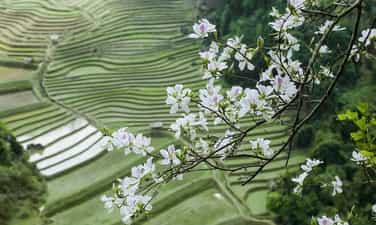
Ban flower field & Dien Bien Flower Festival
In March, when the spring breeze still lingers on the fields, Dien Bien again wears a pure white shirt of ban flowers, a typical flower of the Northwest mountains and forests. Dien Bien in the flower season is a destination that is both poetic and rich in history. March is the best time to see the flowers blooming. Between the clear blue sky and rolling mountains and forests, the white petals of banyan flowers spread across the passes and hillsides. Ban flowers are not only beautiful because of their pure color, but also carry a gentleness like the soul of Thai girls here. The Dien Bien Ban Flower Festival is organized to honor the beauty of the Ban flower - the symbol of the Northwest region, while contributing to preserving and promoting the traditional cultural values of the Thai ethnic people. The festival is also an opportunity to promote Dien Bien tourism, attracting domestic and foreign tourists to explore the natural scenery and unique cultural identity of the locality. Dien Bien Ban Flower Festival usually takes place in March every year, when ban flowers bloom throughout the Northwest mountains and forests, creating a poetic scene. This is the ideal time to honor Thai ethnic culture with many unique activities such as art performances, food fairs and folk games. March was chosen because this is the most beautiful flower season, associated with the traditions and beliefs of the Thai people, while also contributing to promoting tourism, attracting tourists to explore the beauty and identity of Dien Bien. Hoa Ban Festival is not only an opportunity to admire the brilliant beauty of the Northwest's symbolic flower but also brings many unique cultural activities. The ceremony in Hoa Ban Festival has a sacred meaning, expressing gratitude to ancestors and honoring national cultural identity. The ceremony in Dien Bien Hoa Ban festival cannot lack traditional Thai worship rituals, to honor ancestors and gods. This ritual is performed with respect, expressing the community's gratitude to the deceased and the supernatural forces that protect the land of Dien Bien. The Hoa Ban procession is one of the most unique activities of the Dien Bien Hoa Ban festival, imbued with the cultural and spiritual values of the people here. Ban flowers, a typical flower of the Northwest region, are considered a symbol of love and gratitude. The festival part of Hoa Ban Festival takes place vibrantly with many unique cultural, sports and artistic activities. Visitors will be immersed in the brilliant festival space, participate in folk games, enjoy local cuisine and enjoy the bustling atmosphere of the Northwest mountains. Folk art performance is one of the indispensable features at the Dien Bien Hoa Ban Festival. Hoa Ban Dien Bien Festival promises to bring visitors interesting experiences through unique sports competition activities. The Traditional Cuisine Contest at Hoa Ban Festival offers visitors a fascinating journey to discover the quintessence of Northwest cuisine. The Hoa Ban Flower Contest is one of the unique highlights of the Dien Bien Hoa Ban Festival, which honors the beauty of the face, intelligence and soul of Northwest girls. Hoa Ban Festival is not only an important cultural event but also an opportunity for visitors to explore the natural beauty and people of Dien Bien. With vibrant activities imbued with national identity, the festival promises to bring unforgettable experiences.
Dien Bien
2978 view


Dien Bien Phu Battlefield relic complex
The Dien Bien Phu Battlefield relic site includes 45 component relics. This is a historical space and also an outstanding tourism product, contributing to traditional education for the young generation, reminding Vietnamese people of the heroic memory of the Dien Bien Phu victory "famous in five continents, shaking the earth". This is also a way to mark the difference of tourism products of Dien Bien province with other provinces in the Northwest region. The Dien Bien Phu Victory relic complex includes items such as Him Lam hill, where the opening battle of the campaign occurred; Hill A1 where a very fierce battle took place, we and the enemy fought for every inch of land; Muong Thanh bridge, where our troops crossed to attack the last stronghold of the French enemy; Hill A1 Martyrs Cemetery, the resting place of the children who created the historical epic; Dien Bien Phu Museum with vivid images of ancient battlefields; hills D1, C1; artillery path; siege battlefield; The command bunker of the defeated general De Cat... All are gathered into a continuous cluster of relics like a picture evoking the scene of the miraculous people's war that is both vivid and profound... The relic complex is a glorious historical lesson saved by images of artifacts. Today, when mentioning the historic victory of Dien Bien Phu, domestic and international tourists all admire and wish to at least once visit, learn, research, and revisit the old battlefield. Dien Bien Phu Historical Victory Museum: located opposite the A1 martyrs cemetery, is where we and the enemy's artifacts from the historical Dien Bien Phu campaign are kept. Hill A1 relic is located east of the center of Dien Bien Phu stronghold group. This is a high point with the most important position in the system of 5 eastern hills protecting the center of Muong Thanh. Here, the enemy deployed many troops, strong firepower, and solid and solid fortifications. The attack on Hill A1 base was one of the most glorious battles of our army and people in the Dien Bien Phu campaign. General De Cat's command bunker was located in the center of the Dien Bien Phu basin. Surrounding the bunker were barbed wire fences and dense minefields. The four corners were four tanks and the west was a protective artillery barrage. The tunnel is 20m long and 8m wide, divided into four compartments, which are the working and resting rooms of the headquarters of the Dien Bien Phu base group. The victory monument is located on top of relic hill D1 located in the center of Dien Bien Phu city. The monument was inaugurated on the occasion of the 50th anniversary of the victory of Dien Bien Phu (May 7, 1954 - May 7, 2004). Him Lam Hill: Considered an important place responsible for protecting the central area, blocking the main road from Tuan Giao to Dien Bien. Independence Hill Relic: Located in the Northern subdivision of Dien Bien Phu stronghold group, now belongs to Thanh Nua commune, Dien Bien district. With the task of blocking the Lai Chau - Dien Bien road to prevent our soldiers' attack from the North and protect Muong Thanh airport. Artillery pulling route: This is an artillery pulling route that has entered into legend in the history of the Vietnamese people - the Vietnam People's Army. Muong Thanh Bridge: is a makeshift bridge across the Nam Rom River, built by the French after parachuting to occupy Dien Bien Phu. In the end, the bridge became a means of guiding the way for our soldiers to attack, planting the Decisive Victory flag on the roof of the bunker of defeated General De Cat. Dien Bien Phu Campaign Command Headquarters in Muong Phang: Many relics with typical historical value are still preserved here such as General Vo Nguyen Giap's bunker, Major General Hoang Van Thai's bunker, etc. Noong Nhai memorial stele: The relic is a place that deeply engraves the crimes of the French colonialists against our people, historical lessons about personality. The Dien Bien Phu Battlefield relic complex is a destination not to be missed to contribute to traditional education for the young generation, reminding Vietnamese people of the heroic memories of the Dien Bien Phu victory when traveling to Dien Bien!
Dien Bien
2924 view


Tac Tinh Waterfall
Known as one of the famous tourist destinations in Lai Chau, Tac Tinh waterfall always attracts many tourists from all over the country to come and admire. Let's explore this legendary waterfall with us. Tac Tinh Waterfall is also known as Tac Tinh Waterfall, people here still call it Tinh Waterfall for short. The waterfall is located in Binh Lu commune, about 27km from Lai Chau city center. Located in the middle of rolling mountains, the waterfall is like a beautiful young woman hiding behind the hands of majestic nature. From a distance, the waterfall appears like the hair of a beautiful, soft and gentle girl. These names are not simply to distinguish places, but also contain a sad story about the unfinished love of a Dao couple. In terms of scenery, Tac Tinh waterfall is no less beautiful than famous waterfalls such as Hang De Cho in Yen Bai, Phi Lieng waterfall in Lam Dong or Do Quyen waterfall in Thua Thien Hue. The waterfall is located at an altitude of about 1,400 meters above sea level. In the summer, the waterfall falls strongly from a height of more than 120 meters, creating a majestic, white column of water. The water from the waterfall then winds through the stone steps, creating many small, fresh and gentle streams. On days when the water is dry, the upper lake bed is quite large and can be bathed if you want to experience the feeling of immersing yourself in pristine nature. The legend of Tac Tinh waterfall is a sad love story that has been passed down through many generations in the Dao community in Si Thau Chai village. The story is about Lo Lan - a beautiful young woman, the daughter of a rich family, with a sweet voice that captivated the whole mountain and forest. Even though she was approached by many wealthy families, she still firmly refused. Her heart was devoted to the poor boy Ly Phan, who had the talent to play the flute and make the music fly far into the deep forest. The two of them were inseparable, singing together every day. The sound of the flute and singing blended together as if it could summon the soul of the mountains and forests. However, that love encountered prohibition. Ly Phan was forced to leave the village, leaving Lo Lan alone to wait. Each season of ban flowers passes, she still stands at the top of the mountain, looking forward to the silhouette of her past. But after waiting forever, Lo Lan gradually disappeared. The villagers said that she turned into stone, and the water pouring from above turned into her hair and tears, flowing endlessly. Later, Ly Phan returned and found the old waterfall. He stood next to the waterfall, playing the familiar flute again, like a passionate call to the girl he once loved. But I waited and waited but no one was seen. Gradually, the villagers no longer saw the boy's silhouette. Only the distant sound of the flute lingers amidst the sound of the waterfall. Since then, Tac Tinh waterfall has been mentioned as a symbol of faithful, unwavering love - a place where sincere feelings are never divided, whether by time or fate. To fully experience Tac Tinh waterfall, you should choose a suitable time for the purpose of your trip. The rainy season (May to September) is when the waterfall is at its peak of beauty, with strong flowing water, lush green trees, and cool air. In contrast, the dry season (October to April) offers dry, easier trails for trekking and exploring. The temperature in Lai Chau this season is quite pleasant, but you should still bring a light jacket. Not only famous for its pristine beauty and sad love story that touches people's hearts, Tac Tinh waterfall is also an ideal destination for those who love nature, experience and discovery. The area around Tac Tinh waterfall is a great place for you and your friends or family to camp, have a picnic and enjoy the fresh air. The space is covered by towering pine forests, creating a feeling of absolute coolness and relaxation. At night, the scene becomes even more magical with the whispering sounds of insects and the tent lights flickering in the mountain mist. One of the experiences most tourists love when coming to the waterfall is trekking through the forest. The trail leading down to the foot of the waterfall takes you through small slopes, shady forests and rocks covered with green moss. If weather conditions and water flow allow, you can completely experience the feeling of bathing in the cool water at the foot of the waterfall. Small lakes scattered at the foot of the waterfall are ideal places to relax, soak your feet or simply relax to the sound of the waterfall. Besides, take time to visit nearby Thai villages such as Sin Suoi Ho village, to enjoy local cuisine such as upland sticky rice or kitchen meat. Learning about brocade weaving or chatting with people will provide insight into Northwest culture. If you have time, explore Pu Dao Waterfall or Tan Uyen Tea Hill. Tac Tinh Waterfall is not just a destination, but a journey that takes you to the wild beauty and emotional cultural story of Lai Chau. Don't hesitate, make a plan and pack your suitcase to conquer Tac Tinh waterfall and discover more of the wonders of this land.
Lai Chau
3970 view


Ma Lu Thang border gate.
Ma Lu Thang border gate economic zone has a total area of 43 hectares, 50 km from Lai Chau city on National Highway 4D and National Highway 12, adjacent to Kim Thuy Ha border gate, Na Pha commune, Kim Binh district, Yunnan province, China. For every tourist who sets foot in Ma Lu Thang and admires milestone 66, there is a sacred feeling about national border sovereignty. That feeling is even more intense when they can hug the milestone with their arms and place the tip of their foot on the horizontal demarcation line on the surface of the Friendship Bridge. Ma Lu Thang border gate is the starting point of Highway 12, in Phong Tho commune, Lai Chau province, about 50 km from Lai Chau city. Ma Lu Thang is considered a spearhead to promote the district's economy. Ma Lu Thang is quite far from domestic economic centers, so goods can only be transported by road. When stepping through the arch of the gate covered with red brick, under the 7 yellow words "Vietnam's Ma Lu Thang Border Gate", everyone can feel the sacred meaning of national sovereignty. That feeling grew even more intense when I was able to stretch my arms around the landmark and place my toes on the horizontal boundary lines on the surface of the Friendship Bridge. Standing next to the bridge, reflecting on the Nam Na river, watching people from both sides go back and forth to buy, sell, and exchange goods, although not as bustling and vibrant as Lao Cai border gate or Tan Thanh border gate, one can still imagine the economic life of the people of a border area. In the Ma Lu Thang border gate area, next to the wide road at the foot of the mountain, there is a large poster erected. Next to the images of the national flags of Vietnam and China and portraits of President Ho Chi Minh and Chairman Mao Zedong, there is a bilingual slogan about the direction and principles in the Vietnam-China relationship: "Friendly neighbors, comprehensive cooperation, long-term stability, looking to the future". Implementing 3 documents on Vietnam - China border relations, Ma Lu Thang border gate border station together with Kim Thuy Ha border gate border station in Na Pha commune, Kim Binh district, Yunnan province of the other country organized bilateral patrols on the 13.5 km long border section from mark 65 (2) to mark 67 (2) to maintain security and order and protect the territorial sovereignty of each country. When traveling to Ma Lu Thang Border Gate, you should buy regional specialties such as grilled pork, guava seeds, Sung Phai corn wine, dried bamboo shoots, Son Mat Hong Sam tea, and brocade products. These are meaningful souvenirs and gifts, imbued with the typical flavor of Lai Chau. If you are looking to explore Lai Chau tourism, don't forget to visit Ma Lu Thang Border Gate to set foot on this border milestone!
Lai Chau
3572 view


Tam Duong terraced fields
Terraced fields in the Northwest mountains have long become a symbol of creativity in highland agriculture. Especially in Lai Chau, this is an ideal destination for tourists passionate about wild and idyllic beauty. With existing potential and strengths, along with increasingly promoted tourism promotion activities, Lai Chau is making efforts to promote the image of terraced fields to domestic and international tourists. The process of creating and caring for rice fields requires diligence and experience. People start planting rice in May when water pours into the fields, then take care of it until the rice is ripe in September and October. When visiting Than Uyen commune - Lai Chau, visitors cannot miss the terraced rice fields in Ta Mung commune, with a total area of nearly 200 hectares, which is known as the vivid natural picture of Lai Chau. Terraced fields in Than Uyen were built based on the ingenuity of ethnic minorities, to take advantage of the steep mountain terrain to cultivate wet rice. Rice fields in Than Uyen commune, Lai Chau are also very famous with more than 2,000 hectares of rice area, which is considered one of the four largest rice granaries in the Northwest region, bringing majestic beauty and richness during the ripe rice season. In Muong Te district, visitors will have the opportunity to admire the terraced fields lying on the mountainside on the journey to the border commune of Thu Lum. In addition, Tam Duong also owns a beautiful terraced rice field in Ta Leng commune, spanning over 400 hectares, an ideal destination for those who want to immerse themselves in the peaceful space of nature. Besides, visitors coming here can immerse themselves in the lifestyle of the people, participate in agricultural activities and enjoy typical dishes of the Northwest mountains, making an important contribution to promoting the sustainable development of the local tourism industry. Not only that, Lai Chau is also blessed with majestic landscapes (6/10 highest mountain peaks in Vietnam), fresh and cool climate with mountain passes, hydroelectric reservoirs and many famous landscapes. When visiting terraced fields, visitors can learn and discover many other unique features. For example, coming to Ta Mung (Than Uyen district), visitors not only get to admire the beautiful scenery from the fields but also have the opportunity to experience the unique features of the Nam Pat market - a market imbued with the cultural identity of the Mong people. On the way back to Than Uyen town, visitors can combine sightseeing and rest, enjoy cuisine on a cruise at the hydroelectric lake or participate in the Zipline game on the Huoi Quang hydroelectric lake. Coming to districts: Tam Duong, Phong Tho, Muong Te, tourists have the opportunity to visit famous community tourism villages such as Tham village (Ban Hon commune), Vang Pheo village (Muong So commune), Sin Suoi Ho village (Sin Suoi Ho commune). In addition, visitors also have the opportunity to bathe in Vang Po hot spring (Phong Tho town), visit Ma Lu Thang border gate economic zone... Tam Duong Lai Chau terraced fields is one of the unique destinations of Than Uyen, with breathtakingly beautiful scenery and a market imbued with highland culture, promising to bring beautiful memories in visitors' journeys throughout the Northwest. If you have the opportunity to go to Lai Chau, remember to visit Tam Duong terraced fields to admire the simple and wild beauty of the pouring water season and the ripening rice season of the terraced fields here!
Lai Chau
3480 view


Na Dang Waterfall eco-tourism area
Explore Na Dang Waterfall - one of the wild and majestic destinations in Thai Nguyen. With pristine natural beauty, powerful waterfalls and quiet forest and mountain spaces, this is an ideal location for those who love to travel and explore. Self-sufficient - one of the wild and majestic destinations in Thai Nguyen. Na Dang Thai Nguyen Waterfall, nestled among majestic mountains and forests, is an ideal destination for those who love nature tourism and exploring the highlands. Na Dang Waterfall not only stands out with its wild beauty, but also contains wonderful secrets that nature bestows. In particular, this waterfall is located at the foot of the wind pass, one of the most beautiful roads in the Northern mountains. With a space covered by primeval forests, diverse flora and fauna and a rich ecosystem, Na Dang Waterfall is like a precious gem among Thai Nguyen nature. Water flows from three large streams and a small stream, combining to create a powerful waterfall, rolling over large rocks. The sound of rushing water makes the space more mysterious and refreshing. The majestic beauty of Na Dang Waterfall not only attracts tourists but is also an inspiration for those who love taking photos and exploring nature. At Na Dang Thai Nguyen Waterfall, visitors will participate in special experiences that bring a sense of adventure and a deep connection with nature. Here are some activities not to be missed: Trekking and Hiking: One of the activities not to be missed when coming to Na Dang Waterfall in Thai Nguyen on your own is trekking. The trekking routes here are designed to suit all levels of travelers, from easy trails to rugged paths, suitable for those who love challenges. Walking along the streams, you will have the opportunity to admire the wild and majestic beauty of the mountains and forests, the vast primeval forests, and the clear Son My Lake in the middle of the green forest. Cave exploration: Na Dang Waterfall is also attractive with interesting caves. Son My Cave is one of the interesting places, with a beautiful cave system and natural underground streams. Exploring these caves will take you to mysterious worlds, where the wild beauty of limestone rocks, stalagmites and cool water always create new and interesting things for the trip. Buckwheat flower carpet: In the fall, Na Dang Waterfall is covered with a brilliant purple buckwheat flower carpet. This is the most beautiful season for visitors to immerse themselves in nature and admire the romantic purple flower hills. The delicate flower petals and quiet space of the area will make you feel relaxed and gentle. Camping and picnic: There is nothing better than camping on the banks of a stream, enjoying the fresh air of the mountains and forests and the sound of running water. The camping areas at Na Dang Waterfall are arranged reasonably, ensuring full basic amenities for visitors. This is a great opportunity for you to immerse yourself in nature and organize an interesting picnic with family and friends. Na Dang Waterfall is located in the mountains, so the weather is quite cold in winter and cool in summer. The ideal time to visit Na Dang Waterfall is in the summer, when the climate is pleasant and tourist activities such as trekking, waterfall bathing, and photography can be done easily. However, visitors need to pay attention to moving safely on steep mountain passes when coming here. When coming to Thai Nguyen, in addition to the wonderful natural scenery, the cuisine here is also an attractive attraction for tourists. Below are 3 typical dishes that you cannot miss on your self-sufficient journey to explore Thai Nguyen cuisine: Com Lam; Pork guarding the kitchen; Coroc Mo cake... Na Dang Waterfall in Thai Nguyen is an ideal place for those who want to experience nature tourism and explore the wild beauty of the northern mountainous highlands. With majestic waterfalls, lush primeval forests, mysterious caves, and diverse tourism activities, Na Dang Waterfall will definitely bring you unforgettable experiences.
Thai Nguyen
3228 view


