Relic point Vietnam
Việt Nam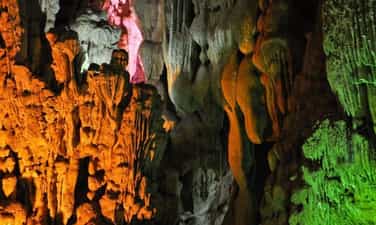
Hang Luồn
Hang Luồn, còn gọi là hang Trinh Nữ, nằm trong dãy núi Đầm Khánh bên dòng sông Bôi, thuộc khu vực Lạc Thủy, tỉnh Phú Thọ. Đây là một danh lam thắng cảnh nổi bật với địa thế độc đáo: hang xuyên qua lòng núi, có hai cửa thông nhau, tạo nên cảnh quan sông nước và núi đá hài hòa, thơ mộng. Hang có chiều dài hơn 1,1 km, lòng rộng từ 8 đến 12 m, vòm cao khoảng 3 đến 10 m. Từ cửa hang, những rèm nhũ đá mang dấu ấn thời gian mở ra một không gian kỳ thú. Càng đi sâu, các khối thạch nhũ càng phong phú với nhiều hình dáng độc đáo, từ những dải đá mềm mại như rèm hoa đến các cột đá, măng đá và những mảng nhũ nối liền từ vách lên trần. Điểm đặc biệt của Hang Luồn là dòng nước len lỏi xuyên qua lòng núi. Có đoạn mặt nước hẹp như dòng suối, có nơi lại mở rộng, phản chiếu những khối nhũ đá trên vòm hang. Không gian bên trong luôn mát mẻ, cùng tiếng nước nhỏ giọt hòa với vẻ tĩnh lặng tạo nên một khung cảnh vừa kỳ bí vừa nên thơ. Với vẻ đẹp tự nhiên độc đáo và giá trị cảnh quan nổi bật, Hang Luồn được xếp hạng danh lam thắng cảnh cấp quốc gia. Di tích là một điểm nhấn trong hệ thống thắng cảnh của vùng Lạc Thủy, góp phần tạo nên sức hấp dẫn của miền núi đá vôi bên dòng sông Bôi. Nguồn: Cục Du lịch Quốc gia Việt Nam
Phu Tho
21 view
Rating : Di tích cấp quốc gia
Dong Thot Cave archaeological site
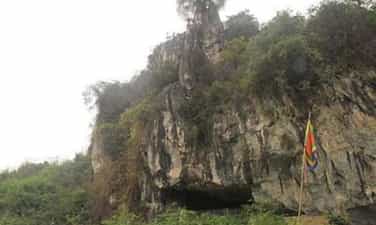
Dong Thot Cave Archaeological Site – Traces of Hoa Binh Culture. Located on a limestone massif in Thanh Ha commune, Phu Tho province, Dong Thot Cave is an archaeological site of special value in the study of Hoa Binh Culture. The cave has a wide, high, and airy entrance, facing a relatively flat valley, favorable for prehistoric inhabitants to live in. Surveys and excavations at Dong Thot Cave have uncovered a fairly thick cultural layer, in some places up to 4.5 meters, containing many freshwater clam and snail shells along with traces of prehistoric life. In particular, hundreds of stone tools were found here, mostly made from pebbles using the characteristic chipping and shaping techniques of Hoa Binh Culture. Among them are almond-shaped tools, disc-shaped tools, and many chipped fragments. These discovered artifacts help archaeologists better visualize the life, methods of earning a living, and tool-making techniques of prehistoric inhabitants. The thick layer of clam and snail shells in the cultural strata also indicates an important food source for the people who once inhabited the cave. With its outstanding scientific and historical value, Dong Thot Cave was classified as a national archaeological site in 2003. Today, the site is a valuable source of information contributing to clarifying the history of prehistoric human habitation and the rich values of the Hoa Binh Culture. Source: Management Board of Historical Sites in An Nghia Commune, Phu Tho Province
Phu Tho
23 view
Rating : National Monument
Dinh Ha Mao
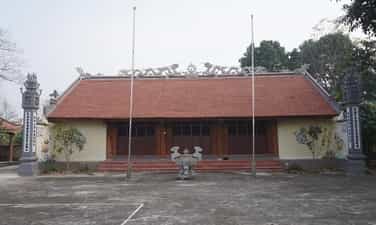
Ha Mao Temple – A Landmark of Nguyen Dynasty Architectural Art. Located in Zone 2, Au Co Ward, Phu Tho Province, along the Thao River, Ha Mao Temple dates back to the 19th century and has undergone several restorations. According to local records, the temple is dedicated to Hung Anh, a figure associated with the Hung King era and credited with water management. The temple is built in the shape of the Vietnamese character "Đinh," consisting of a main hall and a rear sanctuary. The structure is made of ironwood, with a tiled roof and a robust system of columns and trusses. The most distinctive feature lies in the wood carvings depicting dragons, lotuses, turtles, phoenixes, clouds, and waves. Dragon imagery appears throughout the carvings, from the corbels and beams to the brackets and archways, creating a majestic yet lively appearance. Particularly noteworthy are the brackets depicting a mother dragon and her offspring amidst clouds and water, combined with lotus and turtle imagery, representing the concept of fertility and continuity. The inner palace still preserves the ornate archway carved with "Two Dragons Worshipping the Moon" and "Dragons and Clouds Meeting," possessing high artistic value. Source: Phu Tho Province Tourism Guide website.
Phu Tho
45 view
Rating : National Monument
Dong Son Temple
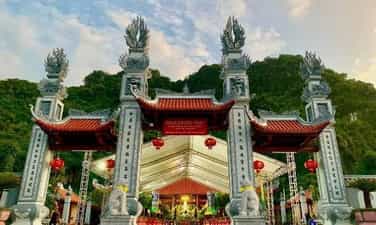
Dong Son Temple is located in Zone 3, Cao Phong Commune, Phu Tho Province, within the Dau Rong Mountain complex. Along with Bong Lai Temple and the Dau Rong Mountain complex, the site was classified as a National Historical and Scenic Site in 2012. The temple is dedicated to the Second Lord of Muong, Thien Su La Binh Cong Chua, a Holy Mother associated with the mountains, forests, and spiritual life of the Muong people. According to folk beliefs, she is revered as the deity who governs the mountainous region, protecting the people, ensuring peace and prosperity, and safeguarding community life. The temple was restored in 2019 on an area of nearly 11,000 m², comprising solemn worship spaces. In particular, the altar dedicated to the Four Ancestral Clans of Muong clearly reflects the local culture, linked to the belief in commemorating those considered the founding ancestors of the Muong people. Every year, on the 12th day of the 9th lunar month, Dong Son Temple holds the Lady's Feast, attracting locals and tourists to offer incense. With its blend of mountainous landscapes, the worship of the Mother Goddess, and Muong culture, Dong Son Temple is a quintessential cultural and spiritual destination in the Cao Phong region. Source: Phu Tho Newspaper
Phu Tho
53 view
Rating : National Monument
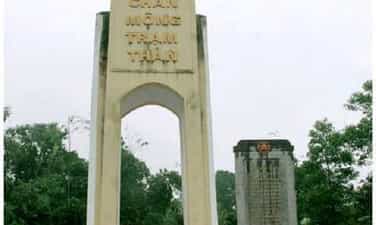
The Chân Mộng – Trạm Thản Victory Monument
The Chân Mộng – Trạm Thản Victory Monument, located in Trạm Thản commune, Phú Thọ province, commemorates the ambush of French troops on November 17, 1952, during the resistance war against French colonialism. The monument includes sites associated with the victory, including the Chân Mộng – Trạm Thản Victory Monument and the Chân Mộng – Trạm Thản Campaign Martyrs' Cemetery. In late 1952, the French colonialists launched Operation Loren to find and destroy our main forces and exert pressure in the Phú Thọ area. Knowing the enemy's retreat route, the main army units, in coordination with local armed forces, organized an ambush in the Chân Mộng – Trạm Thản area. The Chân Mộng – Trạm Thản victory contributed to the failure of Operation Loren in Phú Thọ and demonstrated the effectiveness of ambush organization and coordination between the main army units and local armed forces. Today, the Chân Mộng – Trạm Thản Campaign Martyrs' Cemetery and Historical Site serves as a place for revolutionary tradition education, commemorating the martyrs who fought and sacrificed their lives in the resistance war against French colonialism. The site helps visitors and younger generations learn about an important milestone in the history of the struggle of the army and people of Phú Thọ. Source: Phú Thọ Provincial Electronic Information Portal
Phu Tho
78 view
Rating : National Monument
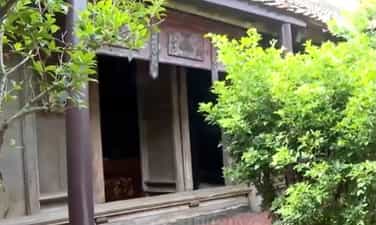
Temple of Words
The Lời Temple is located in Vĩnh Lại area, Bản Nguyên commune, Phú Thọ province, right on the left bank of the historic Thao River. For centuries, this ancient temple has been a solid spiritual anchor and a great source of pride in the cultural life of the people of the ancestral land. The temple dates back to the Later Lê Dynasty (17th century), closely associated with the process of settlement, village development, and border defense. It is a place of worship for Tản Viên Sơn Thánh (Sơn Tinh) – the leading saint in the "Four Immortals" of Vietnamese mythology, along with generals from the Hùng Vương era who contributed to flood control and defense against foreign invaders. Architecturally, the temple features the ancient characteristics of the Northern Delta region with its large wooden columns, moss-covered dragon-scale tiled roofs, and exquisitely carved patterns. The temple's space harmoniously combines traditional architectural and artistic values with a pristine natural landscape, surrounded by ancient, tranquil, and sacred trees. Every year, the temple holds traditional ceremonies, including the main sacrificial ceremony on the 15th day of the 2nd lunar month, praying for national peace and prosperity, favorable weather, bountiful harvests, and a peaceful and prosperous life. These ceremonies contribute to maintaining religious life, strengthening community bonds and traditional customs, and showcasing the unique aspects of the cultural life and the principle of "drinking water, remembering the source" of the people in the Hung Kings' ancestral land. Source: Compiled from the Electronic Information Portal of the People's Committee of Ban Nguyen Commune.
Phu Tho
84 view
Rating : National Monument
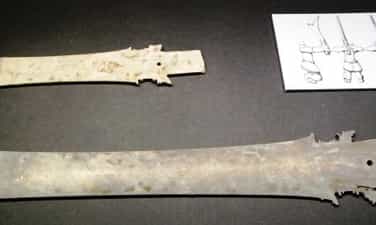
Xóm Rền Archaeological Site
The Xóm Rền archaeological site, located in Gia Thanh commune, Phù Ninh district, Phú Thọ province, is an important site for studying the Phùng Nguyên culture, dating back approximately 3,500–4,000 years. The site became known to archaeologists in 1968 and has undergone numerous excavations, uncovering a large number of artifacts reflecting the life of ancient inhabitants. The artifacts found at Xóm Rền are quite diverse, including production tools, weapons, jewelry, and household items made of stone and pottery. Of particular note is the ceremonial scepter – a rare and valuable artifact of the Phùng Nguyên culture. Excavations have also uncovered ancient tombs, some containing human remains, providing valuable data for anthropological and demographic studies of this period. The findings at Xóm Rền contribute to clarifying the material and technical life of the Phùng Nguyên inhabitants, while also supplementing documentation on the early period of the Metal Age and the formation of the culture during the Hùng Vương era. With its exceptional archaeological value, Xóm Rền is a suitable destination for those exploring the history, archaeology, and cultural origins of Phú Thọ province. Source: Nhân Dân Newspaper
Phu Tho
124 view
Rating : National Monument

Tam Giang Temple
Tam Giang Temple, now located in Bach Hac ward, Phu Tho province, at the confluence of the Lo, Hong, and Da rivers, is one of the typical historical and cultural relics of the Bach Hac region. According to legend, the temple has a history of about 1,300 years, associated with the worship of the Earth God Bach Hac Dai Vuong and the Holy Mother Duc Sinh Quach A Nuong. The temple is also associated with Tran Nhat Duat, a general of the Tran dynasty who came here to perform rituals before going into battle against the Mongol army. After his victory, he returned to give thanks and had the temple renovated and a bell cast as a donation. The temple currently worships three deities: the Great Holy God Bach Hac Dai Vuong, the Holy Mother Quach A Nuong, and the Second Holy God Tran Nhat Duat. The site has received numerous royal decrees from various dynasties and was recognized as a national historical and cultural relic in 2010. Annually, the temple holds major festivals in the 3rd and 9th lunar months with many rituals, folk games, and boat races on the Lo River, recalling the Tran Dynasty's tradition of naval training at Bach Hac. With its unique historical, cultural, and religious value, Tam Giang Temple is a typical destination in the journey to explore the land at the confluence of three rivers and the cultural roots of Phu Tho. Source: Phu Tho Newspaper and Radio & Television
Phu Tho
163 view
Rating : National Monument
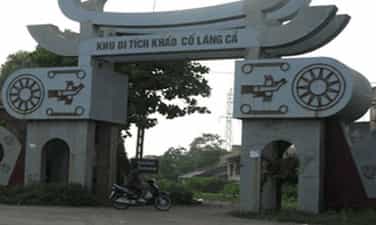
Archaeological site of Lang Ca
Lang Ca archaeological site is located on Nhan Hill, Tho Son ward, Viet Tri city, Phu Tho province. This is one of the most typical archaeological relics of Dong Son culture, associated with the formation and development process of ancient Vietnamese residents in the ancestral land. Through many excavations, archaeologists have discovered 336 burial tombs, including 328 tombs belonging to the Dong Son culture, along with many traces of residence. A series of bronze, stone and ceramic artifacts were found such as axes, spears, daggers, jars, bells, bronze drums, molds and jewelry, showing that this place was once an important economic and cultural center for residents during the country's founding period. Research shows that the Lang Ca residence dates back to around the V–IV centuries BC, equivalent to the Hung King era; The burial site continued to exist for many centuries afterward. The findings here are a valuable source of data for studying the Hung King era and the Van Lang state. With special historical and archaeological value, Lang Ca was ranked as a national archaeological relic in 2006. Source: Phu Tho Newspaper
Phu Tho
196 view
Rating : National monument
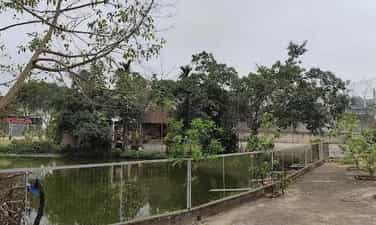
Dinh Huong Tram
Huong Tram communal house is located in Du Lau ward, Viet Tri city, Phu Tho province, and is one of the ancient communal houses associated with the ancient land of Van Lang. The communal house worships King Quy Minh, Queen Mother Thanh Phi and Princess Can Nuong Bao Hoa - figures who have been worshiped since the time of Hung King. According to the family tree, the communal house was built in 1572, during the Later Le Dynasty. The building has the architecture of the word "Dinh", including a communal house and a harem, featuring a system of wooden columns and carvings bearing the artistic mark of the Le and Nguyen dynasties. Every year, the Huong Tram communal house festival takes place on the 5th and 6th of January, with palanquin procession ceremonies, Xoan singing, silk house singing and many folk games, attracting a large number of people and tourists. With unique historical, cultural and architectural artistic values, Huong Tram Communal House was ranked a National Historical Site in 2004, contributing to enriching the heritage system associated with the Hung King era in Viet Tri land. Source: Phu Tho Newspaper and Radio and Television
Phu Tho
211 view
Rating : National monument