
 vn
vn en
en ja
ja ko
ko zh
zh


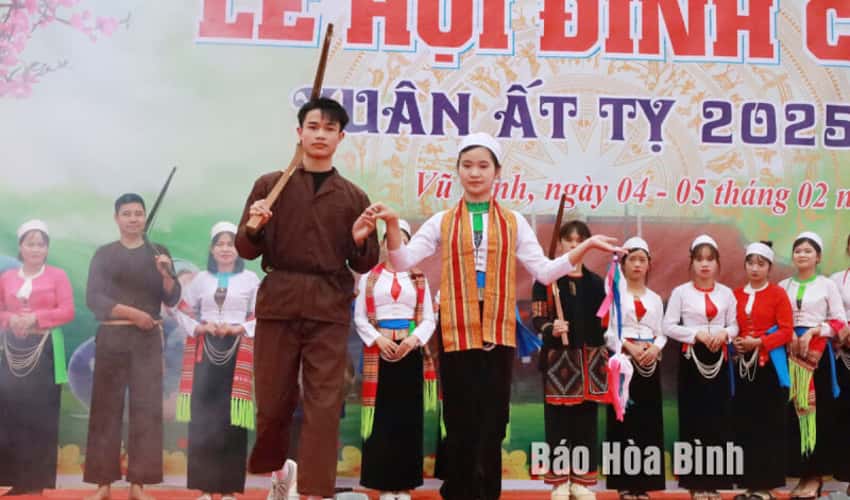



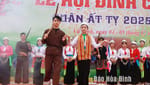
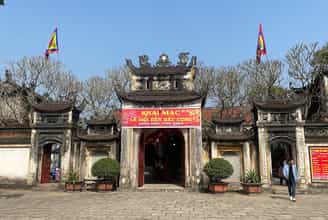
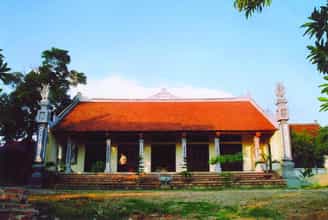
Dinh Coi blessing festival of Muong ethnic group in Hoa Binh When talking about ethnic culture in Hoa Binh province, we must first talk about the culture of the Muong ethnic group. Due to historical characteristics and geographical location, the Muong people still preserve many traditional cultural values. Most Muong people still live in stilt houses, drink wine and have many community cultural activities on stilts. The family's moral tradition retains the beautiful features: love for children, respect for the elderly, and hospitality. Not only that, the Muong people here still retain their traditional festivals: Xec Bua Spring Festival, Down to the Field Festival, Ghost Praying Festival, Rice Leaf Washing Ceremony, Com Moi Ceremony... Among the festivals, the Dinh Coi Festival is indispensable. On the 7th day of the first lunar month according to the Muong calendar (ie the 8th day of the first month of the lunar calendar every year), the people of Binh Chan commune in Lac Son district celebrate the Dinh Coi festival. People here no longer remember when the Dinh Coi festival began, they only heard stories from the old people in the village. At that time, Mother was the Mother of the Nation and the kings often came here to teach people how to farm, clear fields, plant rice, grow cotton and weave cloth. Remembering the merits and teachings of the Mother Goddess and the kings, the people in the area built a temple. Dinh Coi Festival started from there and has been maintained for many generations, now becoming an indispensable traditional cultural feature in the daily life of Muong people. The festival begins with a drum beat to signal Muong descendants to gather at the village communal house. The first ceremony is a palanquin procession, with a shaman leading the ceremony, followed by a procession of palanquins, festival flags, a group of storks carrying flutes, a group of rowing dancers and a group of amulets. They all dressed according to ancient customs. When the shaman holds a ceremony to invite the gods to attend the festival, it is also the time when the Cheo dance troupe begins to perform. The special thing is that the rowing dancers must be boys from Canh hamlet. Because according to the old story, the buffalo herding children in Canh hamlet met Quoc Mau and her two daughters, the youngest king and the eldest king, from Ba Vi. When they arrived at Kham Mu field, Binh Chan commune, it was noon, and the mother and daughter sat down to rest and eat a packed meal. Seeing the buffalo children of Canh village divided into two sides to play games, Quoc Mau and the kings turned into beggars and participated in a dance. That dance is called Cheo dance, and Coi villagers often recreate it at annual festivals, reflecting on the process of agricultural production, marriage and family, and teaching the world about human ethics. In the offering tray to the gods (Quoc Mau Hoang Ba, the king and the village Thanh Hoang), in addition to products such as white sticky rice, buffalo meat, wine, there are also vegetarian dishes such as boiled bananas, boiled papaya, sugar cane and cakes... In the "Ceremony" part, the festival opens jubilantly and bustlingly, typified by primitive dance performances, depicting the joyful and optimistic daily life of the Muong people. In the bustling sound of the gong song "White cotton, yellow flower" in harmony with the orchestra of seong tien, drums, and drums; The dances of catching frogs, whipping spears, threading silkworms, planting trees, pulling money and chipping faces... are performed one after another. The festival not only has the traditional meaning of "drinking water, remember the source", but is also an opportunity to pray for good luck and a good harvest "to grow corn with big ears; grow rice with long panicles and firm grains; Raising a baby, the baby will grow quickly; Children and grandchildren are healthy and progress in education; When meeting friends on the street, you are always gentle; find peace on the road...
From 23/02/2026 - 24/02/2026



 AI Travelviet