Relic point Vietnam
Việt Nam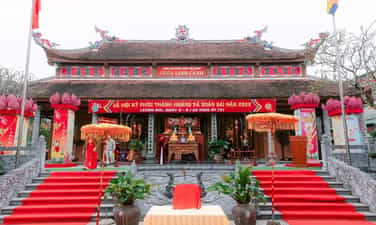
Chùa Linh Cảnh
Nằm tại xã Lam Sơn, tỉnh Thanh Hóa, chùa Linh Cảnh, còn gọi là chùa Bái, là một điểm sinh hoạt văn hóa, tín ngưỡng lâu đời của người dân địa phương. Chùa tọa lạc trên vùng đất giàu truyền thống lịch sử, cách Khu di tích quốc gia đặc biệt Lam Kinh không xa, gắn với không gian văn hóa của vùng đất phát tích vương triều Hậu Lê. Theo tư liệu hiện có, chưa xác định chính xác niên đại khởi dựng chùa. Tương truyền, ban đầu chùa là một ngôi chùa làng nhỏ dưới gốc đa cổ thụ. Đến năm 1937, chùa được nhân dân và Phật tử công đức trùng tu với quy mô lớn hơn. Sau những biến động của chiến tranh và nhiều lần tu bổ, năm 1996 chùa tiếp tục được tôn tạo trên nền cũ. Ngày nay, chùa có không gian khang trang với cổng tam quan, sân chùa rộng, chùa chính gồm tiền đường và thượng điện. Di tích vẫn lưu giữ một số dấu tích, hiện vật có giá trị như bia đá, tam bảo và chuông. Đây cũng là nơi diễn ra các hoạt động Phật giáo, sinh hoạt tín ngưỡng và lễ hội truyền thống của cộng đồng địa phương. Đặc biệt, vào đầu xuân, người dân và du khách tìm về chùa dâng hương, lễ Phật, cầu bình an và tham gia lễ hội kỳ phúc với các nghi lễ rước kiệu, tế lễ cùng nhiều hoạt động văn hóa, thể thao dân gian. Với không gian thanh tịnh và chiều sâu văn hóa, chùa Linh Cảnh góp phần tạo nên điểm nhấn tâm linh trong hành trình khám phá vùng đất Lam Sơn. Nguồn: Trung tâm cung ứng dịch vụ công xã Lam Sơn
Thanh Hoa
98 view
Rating : Di tích cấp tỉnh
Đền làng Bái Thượng
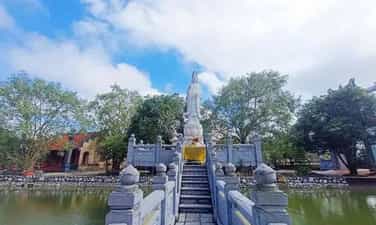
Nằm tại thôn Bái Thượng, xã Thụy Anh, tỉnh Hưng Yên, đền làng Bái Thượng, tên chữ Thiên Hậu từ, là một điểm sinh hoạt tín ngưỡng lâu đời trong quần thể đình, đền, chùa, miếu của làng. Di tích gắn với tín ngưỡng thờ Đại Càn Quốc gia Nam Hải Tứ Vị Thánh Nương, một tín ngưỡng dân gian được lưu truyền ở nhiều vùng ven biển và cửa sông Việt Nam. Theo truyền thuyết, Tứ Vị Thánh Nương là các cung phi, công chúa nhà Tống gặp nạn trên biển rồi hiển linh tại cửa Càn Hải. Từ đó, các vị được nhân dân tôn thờ như những vị phúc thần, cầu mong che chở cho cuộc sống bình an, mưa thuận gió hòa. Tại Bái Thượng, dân gian còn lưu truyền câu chuyện Tứ Vị Thánh Nương từng hiển linh giúp dân chống lũ, qua đó hình thành tục lập đền thờ phụng. Đền từng lưu giữ nhiều sắc phong thời Nguyễn, cùng hệ thống hoành phi, câu đối, đồ thờ và các tư liệu liên quan đến lịch sử tín ngưỡng của làng. Trong kháng chiến chống Pháp, khu vực đền còn được sử dụng làm cơ sở cách mạng, nơi tổ chức các hoạt động phục vụ kháng chiến. Sau nhiều lần tu bổ, ngôi đền hiện nay có quy mô khang trang, gồm tiền tế, trung từ và hậu cung; gian hậu cung thờ Tứ Vị Thánh Nương. Hằng năm, lễ hội truyền thống được tổ chức vào mùng 4 tháng 8 âm lịch, với các nghi lễ rước thánh, tế lễ cùng nhiều hoạt động văn hóa, văn nghệ và thể thao cộng đồng. Đền Bái Thượng vì thế không chỉ là nơi lưu giữ tín ngưỡng dân gian mà còn góp phần bảo tồn ký ức làng quê và giáo dục truyền thống văn hóa cho các thế hệ. Nguồn: Báo Dân Việt
Hung Yen
91 view
Rating : Di tích cấp tỉnh
Đền thờ Phan Cảnh Quang
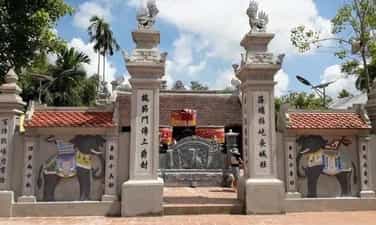
Đền thờ Phan Cảnh Quang – Dấu ấn vị tướng tài thời Lê trung hưng. Nằm tại xã Yên Thành, tỉnh Nghệ An, đền thờ Phan Cảnh Quang là di tích lịch sử cấp quốc gia, gắn với cuộc đời và sự nghiệp của một danh tướng có nhiều đóng góp cho sự nghiệp trung hưng nhà Lê vào thế kỷ XVI. Phan Cảnh Quang sinh năm 1535 tại vùng Hạ Thành xưa, nay thuộc địa bàn xã Yên Thành. Từ nhỏ có chí lớn, khi trưởng thành, ông trở thành một nhà quân sự tài ba, có khoảng 40 năm cống hiến cho triều Lê. Không chỉ lập công trong sự nghiệp trung hưng đất nước, ông còn dành nhiều tâm sức cho quê hương, góp phần mở mang đất đai, thành lập làng Dinh, khai khẩn ruộng đồng, đào kênh, đắp đập, giúp người dân ổn định cuộc sống và phát triển sản xuất. Với những công lao ấy, ông được triều đình ban nhiều sắc phong và phong tặng tước vị cao. Năm 1599, Phan Cảnh Quang qua đời, hưởng thọ 65 tuổi. Sau khi mất, ông được triều đình và nhân dân ghi nhận là vị nhân thần có công với nước, lập đền thờ tại quê hương. Đền thờ hiện còn lưu giữ nhiều tư liệu, hiện vật có giá trị như sắc phong, long ngai, bài vị, gia phả, hoành phi, câu đối cùng các tác phẩm chạm khắc truyền thống. Những di sản này góp phần làm rõ giá trị lịch sử, văn hóa của di tích và giáo dục truyền thống cho các thế hệ hôm nay. Nguồn: Đài Phát thanh – Truyền hình Nghệ An
Nghe An
104 view
Rating : Di tích cấp quốc gia
Temple of Khuong Cong Phu
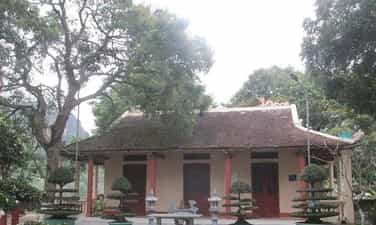
The Khương Công Phụ Temple – A Legacy of a First-Rank Scholar in China. Located in Định Hòa commune, Thanh Hóa province, the Khương Công Phụ Temple commemorates a special figure in the history of Vietnamese imperial examinations. Khương Công Phụ (731–805), from Định Hòa, was the first Vietnamese person to pass the doctoral examination in Chang'an, the capital of the Tang Dynasty, and was later revered as the First-Rank Scholar. Known for his intelligence and studiousness from a young age, Khương Công Phụ and his younger brother Khương Công Phục passed the examinations to go to Chang'an to take the imperial examination. In 780, he topped the list of doctoral candidates among thousands of other scholars. Afterward, he continued to demonstrate his talent in subsequent imperial examinations, earning the trust of the Tang emperor and successively holding many important positions in the court. A man of integrity, he repeatedly offered advice, contributing to the court's resolution of political issues. After his death, his hometown erected a temple to commemorate this talented son. The site once had a front hall and a rear hall in the shape of the Chinese character "Đinh". Today, the temple still preserves some valuable foundation traces, royal decrees, and Sino-Vietnamese documents. It was classified as a National Historical and Cultural Monument in 2001. The Khương Công Phụ Temple is not only a place of religious worship but also a center for educating future generations of Vietnamese people about the tradition of studiousness, pride in their homeland, and the spirit of striving for success. Source: National Museum of History
Thanh Hoa
103 view
Rating : National Monument
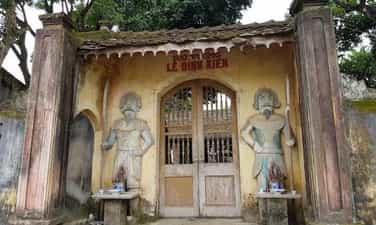
Đền thờ Lê Đình Kiên
Đền thờ Đại vương Lê Đình Kiên – Dấu ấn một danh nhân xứ Thanh. Nằm tại khu phố Thiết Đinh, xã Yên Định, tỉnh Thanh Hóa, đền thờ Lê Đình Kiên là di tích lịch sử cấp quốc gia, gắn với cuộc đời và sự nghiệp của một vị quan có nhiều đóng góp cho đất nước vào thế kỷ XVII. Lê Đình Kiên sinh năm 1621, từng giữ chức Trấn thủ Sơn Nam trong khoảng 40 năm, từ năm 1664 đến 1704. Trong thời gian cai quản, ông nổi tiếng là người tài trí, nghiêm minh nhưng trọng dân, góp phần giữ gìn an ninh, ổn định đời sống và thúc đẩy hoạt động giao thương tại Phố Hiến. Ông cũng khuyến khích người dân phát triển nghề trồng nhãn, góp phần tạo nên vùng nhãn nổi tiếng của Hưng Yên. Sau khi qua đời năm 1704, di cốt của ông được đưa về quê nhà Thiết Đinh. Ngôi đền được dựng để tưởng nhớ công lao của vị quan được sử sách ghi nhận là người có tài trị nước, có công với dân. Di tích còn lưu giữ những tư liệu, dấu tích gắn với cuộc đời và sự nghiệp của ông; tên Lê Đình Kiên cũng được đặt cho một tuyến phố và trường học tại địa phương. Nguồn: Báo Thanh Hóa
Thanh Hoa
105 view
Rating : Di tích cấp quốc gia
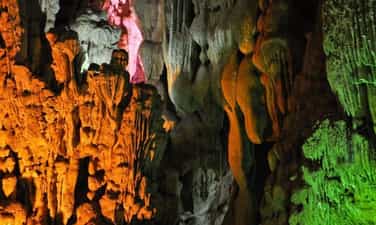
Hang Luồn
Hang Luồn, còn gọi là hang Trinh Nữ, nằm trong dãy núi Đầm Khánh bên dòng sông Bôi, thuộc khu vực Lạc Thủy, tỉnh Phú Thọ. Đây là một danh lam thắng cảnh nổi bật với địa thế độc đáo: hang xuyên qua lòng núi, có hai cửa thông nhau, tạo nên cảnh quan sông nước và núi đá hài hòa, thơ mộng. Hang có chiều dài hơn 1,1 km, lòng rộng từ 8 đến 12 m, vòm cao khoảng 3 đến 10 m. Từ cửa hang, những rèm nhũ đá mang dấu ấn thời gian mở ra một không gian kỳ thú. Càng đi sâu, các khối thạch nhũ càng phong phú với nhiều hình dáng độc đáo, từ những dải đá mềm mại như rèm hoa đến các cột đá, măng đá và những mảng nhũ nối liền từ vách lên trần. Điểm đặc biệt của Hang Luồn là dòng nước len lỏi xuyên qua lòng núi. Có đoạn mặt nước hẹp như dòng suối, có nơi lại mở rộng, phản chiếu những khối nhũ đá trên vòm hang. Không gian bên trong luôn mát mẻ, cùng tiếng nước nhỏ giọt hòa với vẻ tĩnh lặng tạo nên một khung cảnh vừa kỳ bí vừa nên thơ. Với vẻ đẹp tự nhiên độc đáo và giá trị cảnh quan nổi bật, Hang Luồn được xếp hạng danh lam thắng cảnh cấp quốc gia. Di tích là một điểm nhấn trong hệ thống thắng cảnh của vùng Lạc Thủy, góp phần tạo nên sức hấp dẫn của miền núi đá vôi bên dòng sông Bôi. Nguồn: Cục Du lịch Quốc gia Việt Nam
Phu Tho
49 view
Rating : Di tích cấp quốc gia
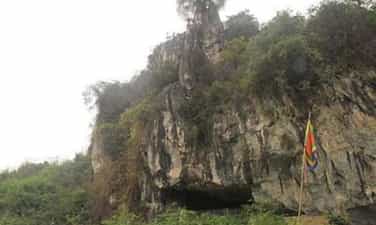
Dong Thot Cave archaeological site
Dong Thot Cave Archaeological Site – Traces of Hoa Binh Culture. Located on a limestone massif in Thanh Ha commune, Phu Tho province, Dong Thot Cave is an archaeological site of special value in the study of Hoa Binh Culture. The cave has a wide, high, and airy entrance, facing a relatively flat valley, favorable for prehistoric inhabitants to live in. Surveys and excavations at Dong Thot Cave have uncovered a fairly thick cultural layer, in some places up to 4.5 meters, containing many freshwater clam and snail shells along with traces of prehistoric life. In particular, hundreds of stone tools were found here, mostly made from pebbles using the characteristic chipping and shaping techniques of Hoa Binh Culture. Among them are almond-shaped tools, disc-shaped tools, and many chipped fragments. These discovered artifacts help archaeologists better visualize the life, methods of earning a living, and tool-making techniques of prehistoric inhabitants. The thick layer of clam and snail shells in the cultural strata also indicates an important food source for the people who once inhabited the cave. With its outstanding scientific and historical value, Dong Thot Cave was classified as a national archaeological site in 2003. Today, the site is a valuable source of information contributing to clarifying the history of prehistoric human habitation and the rich values of the Hoa Binh Culture. Source: Management Board of Historical Sites in An Nghia Commune, Phu Tho Province
Phu Tho
42 view
Rating : National Monument
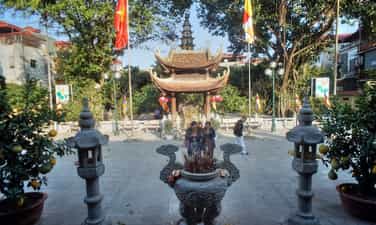
Lien Phai Pagoda
Lien Phai Pagoda – A Legacy of the Lien Tong Zen Sect in the Heart of Hanoi. Lien Phai Pagoda, also known as Lien Phai Temple, is located in Bach Mai Street, Cau Den Ward, Hanoi. Built in 1726, it was initially named Lien Hoa, later changed to Lien Tong, and finally to Lien Phai in 1840. This pagoda is associated with Lan Giac Thuong Si Trinh Thap, the founder and patriarch of the Lien Tong Zen sect during the Later Le Dynasty. For nearly three centuries, Lien Phai Pagoda has preserved the distinctive architectural style and landscape of an ancient Thang Long pagoda. The complex includes a triple gate, an 11-story Lien Hoa tower, a stele house, the main pagoda, the Mother Goddess house, the Ancestor house, and a stupa garden. These structures, along with the system of statues, steles, horizontal plaques, couplets, and religious artifacts, create a rich historical, cultural, and artistic value. In particular, the pagoda preserves many precious artifacts, including a bell from the Le Trung Hung era, numerous stone steles, and a statue of Nguyen Dang Giai – the person who built Lien Tri Pagoda by Hoan Kiem Lake. With its outstanding values, Lien Phai Pagoda was classified as a National Monument by the Ministry of Culture in 1962. Today, the pagoda serves both as a place of religious activity and as a site contributing to the preservation of the long-standing historical, architectural, and Buddhist landmarks of Thang Long – Hanoi. Source: Hanoi Department of Culture and Sports.
Hanoi
117 view
Rating : National Monument
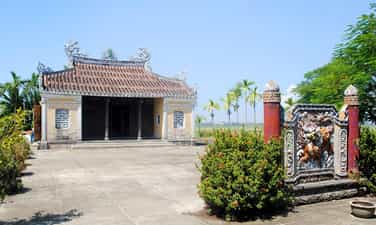
An My Temple
An My communal house, located in An My hamlet, Cam Chau ward, Da Nang city, is a historical site closely associated with the formation and religious life of the An My community. Built around the beginning of the 19th century, it is a place of worship for the tutelary deity, Dai Can, Thien YA Na, and other prominent figures who contributed to the village. Over two centuries, the communal house has undergone several renovations but still retains its traditional architectural features. The structure has three bays and two wings, with a wooden truss system and a yin-yang tiled roof, creating a solemn and ancient appearance characteristic of communal houses in Quang Nam province. The communal house is not only a place of worship but also reflects the formation and development of An My village. Historical documents show that the community here was formed in the late 18th century; by the early 19th century, An My commune was established and gradually built its religious institutions. Today, communal houses remain spaces for religious activities, contributing to the preservation of customs, memories, and the traditional cultural beauty of Hoi An's countryside. Source: Hoi An Cultural Heritage Conservation Management Center
Da Nang
99 view
Rating : Provincial-level historical site
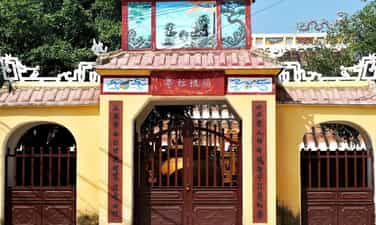
Chien Dan Temple
Located in Chien Dan commune, Da Nang city, Chien Dan communal house is one of the typical ancient communal houses of the former Quang Nam region. According to legends and oral traditions, the communal house was built around the end of the 15th century, during the period when Vietnamese people began to explore and settle in this land. The communal house is a place of worship for the tutelary deity, the ancestors who contributed to the reclamation of the land, and figures who rendered meritorious services to the homeland and the country. With a history of over 500 years, the communal house still retains its scale and many distinctive traditional architectural elements. The structure covers an area of about 440m², built in the shape of the Chinese character "一" (one), consisting of five bays and two wings, with 30 large jackfruit wood columns. The roof is covered with yin-yang tiles, and the ridge features a prominent image of two dragons facing the moon, along with unicorn motifs and many exquisite carvings. Particularly, the system of rafters, beams, and wooden components in the communal house are elaborately carved, showcasing the skill of the artisans of Van Ha carpentry village. Despite numerous renovations, particularly in 1932, 1955, 1967, 1972, 1996, and 2006, the communal house has preserved its core architectural values. Every year, on the 15th day of the 7th lunar month, a festival is held to commemorate the ancestors and to provide an opportunity for the local community to preserve and promote the traditional cultural values of Quang Nam province. Source: Da Nang City Electronic Information Portal
Da Nang
100 view
Rating : National Monument