Relic point Vietnam
Việt Nam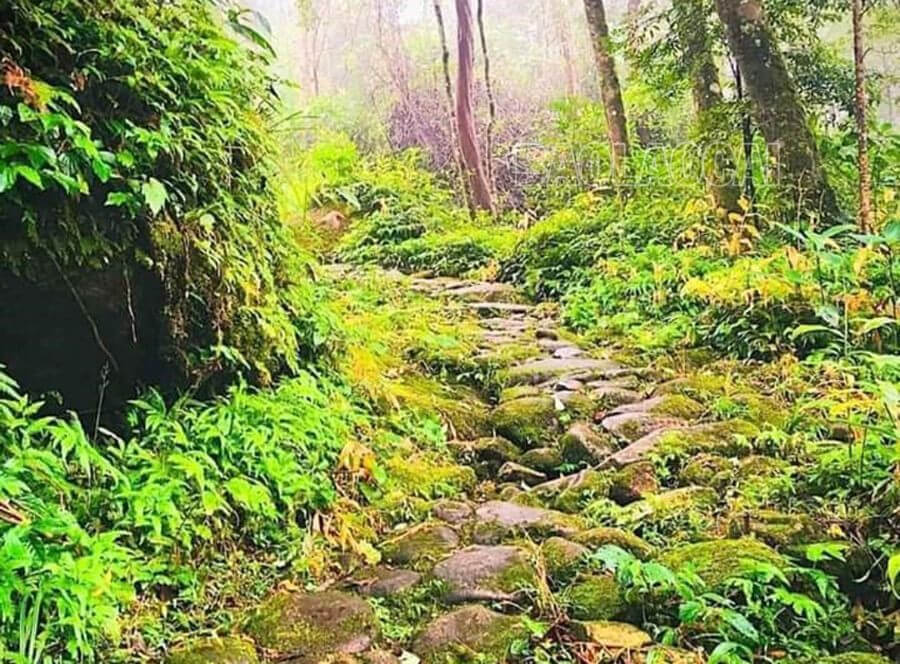
Pavie ancient stone route
The ancient Pavie stone road is more than 100 years old in Nhiu Co San village, Sang Ma Sao commune, Bat Xat district, and has been ranked by Lao Cai province as a provincial-level scenic relic. On December 11, news from the Department of Culture and Sports of Lao Cai said that the Provincial People's Committee had just issued Decision No. 3130/QD-UBND, ranking the ancient stone road Pavie in Nhiu Co San village, Sang Ma Sao commune, Bat Xat district is a provincial-level scenic relic. According to this decision, the Pavie ancient stone road protection area is determined according to the minutes of zoning of relic protection areas in the relic scientific records. The People's Committee of Lao Cai province assigned the Department of Culture and Sports and the People's Committee of Bat Xat district to develop a plan to protect, manage, restore and use the scenic relic of the ancient stone road of Pavie in accordance with regulations. According to many documents and records, in 1920, the Pavie stone road began to be built. Governor Auguste Jean - Marie Pavie is the one who surveyed and directed the construction of this route to transport food and agricultural products between the Northwest provinces of Vietnam. Therefore, the route is called Pavie. After 7 years, the road was completed with a total length of about 100km, crossing Gio Pass in the Nhiu Co San range, extending from Bat Xat district (Lao Cai province) to Lai Chau city (Lai Chau province) today. However, according to indigenous people, before the French built the road, their ancestors conquered Nhiu Co San peak by this path and explored Lai Chau land. The French only continued to borrow the route from the Mong people. for transportation. The ancient Pavie stone route used to serve the transportation of goods, agricultural products, weapons... from Lao Cai to Lai Chau during the French colonial period. Over time, although the path has been covered by grass and trees, the rocky road is still about 3 meters wide and stretches more than 20km through complex terrain. After more than 100 years of being almost forgotten, the ancient stone road has recently been rediscovered and has become one of the must-see journeys to discover the magnificent nature of tourists when coming to Lao Cai. SOURCE: SPEECH AGENCY OF VIETNAM JOURNALISTS ASSOCIATION
Lao Cai 3925 view
Ngoi Bo Temple
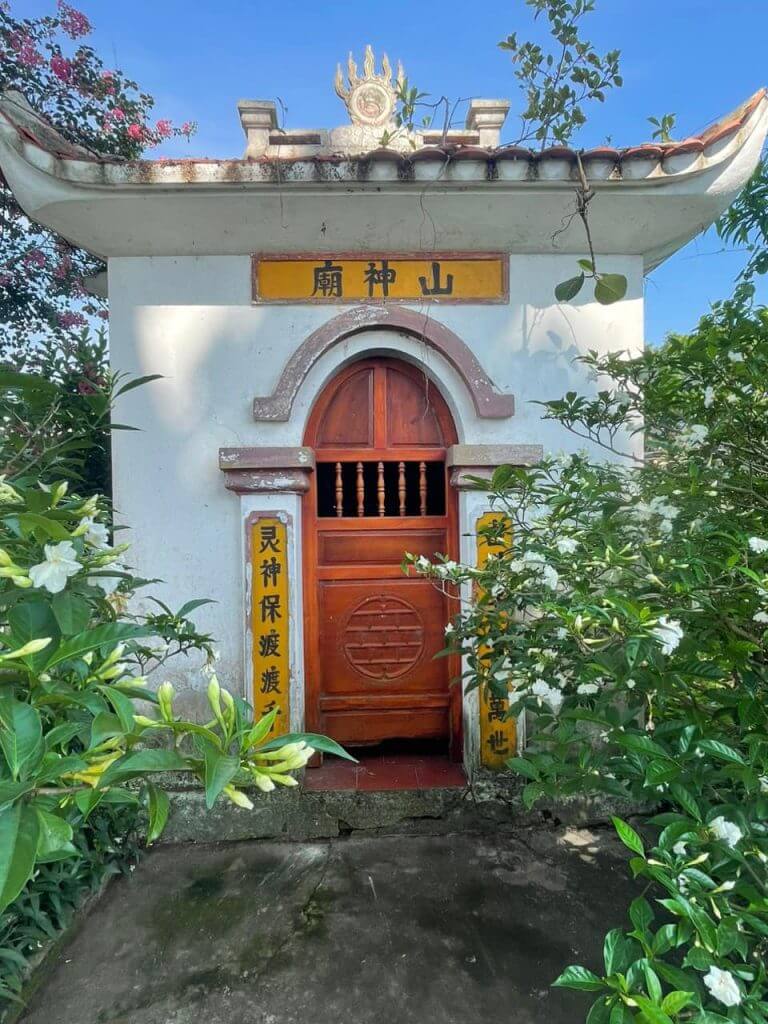
Ngoi Bo Temple now belongs to Thong Nhat commune, Lao Cai city, Lao Cai province. Overlooking the river confluence - the intersection of Ngoi Bo stream and the Red River, the temple is a place to worship Tan Vien Son Thanh - one of the Four Immortals of Vietnamese folk beliefs, "the most sacred deity of Vietnam". Southern Heaven". According to the elders, when the people from the lowlands in the village came here and were attached to this land, they built shrines and temples to worship Saint Tan Vien - a Saint who is worshiped throughout the midland and Northern Delta with devout belief in His blessing and protection. That trust is the pedestal and spiritual fulcrum of those far away from home on the path to creating a life in a new land, and at the same time a reminder and maintenance of memories of their homeland. about his ancestors' origins. Ngoi Bo Temple Festival takes place on January 11 every year. Ngoi Bo Temple was ranked as a Provincial historical-cultural relic in 2016./. SOURCE: LAO CAI CITY MONITOR MANAGEMENT BOARD
Lao Cai 3662 view
Quan Temple
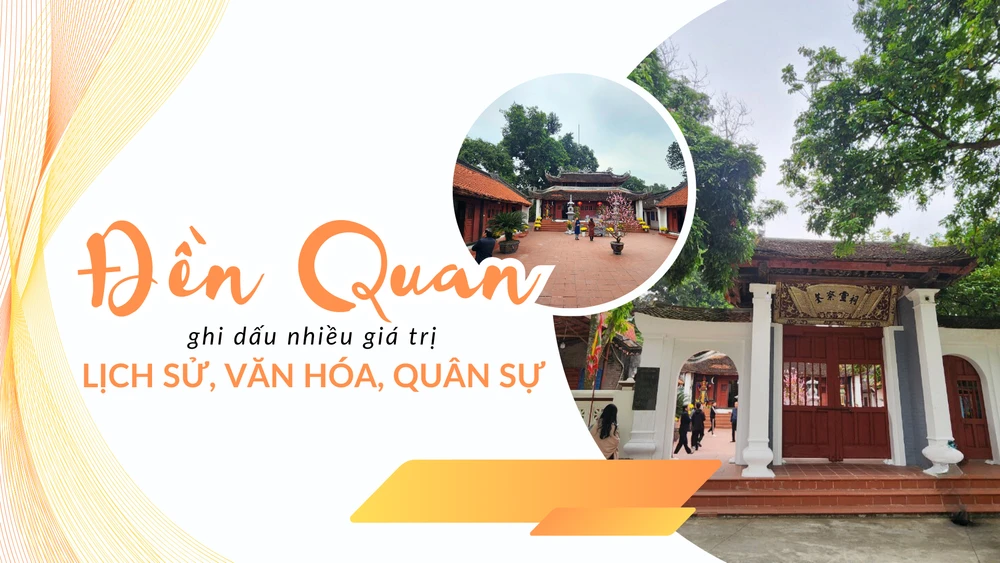
Quan Temple is located in Lao Cai ward, Lao Cai city, Lao Cai province, which marks the resistance war against Mongol invaders in the 13th century. Legend has it that the location where the temple was built was where the Tran Dynasty army's prison camp was located during that great national defense war. Over time, with the interweaving of historical memories, legendary thoughts and current aspirations, the temple became a place to worship the Second Supervisor - a legendary figure, a saint. sacred in the temple of Vietnamese people's belief in worshiping Mother Goddesses of the Three Palaces and Four Palaces. According to the adoration texts: “He was originally in heaven The Son of the King of God came to earth No matter who has the order to cry May Mr. Second live a peaceful and prosperous life Talented, upright and intelligent The temple and the temple are filled with heroic spirits The word that the Saint descends and saves grace Many talents, many fortunes, long life in spring". Legend has it that the 11th day of the 11th lunar month is the main day of His Banquet. On this occasion every year, monks, religious officials, admirers of the Three Palaces and Four Palaces beliefs, along with people and tourists from all over, come to the temples, palaces, and shrines to pay their respects to him. incense, praying for His protection and support. Quan Temple was ranked as a Provincial historical and cultural relic in 2015./. SOURCE: LAO CAI CITY MONITOR MANAGEMENT BOARD
Lao Cai 4106 view
Temple of the couple
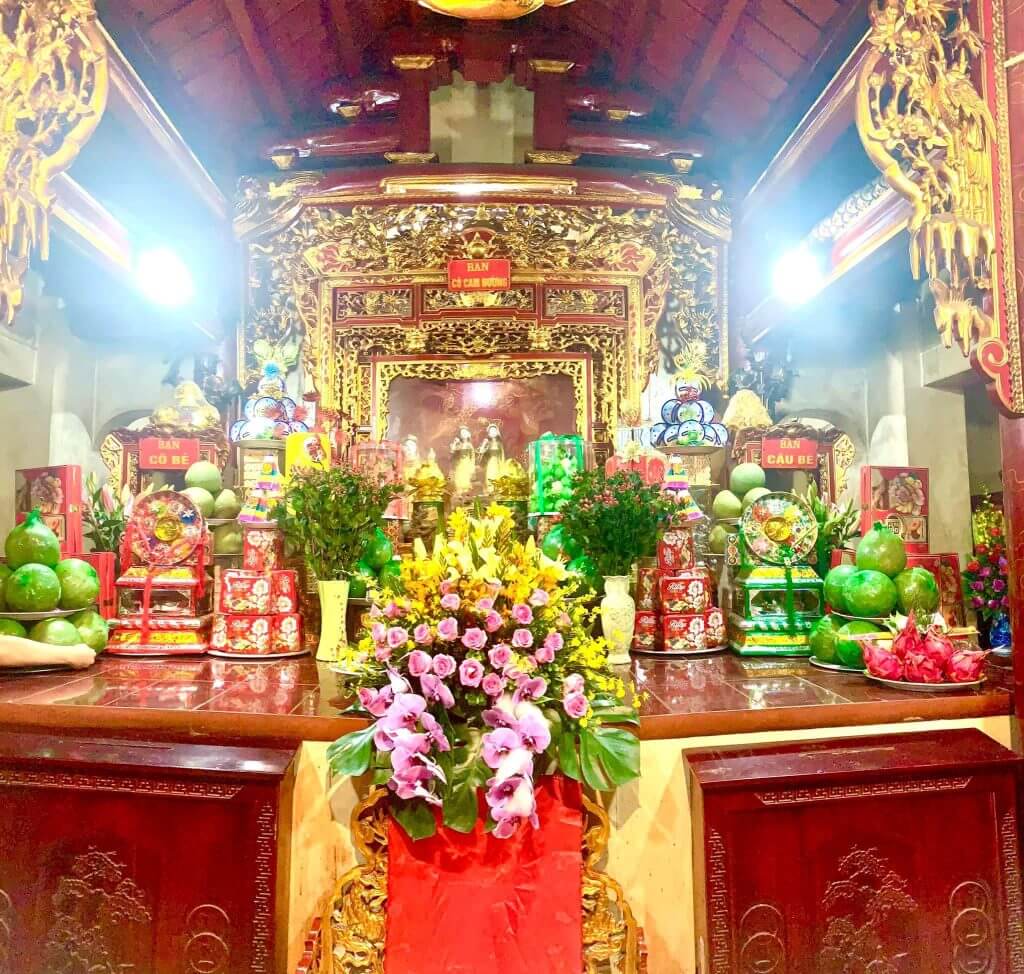
Located in Binh Minh ward, Lao Cai city, Lao Cai province, Doi Co Temple is a place to worship Cam Duong Doi Co - sacred goddesses in the religious temple of Mother Goddesses of the Three Palaces and Four Palaces. Legend has it that the aunts were "hometown in the ancient land of Dinh Bang/ Line after line trading silk fabric". The Cam Duong area (now part of Lao Cai city) is where the nuns, after their transformation, had their epiphany, "Saving people on land and in the river/ Going back and forth with smooth sailing." To commemorate the merits of their ancestors, people in the area built shrines and temples, where generation after generation they worshiped with incense and smoke. Every year, on the 13th day of the 9th lunar month, the local government and people respectfully hold a banquet to express their gratitude to the Ladies, and at the same time to honor the good qualities of women. Vietnam, affirming the nationality and humanity of the Vietnamese people's belief in worshiping Mother Goddesses of the Three Palaces and Four Palaces, consolidating and further strengthening the cohesion of the community on the foundation of shared beliefs and a sense of direction. source and compatriots. Double Co Cam Duong Temple was ranked as a Provincial historical-cultural relic in 2005./. SOURCE: LAO CAI CITY MONITOR MANAGEMENT BOARD
Lao Cai 4001 view
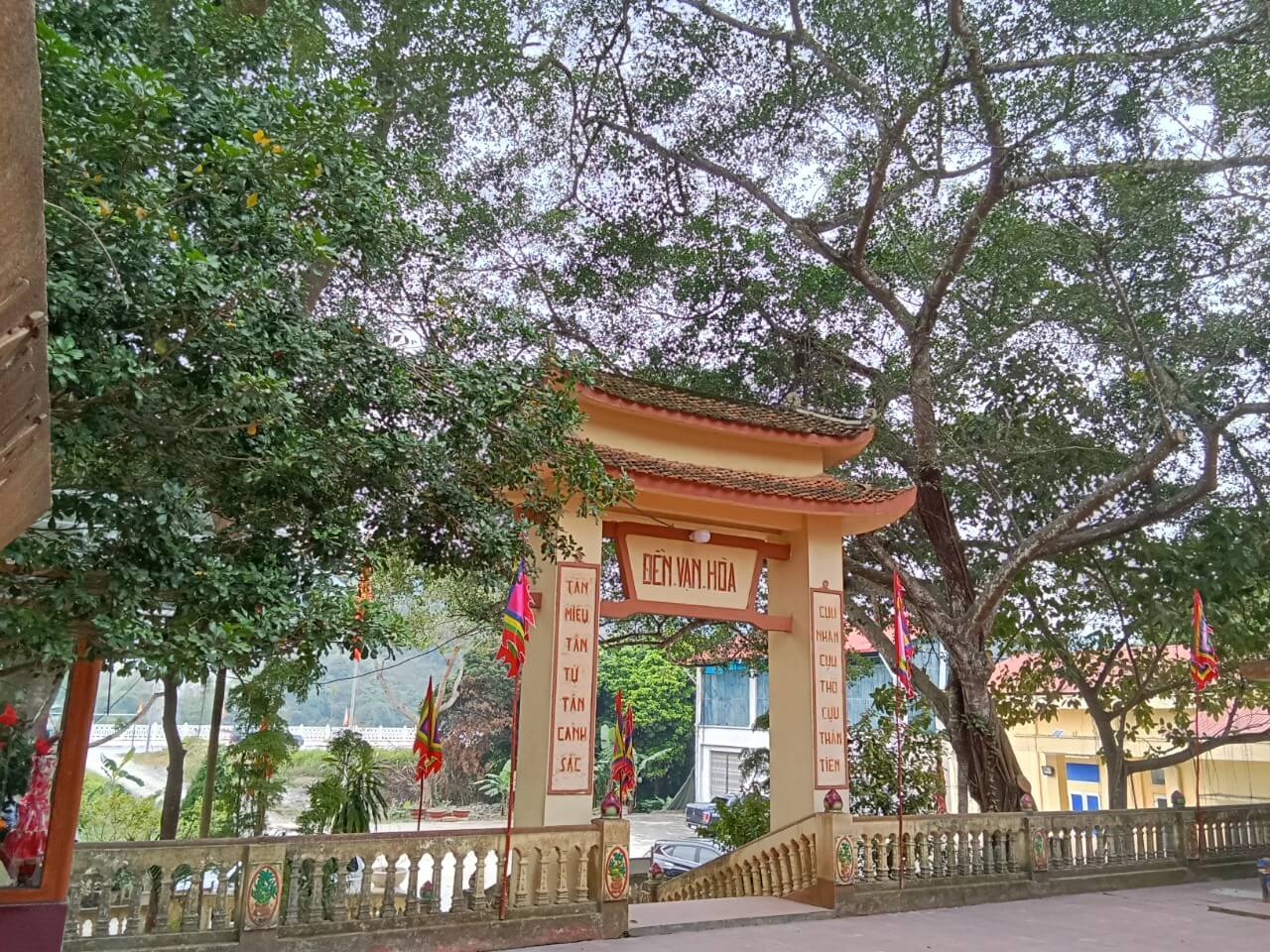
Van Hoa Temple
Legend has it that more than 700 years ago, when the Northern army invaded our country, the first place to suffer the destruction and harassment of the invaders was Bao Thang street, Thuy Vi district, Hung Hoa province (now Laos ward). Cai, Lao Cai city). At that time, Duke Tiet Hung Dao Dai Vuong Tran Quoc Tuan received orders from the court and soldiers along the waterway (along the Red River) to fight, suppress the Northern invaders, and keep the land peaceful. To commemorate and repay the debt of defeating the invaders, in 1940, the people of Van Hoa commune established a village communal house in Canh Chin village, worshiping Saint Tran and serving as a meeting place for the people. In 1947, also at Canh Chin village communal house, local soldiers chose it as their command post. In 1954, this place was again chosen as the venue for the first military-civilian Party conference of Lao Cai town after Lao Cai was liberated. In 1980, people in the area built a small temple to worship Saint Tran. By 2005, the Lao Cai City People's Committee decided to renovate and upgrade Van Hoa Temple. Next to the temple is a memorial stele house dedicated to the 49 martyrs of Van Hoa who sacrificed their lives for the cause of national liberation. Every year on the full moon day of the first lunar month and the 20th day of the 8th lunar month (the death anniversary of Saint Tran), people in the commune hold solemn ceremonies at Van Hoa temple to commemorate the merits of the past. Van Hoa Temple today is one of the historical and cultural relics located in the relic complex: Thuong Temple, Mau Temple, Cam Temple, Doi Co Temple, Cam Duong Revolutionary Base Area, Tan Bao Pagoda, Cam Lo Pagoda . This place is also an attractive destination for tourists in the spiritual tourism chain of Phu Tho - Yen Bai - Lao Cai. Every year, it welcomes hundreds of visitors and worshippers, contributing significantly to the development of the locality. With those great historical and cultural values, the ranking of Van Hoa Temple as a provincial-level historical and cultural relic contributes to preserving and promoting cultural heritage values associated with tourism development and restoration. serve the local political tasks well, ensuring security and politics; Traditional education, meeting the spiritual needs of the people. Source "Lao Cai Electronic Newspaper"
Lao Cai 4056 view
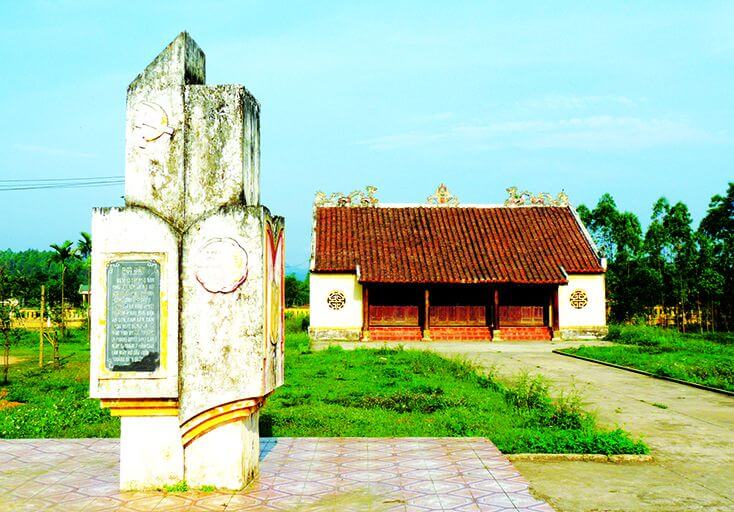
Kim Bang communal house and Cay Tang cave
The revolutionary historical relics of Kim Bang communal house and Cay Quyt cave are located in Kim Bang village, Minh Hoa commune (Minh Hoa district). This place is associated with the vibrant and heroic historical events of Quang Binh province and the nation during the resistance war against the French colonialists. In particular, this is where the 2nd Quang Binh Provincial Party Congress took place on May 19, 1949. During the resistance war against the French colonialists, Minh Hoa had an important strategic position, being the revolutionary base of Quang Binh province. Kim Bang Communal House is not a very large communal house but is located in a favorable location in the middle of a fairly large and flat area of land. From Kim Bang, secret paths through the forest can radiate to different directions, so delegates can attend the congress while still ensuring confidentiality and safety. Next to Kim Bang communal house, there are also large and deep caves such as Quyt cave and Diem cave, which can hold meetings for several hundred people in case of unforeseen circumstances. With that condition, the Tuyen Hoa District Party Committee arranged to collect rock piles outside Diem cave to place a lookout to protect the outer perimeter, and at the same time arranged militia and guerrilla forces to guard around the clock during the event. festival. And Quyt cave was chosen as a shelter or as a place to hold a congress when an incident occurred. The people here are rich in revolutionary tradition, wholeheartedly following the Party and Uncle Ho... Therefore, in just a short time, 4 temporary houses made of wood, thatch, bamboo, etc. were built around the communal house. Kim Bang to serve the congress. Minh Hoa people not only contributed but also used all their resources from cattle, pigs, chickens to corn, cassava, vegetables, etc. to support the congress. Dozens of officials, guerrillas and people were sent to serve the congress for 12 days (the congress took place for 9 days and 3 days for preparation work). Around the Kim Bang communal house area, 8 guard towers are placed on high points and assigned strict guards. Thanks to that, the congress was guaranteed absolute secrecy and safety. Even 7 days after the congress ended, the French colonialists learned that they frantically sent planes to drop bombs and burn down the pavilion. The Second Quang Binh Provincial Party Congress is an extremely important event in Quang Binh's history. The resolution passed by the Congress promptly met the objective demands of the resistance war against the French colonialists of the army and people of Quang Binh. Bringing the resistance movement to a new historical turning point is extremely important not only for the people in the province but also has a positive influence on the resistance movement of the whole country. The revolutionary historical relics of Kim Bang village communal house and Cay Tang cave are ranked at the provincial level according to Decision No. 1088/Decision - Sports and Tourism Committee dated July 9, 1999 of the People's Committee of Quang Binh province. Kim Bang communal house, Cay Tang cave with "Quang Binh's rise", July 15, has become a traditional historical day of Quang Binh, becoming an emulation movement to overcome challenges throughout the resistance war of Quang Binh. our people. Kim Bang Communal House was built in 1924 and completed in 1925. The communal house is made of wood, has a thatched roof, and has a dirt floor. The communal house includes the Early communal house and the Later communal house. During the anti-French period, the pavilion was shot down by French planes, then the pavilion was converted into a school and defense warehouse. In 1966, the pavilion was completely burned by American planes dropping napalm bombs. Currently, the communal house is funded by the province to restore the communal house on the old ground of the village communal house. In 2004, the communal house was restored and renovated, becoming a meaningful destination for tourists and a place for cultural activities, educating patriotic and revolutionary traditions for generations. Cay Tangerine cave is located about 500m from Kim Bang communal house; has an average height of about 3m; 15.5m wide; depth of cave 22m; The cave entrance is 10m wide. Cay Tangerine len cave was used during the days of the Second Congress in May 1949. Also in Cay Tanger len len cave in September 1964, the General Conference of the 325A division took place to stabilize the preparation organization. went to the South to fight. In 1968, the district celebrated shooting down the 3,000th American plane in the North; Len Cay Tangerine Cave is also where 400 tons of food were hidden during the years of the war against America. In particular, Cay Tang cave is an archaeological relic that was previously excavated and researched by M.colani, a French archaeologist from the Hanoi School of Far Eastern Antiquities. Source: Electronic information portal of Minh Hoa commune, Minh Hoa district, Quang Binh province.
Quang Tri 4002 view
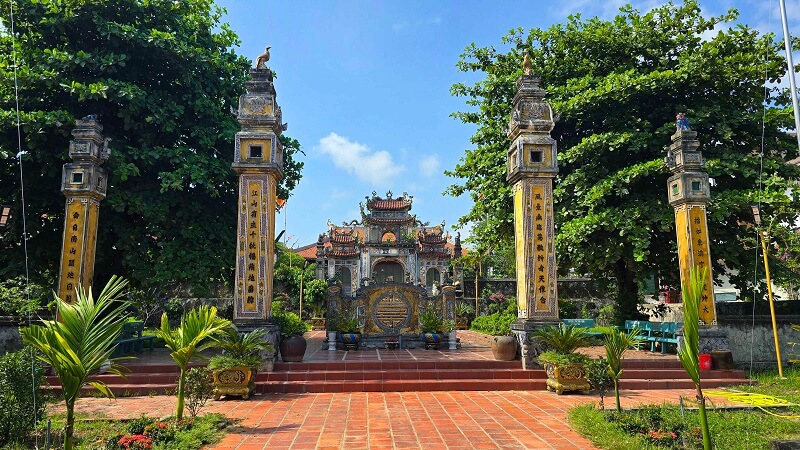
Ly Hoa communal house
Ly Hoa communal house is located in Hai Trach commune, Bo Trach district, Quang Binh province. The communal house is located on high land in the middle of the village, with a beautiful, airy terrain. About 1 km from National Highway 1A along the riverbank to the Northeast, the communal house faces South, in front is the gentle Ly River flowing down to the sea. Ly Hoa Communal House was built in 1737, by the villagers contributing their contributions. At first, there were 4 pillars made of ironwood. Every year, when people held ceremonies, they erected them and covered them with thatch. When the ceremonies finished, they took them down and folded them. The god worshiped in the village communal house "Cuong Khau Dai Vuong", a sea gate guardian god Cuong Gian is worshiped in the communal house of Cuong Gian village (Nghi Xuan - Nghe An) - The genealogies of the families in Ly Hoa all record the gods ancestors in Cuong Gian village - Nghe An. In 1804 - 1808, when the Ly Hometown Council was strong, people donated to build it, the communal house's roof was covered with scale tiles, the back part was only for worship. Then build a central communal house. In 1824, the outer part and two old rooms were built to worship the dead. According to the genealogy left behind, in the same "four pillars" there are 4 gods: Thien Yana, Hanh Tieu Nuong and two daughter princesses Thien Yana (people call them the four great gods). The middle communal house worships the tutelary god and worships the gods with temples in the village. The outermost part worships the twelve ancestors (ancestors of 12 families) with the king's diploma. Speaking of Ly Hoa village, no one does not know the Nguyen Duy family, a family that has succeeded for many generations to become highly respected mandarins. During the Nguyen Dynasty, from the 10th year of Minh Mang opening the first university until the last exam in 1919, the Nguyen Duy family in Ly Hoa village contributed 5 university professors (doctorates). That is a unique case in the history of Vietnam's feudal examinations. Ly Hoa Communal House, in addition to worshiping the ancestors who founded the village, opened up careers for their descendants, and worshiped the village's prestigious scholars, is also associated with typical historical events of the locality and the province in the past. During the pre-uprising period to seize power in the district capital, during the period of fighting against the French colonialists who invaded our country, especially during the fight against the destructive war of the American invaders. The first days were to prepare for mass mobilization, gathering forces in the Viet Minh front to join the local uprising to seize power. Ly Hoa Communal House is where revolutionary soldiers hid documents and traveled to make contact and meet to discuss major policies of their superiors. On August 23, 1945, the whole village gathered at the communal house and headed to the district road. Together with localities in the district, the August revolutionary uprising to seize power in the district capital was successful. During the war of sabotage by the American enemy. Ly Hoa communal house in particular and Ly Hoa village in general were one of the places of extremely brutal raids by the American invaders. The enemy attacked from the sky, from the sea, etc. Generations and classes of village youth gathered at the communal house before joining the army to be reminded to promote their ancestors' traditions and live worthy of their values. ancestors created spiritual culture, material culture and determination to protect the homeland. During the years of fierce war, Ly Hoa village was honored by comrades Vo Nguyen Giap and Dong Si. Nguyen, Le Quang Hoa... all entered the battlefield visit. Ly Hoa communal house as well as Ly Hoa village in general were attacked over and over again, the communal house was destroyed by American bombs, but the village is still a surviving communal house. The local people still persevere in holding on, not moving an inch, not leaving an inch, clinging to their villages and homeland. Maybe rowers and guns, responding to the slogan: "If the car hasn't passed the house yet, there's no regret, if the road hasn't been cleared, there's no regret for blood or bones." The pillars of communal houses collapsed and were broken, along with houses, people dismantled them to serve passing vehicles, ensuring traffic, ensuring blood vessels for the Southern region. Wounded soldiers and convalescent groups all stopped at the communal house to then go to the North and South. From the day peace was restored until now, the village communal house has become a meeting place, a place for cultural activities, and the political and social center of the village community, where generations of descendants learn more about the brilliant past of the village. ancestors, enhancing each person's pride and responsibility towards their homeland and neighbors. Ly Hoa Communal House has typical architectural and artistic historical value, and is a place to worship ancestors who have openly founded the village and the typical professions of the coastal village (the communal house's sacrifices are held in addition to the Spring and Autumn periods each year). There is a grand festival, village affairs, and Tet holidays. In addition, every 6 years there is a very solemn ceremony to worship the tutelary god. Ly Hoa Communal House is the embodiment of the cultural identity of Vietnamese villages along with many cultural values worth preserving. Furthermore, the communal house is also associated with typical historical events of the locality and province, especially from 1945 to present. The communal house is also a building with a historical and cultural symbol, a place for cultural activities of Ly Hoa coastal village. A place of education that promotes the tradition of studiousness and love of homeland for present and future generations. Source Electronic information portal of Bo Trach district, Quang Binh province
Quang Tri 4032 view
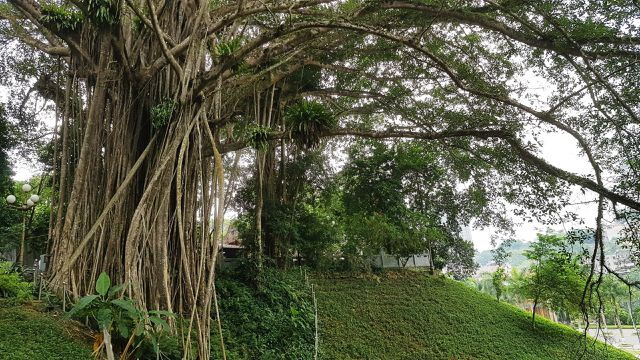
Vietnamese heritage banyan tree
Thuong temple banyan tree belongs to the multi-hairy variety. At the time of recognition, the tree was classified as a heritage tree with the largest trunk circumference in Vietnam, with a circumference of 44m, more than 36m high, and an age of over 300 years. Up to now, the tree has developed many additional roots and thousands of baby roots surrounding it. It is very difficult to distinguish which is the main stem and which are the secondary roots, because over time, the secondary roots have developed and become tightly attached to each other into giant root clusters no different from the main stem. Along with the regime of caring for heritage trees according to State regulations, the ancient banyan tree at Thuong Temple is always protected by the people. Every year the tree produces many roots, but no one breaks the branches, cuts the roots, or climbs. The tree has many mistletoe, many orchids clinging tightly to high branches, and large roots add to the ancient and natural beauty. When recognized as a "Vietnamese Heritage Tree", the banyan tree at Thuong Temple was the first ancient tree in the province to be recognized by the Vietnam Association for Nature and Environment Protection as a Vietnamese Heritage Tree. The tree stands tall and proud right on the banks of Nam Thi River, next to Thuong Temple - the place to worship the National Duke Tiet Hung Dao Vuong - Tran Quoc Tuan, who has made great contributions to the cause of protecting the land, mountains and rivers. water, becoming the pride of the people in the border land - Lao Cai. Source "Lao Cai Electronic Newspaper"
Lao Cai 4422 view
Tien Canh Cave
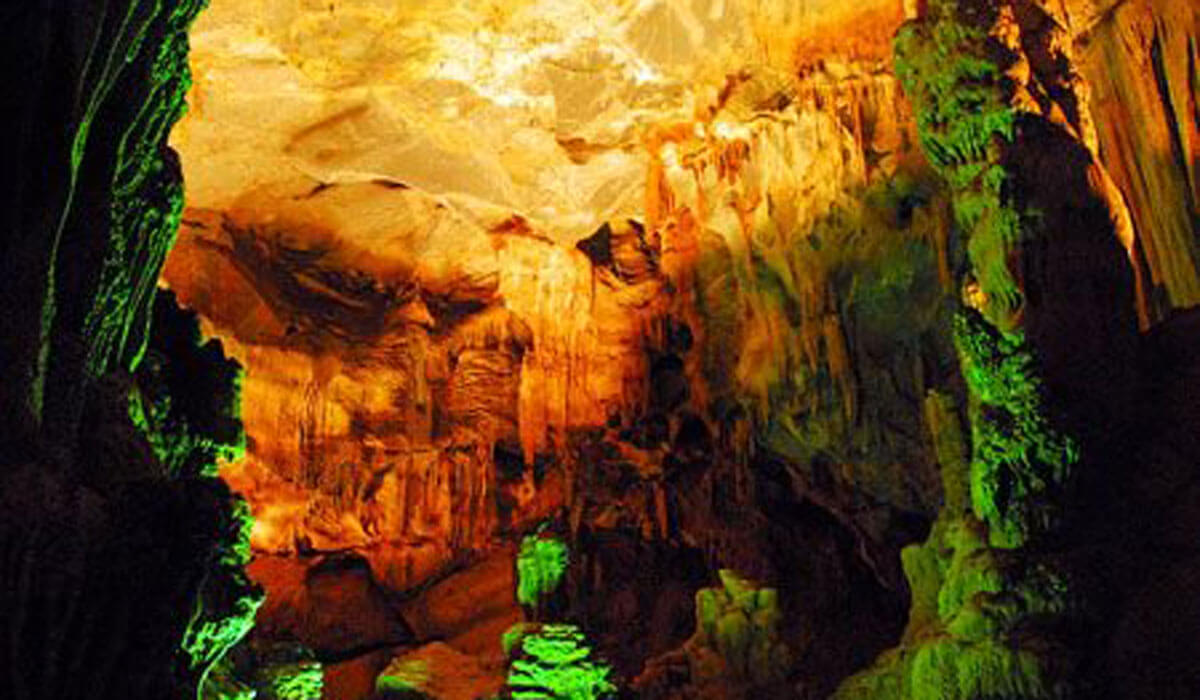
According to a survey by the Research and Collection Department (Lao Cai Provincial Museum), Tien Canh cave has a total length of 158m, the road is still quite difficult to travel because it has not been invested or renovated. The cave has 3 areas that converge with distinct, unrelated features of stalactites and natural landscapes, creating an attractive spot for tourists who like adventure and discovery tourism. The entrance of Tien Canh cave is in the form of a natural sinkhole covered by a wide, sturdy stone roof. The cave's roof has many shapes that are naturally created, such as beetles, dinosaur teeth, and dense sharp sword tips in the shape of comb teeth. In this area, the stalactites cluster together from the dome downwards like long hair. The left side of the stalactite wall is very bright, hanging down like a curtain, where tree roots are thickly intertwined with the stalactite layer. smooth like a vivid lacquer painting. Overall, the cave's roof resembles the jaws of a dragon opening wide, yawning after centuries of sleeping peacefully in the middle of majestic nature. Stepping through the cave entrance, you will arrive at Son Trang cave with a brown cave ring, gentle cave floor and stone patterns like terraced fields of miniature high mountains. This is the area with the highest concentration of stalactites, forming majestic mountains and forests. Vy. Sitting on the largest rock naturally placed in the middle of the cave, watching the panoramic view of stalactites like magnificent European castles; Many stalactites look like giant crystals, emitting magical light whenever a ray of light shines on them. This is the first stop to see the most magnificent and beautiful things of Son Trang cave. Standing at different angles, each person is immersed in their own emotions, but there is one thing they have in common that cannot be denied: seeing the beauty of this landscape. The next area is narrow, a small path with many stalactites growing from the ground, like coral reefs, making people feel like they are under the vast ocean, so the locals named it Thuy. Bow. On the coral reef, the stalactites are skillfully shaped into the shape of a statue of a mother holding her child in front of her chest. At the bottom, there are 3 stone pillars connecting to the top of the cave like a gate pillar before entering the aquarium, the natural gate opens to the whole world. a magnificent and unique natural building. Going all the way to the end of the Aquarium, you will reach the bottom of the cave with a wide, flat floor, where many stalactites gather from the ceiling to the bottom of the cave. The cave wall is made of a layer of solid rock covered with a layer of dark brown soil powder. It is that layer of soil that prevents the cave from resonating with sound. In this area, there are stalactites rising from the cave floor to form a tea table with 3 stalactites rising around it like people are enjoying afternoon tea. It all creates a sparkling picture, especially when light shines on it... With values of history, aesthetics, economic tourism, science and defense and security, in October 2019, Tien Canh cave landscape was ranked by Lao Cai Provincial People's Committee as a famous and beautiful relic. provincial level scene. Tomorrow, when investment is concerned, Tien Canh Cave can become an attractive tourist destination, bearing the characteristics of Xuan Thuong in particular and Bao Yen in general. Thereby effectively promoting the values of nature, culture, and people, helping people in Xuan Thuong commune develop economically and increase income. SOURCE: Lao Cai Electronic Newspaper
Lao Cai 3796 view
Lang Luc Temple
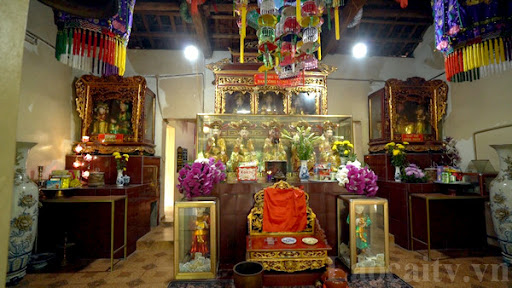
The historical and cultural relic Lang Luc temple is located in Luc village, Bao Ha commune (Bao Yen district). The temple was built to pay respect to the three generals of mandarin Hoang Bay. They were instrumental in expelling the Northern invaders, establishing hamlets and villages, teaching the people to develop the economy, and providing military food for General Nguyen Hoang Bay to fight the enemy at the end of the Le Dynasty (17th century). History books also record that at that time, the entire Quy Hoa region of Thuy Vi and Van Ban continents (present-day Bao Ha area) were always invaded, looted, and killed by the Northern invaders. Realizing the increasingly urgent situation, the Le Dynasty, Canh Hung reign (1740 - 1786) sent the seventh general with the surname Nguyen to defend Quy Hoa. The famous general Nguyen led his army to attack along the Red River, liberate Khau Ban and build a strong Bao Ha base, waiting for the opportunity to expel the invaders. Among the soldiers of the famous general Nguyen, there were three brothers named Hoang who repeatedly contributed to expelling the invaders. They asked the general for orders to find new lands to bring people to reclaim, build villages, and practice. soldiers and monks, produce and provide food for the insurgents. The three Hoang brothers chose a location in Luc village and then recruited Tay and Dao ethnic people from neighboring areas to come here to establish a village. After a while, he and the villagers explored four large fields, named Coc Tram, Tang Luong, Na Ke, and Coc Tun. The 3 men taught people how to cultivate wet rice, grow corn, produce food for daily life and support General Nguyen Hoang Bay's army to become stronger. The great contributions of the three Hoang brothers have received respect and trust from ethnic people here. After his death, he was honored by the people as the village's tutelary god, and a temple was established in the middle of Luc village. Looking from the outside, the solemn temple consists of 3 worship spaces: the Palace to worship the Council; Palace worshiping General Hoang Bay; The temple worships the Three Holy Mother Goddesses. Every detail in the temple is delicately carved, creating a majestic look. SOURCE: Lao Cai Electronic Newspaper
Lao Cai 4023 view