Relic point Vietnam
Việt Nam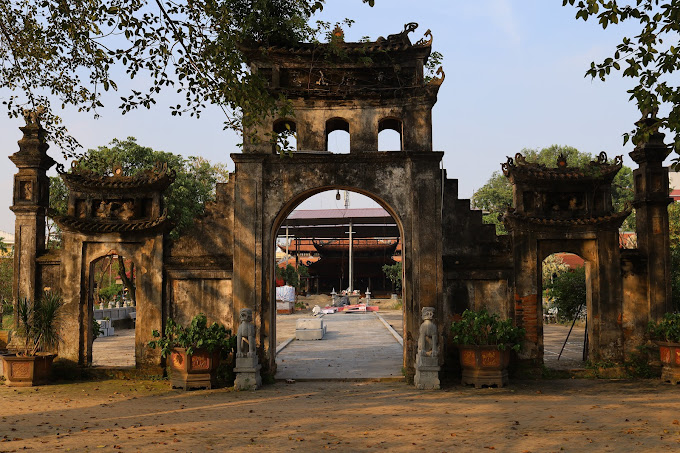
Ong Pagoda
Ong Pagoda, also known as Ban Tich Tu, is located in Binh Luong village, Tan Quang commune, Van Lam district. The pagoda has an ancient and sacred beauty, built during the reign of King Ly Than Tong and is now nearly 1000 years old. This is the pride of Van Lam people in particular and is a historical and cultural relic with long-standing value of the land of Hung Yen. About 19km from the center of Hanoi capital, along Highway 5 direction Hanoi - Hai Phong, turn right into Binh Luong village, Tan Quang commune (Van Lam district) is an ancient pagoda called Pagoda by the people here. Grandfather. According to the pagoda's stele (now only the waterfall is currently stored at the Institute of Sino-Nom Studies), the pagoda was built during the reign of King Ly Than Tong (1128 - 1138). The stele bears the symbols 5527 - 5528, on the forehead of the stele is the title: The Self is Compassionate, the date of the stele is the 20th Le Chinh Hoa period (1644), the stele's content records the worship of Zen Master Tu Dao Hanh and the meaning of the stele. Named the pagoda Ban Tich pagoda. Ong Pagoda under the Le Dynasty was located in two villages: Binh Luong and Luong Xa, Dinh Loan commune, Gia Lam district, Thuan An district, Kinh Bac region. In the 13th year of Minh Mang's reign (1834), Bac Ninh province was changed. At the end of the Nguyen dynasty, it was called Van Lam district, Hung Yen province. In the pagoda, there is still a bronze statue of Zen Master Tu Dao Hanh, King Ly Than Tong (5th generation of Ly Dynasty - also the incarnation of Tu Dao Hanh after his death at Thay Mountain). The pagoda is arranged harmoniously and proportionally in the Tam style including the following categories: front hall, middle hall and back palace. In 1938, the pagoda was restored and re-embellished, the structure of the rafters is in the style of stacking smooth planed beams with patterned spots. The entire frame and columns of the ancient pagoda are made of solid ironwood, combined with elaborately carved ancient architecture, giving the front hall a solid and highly artistic position. Coming here, visitors will admire the ancient beauty of the temple with very elaborate and unique artistic architecture. Entering the temple gate is a peaceful, quiet space with a quiet mossy temple roof. According to history books, Ong Pagoda was built by King Ly Than Tong in the spring. Therefore, every spring, the people of Binh Luong village in particular and the people of Tan Quang commune along with tourists from all over gather here to celebrate and hold incense offerings to commemorate those who have contributed to fighting the enemy and defending the country. , built a temple. The traditional festival of Ong Pagoda takes place on 3 days, from March 7 to March 9 (lunar calendar), of which March 9 is the main festival. In 2001, the Pagoda was ranked by the Ministry of Culture and Information as a national architectural and artistic relic, the pride of Van Lam people. Source Department of Cultural Heritage.
Hung Yen 4271 view

Fansipan peak
CTTĐT - Lao Cai Provincial People's Committee has just issued document No. 1396/QD-UBND dated June 7, 2024, deciding to classify the Fansipan peak area as a provincial-level scenic relic. Accordingly, the People's Committee of Lao Cai province ranked Fansipan peak area, Hoang Lien commune, Sapa town, Lao Cai province as a provincial-level scenic relic. The relic protection area is determined according to the Minutes of zoning of relic protection areas and the Zoning Map of relic protection areas in the relic scientific records. The Provincial People's Committee assigned the Department of Culture and Sports and Sapa Town People's Committee to develop a plan to protect, manage, restore and use the scenic relics of the Fansipan peak area in accordance with current state regulations. Fansipan peak area, Sin Chai village, Hoang Lien commune, Sa Pa town is the highest mountain massif in the Hoang Lien Son range, nicknamed "Roof of Indochina" with an altitude of 3,143m, formed about 260 meters from today. -250 million years. In 1905, the French survey team organized an expedition and placed the first landmark on the Fansipan peak area to establish the coordinates of geodetic points in the area. From here, Fansipan appeared in French maps and documents recording Sapa, becoming a tourist destination for those who love adventure. Fansipan peak area has become a Sa Pa tourism brand, known and desired by many domestic and international tourists. SOURCE: Lao Cai Provincial People's Committee
Lao Cai 2433 view
Thien Long Cave
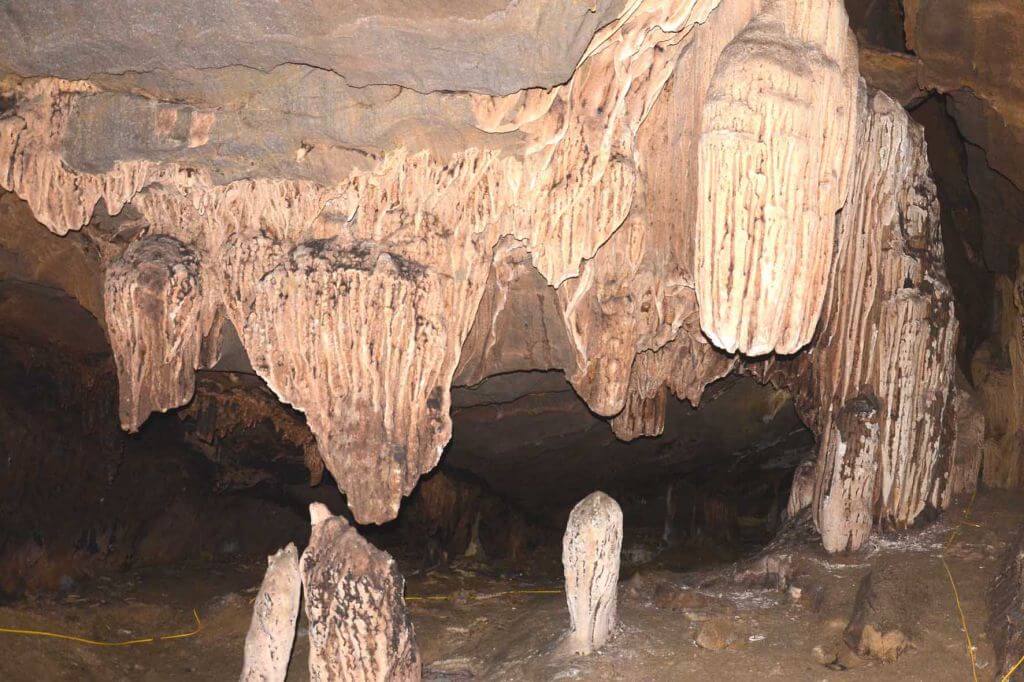
Thien Long, Ta Van Chu commune, Bac Ha district, Lao Cai province has been ranked a national monument by the Ministry of Culture, Sports and Tourism in Decision No. 3578/QD-BVHTTDL, 3579/QD-BVHTTDL dated December 18. October 2013. Thien Long Cave scenic spot, Ta Van Chu commune, Bac Ha district, is often called "Dragon Cave" by locals. Thien Long Cave is located deep in the heart of Dragon Mountain, at an altitude of over 1000m above sea level, still retaining its pristine and mysterious beauty with many layers of large and majestic stalactites. The total length of the cave is about 470 m, divided into 3 different floors, each floor has its own characteristics. The first floor is about 115m long, the ground is wide, the foundation is made up of large rocks, covered with a layer of black, spongy sedimentary soil, the cave dome of the first floor is high (about 8m - 10m) above. There are large stalactite arrays, stalactite arrays created by nature with many diverse shapes, cave walls with layers of stalactites clinging to the walls, over a long period of tectonic time, creating beautiful paintings. Ink painting is clear and translucent virtual. The second floor of the cave is shorter in length than the first floor, but has more stalactites and is richer in shape, size and color. The second floor has a flat floor, wide cave with high arches, so it is convenient to move around. . The third floor of the cave is long and has quite a steep slope, the wide cave has many stalactites of different shapes, the entire third floor is like a large bag, especially here there is a thick layer of sediment covering each other. The relic protection area is determined according to the records and maps delineating the relic protection areas in the file. The Ministry of Culture, Sports and Tourism requests People's Committees at all levels where the ranked relics are located, within the scope of their duties and powers, to carry out State management of the relics according to the provisions of law on relics. cultural product. SOURCE: Lao Cai Provincial People's Committee
Lao Cai 2273 view

Sapa terraced fields
Sa Pa terraced fields in Lao Chai commune, Ta Van commune, Hau Thao commune, Sa Pa district are ranked as national relics by the Ministry of Culture, Sports and Tourism in Decision No. 3578/QD-BVHTTDL, 3579/QD -BVHTTDL October 18, 2013. National monument - scenic spot Sa Pa terraced fields are located in Muong Hoa valley, nearly 10 km southwest of Sa Pa town. This is the largest terraced field complex in Vietnam, covering 935.4 hectares, located in Lao Chai, Ta Van, Hau Thao communes, Sa Pa district. In 2009, the American Travel and Leisure Magazine voted Sa Pa Rice Terraces among the top 7 most spectacular terraced fields in Asia and the world. SOURCE: Lao Cai Provincial People's Committee
Lao Cai 2159 view
Dinh Dai Hanh
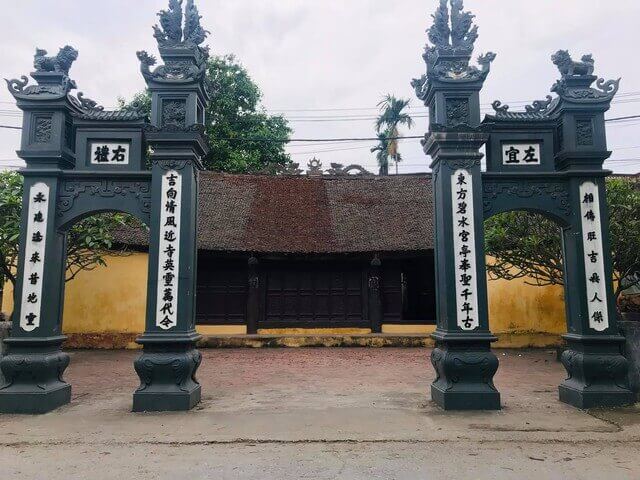
On May 16, 2024, the Minister of Culture, Sports and Tourism signed and issued Decision No. 1328/Decision - Ministry of Culture, Sports and Tourism on the ranking of national architectural and artistic relics for with Dai Hanh Communal House, Hoan Long commune, Yen My district, Hung Yen province. Dai Hanh Communal House is one of many relics in Hung Yen province worshiping Holy Chu Dong Tu - Princess Tien Dung and Tay Sa princess of the 18th Hung King's reign. These are the Three Saints and are listed among the Four Immortals. in the Vietnamese spirit system. At the same time, we can consider Chu Dong Tu as the founder of Vietnamese commerce, the first person to expand international trade and commerce. Dai Hanh communal house was built early and restored during the Later Le and Nguyen dynasties. Currently, the communal house has an overall layout in the shape of a Cong letter, including the Dai Bai building with 03 compartments and 02 wings, the Morning Glory 01 compartment and the Hau Palace with 03 compartments. The architectural structures are made of wood with many beautiful carvings, especially the Dai Bai building, which still retains almost intact the typical carved architectural mark of the Later Le period, showing many decorative themes and classics. Folk tales are extremely rich and diverse such as: four sacred animals, four precious animals, pine buds, pheasants,... bearing the architectural and artistic styles of the Later Le and Nguyen dynasties. In addition, the communal house also preserves many valuable typical relics such as: Great characters, parallel sentences,... According to the decision, the relic protection area is determined according to the Minutes and Maps delineating the relic protection areas in the file. The Ministry of Culture, Sports and Tourism assigns the People's Committees at all levels where ranked relics are located, within the scope of their duties and powers, to carry out State management of the relics in accordance with the provisions of law. Law on cultural heritage. Source: Department of Culture, Sports and Tourism.
Hung Yen 3798 view
DRAGON'S CAVE
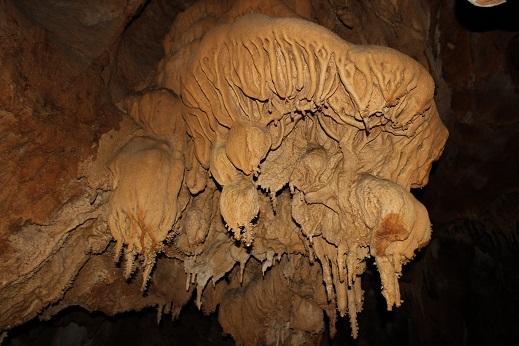
With the captivating beauty of stalactites created by nature in many different shapes: Each stalactite is as big as a kohlrabi root or a cabbage, one after another, forming a circle that radiates down like a crystal chandelier of a house. luxury villas; or create a pillar supporting the sky with many meticulous patterns; Sometimes there are images of Buddha "Avalokiteśvara Bodhisattva" and "Buddha Tathagata" sitting and chanting sutras. Occasionally, stone arms appeared like long, swimming tentacles of jellyfish, which my friend who was with me accidentally tapped on, emitting melodious sounds like the sound of the talu of the Van Kieu ethnic people. Therefore, some people have likened Dragon Cave to a miniature image of "Thien Cung Cave" of Ha Long Bay on the Stone Plateau; with two caves with a total area of about 300m2 but has kept many tourists from wanting to return. Because of such captivating beauty, Dragon Cave has been ranked as a national monument by the Ministry of Culture, Sports and Tourism. SOURCE Dan Viet Electronic Newspaper
Tuyen Quang 4030 view
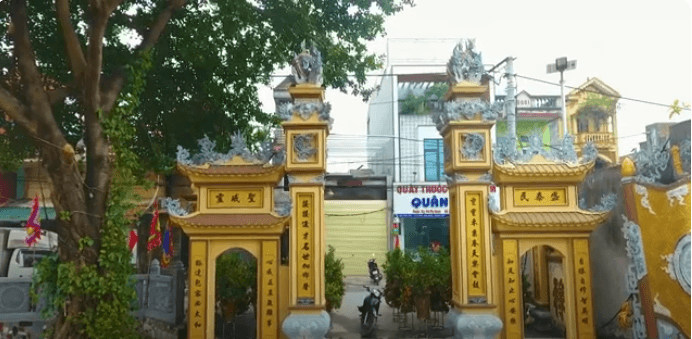
Dinh Tho Nham Ha
According to the Divine Tales and Divine Identity of Kim Dong district and local documents, Tho Nham Ha communal house worships Saint Tam Giang, also known as Tam Giang Dai Vuong. He was born into a family of 5 brothers during the reign of King Ly Nam De, who followed Trieu Quang Phuc to fight the Luong invaders. The communal house was built very early. Initially, the communal house was small-scale, made of simple bamboo and leaf thatch materials. Over time, the communal house was restored and embellished many times under the Later Le and Nguyen dynasties. The current architectural imprint of the communal house comes from a major restoration during the Nguyen dynasty in the 15th year of Bao Dai (1940) with a grand architectural scale, including many construction items: Great altar, Hau palace, ritual gate. , communal well, dance hall, stele house,... Tho Nham Ha communal house's ritual gate consists of three gates: The middle gate is built in the form of a pillar and is much wider and taller than the two side gates. The top of the main pillar is covered with "four phoenixes gathering tails" (four phoenixes with their tails together). The lantern's umbrella is decorated with four sacred animals (dragon, unicorn, tortoise, phoenix), and tiger talisman with the word Tho. The body of the pillar is built square, covered with edges, embossed lines and parallel sentences with Chinese characters. The two side gates are made in the style of a two-story, eight-roofed stack of matches. The roof line is covered with pliers holding the tip of the roof edge, and in the middle is an image of the sun with fiery blades. The upper and lower roofs are covered with imitation tube tiles, and the knife heads are decorated with soft patterns. The neck of the match is embossed with Chinese characters. The body of the side gate is built square, covered with edges, embossed lines and parallel sentences with Chinese characters. Through the large yard, you will reach the main worship area with a Dinh (丁) structure, including 05 compartments, 02 Dai Bai wings and 03 Harem compartments, the facade faces southwest, the architectural structures are made of wood with bold architectural features. Nguyen Dynasty architecture. The main pavilion is made in the style of a gable wall, with a roof made of tiles. The roof is a road built of bricks, covered with mortar to create parallel ridges. The center of the roof is decorated with the image of two dragons flanking the sun, the dragon has three healthy bends, its head raised high. At the end of the roof line are two square poles at the bottom and two dragon-head-shaped pliers opening their mouths to suck on the roof edge, the tail is a twisted pattern shaped like a question mark "?" The large spine runs from the head to the back, the whole body flanking the center of the roof. The strip edge is built perpendicular to the roof line in a stepped style, leaving it unadorned. At the end of the strip are two mezzanine walls and two symbolic pillars. The bronze column is 7m high, the top of the column is covered with a stylized dragon scroll with gardenia fruit, 4 kneeling legs, 4 corners covered with 4 phoenixes. The lantern's umbrella is embossed with four sacred animals (dragon, unicorn, tortoise, phoenix). The column's body is square, embossed, embossed, and displays 3 pairs of parallel sentences in Chinese characters. Separating the Dai Bai and the porch are three doors. The communal house's door is made in the style of a table-shaped door. Each door consists of four wings placed parallel to each other on the sill connecting two military columns, creating a continuous, solid connection between the components in the overall architecture of the communal house. The doors all have rotating pillars, latches, and pins. The table door support is a threshold so that the door system does not come into contact with the soil, causing mold, damage, or decorative patterns of the seal and leaves on the roof. The upper part of the door frame has rows of bars and carved panels decorated with the four sacred animals and four precious animals. The floor of the Dai Pagoda is tiled with square tiles. The load-bearing frame of this building is firmly positioned by a system of main columns, military columns, beams, rafters, etc. The system of columns stands in parallel rows in pairs (including 12 female columns and 12 military columns). The columns inside the temple all have the structure of "upper and lower seasons", and are placed on the base of the platform. The sets for the Great Pagoda are made in the style of "for a pile of beams". The beams are crafted to be blocky, strong and sturdy, decorated with soft leaf patterns, placed on squares decorated with the word Tho. Because the armpits are made in the style of bamboo shoots, decorated with the four sacred animals (dragon, unicorn, tortoise, phoenix) and the four precious animals (pine, bamboo, chrysanthemum, apricot) very vividly. Under the hitch are two extra heads decorated into two dragon heads with wavy swords, long hair and beard flying out the back and a fish turning into a dragon. This part has a load-bearing and decorative effect, reducing the roughness of the parts. The royal harem consists of 03 rooms, divided into two parts, separated by a door system including: The outer harem has 01 compartment and the forbidden palace has 02 compartments. Just like the Great Pagoda, the Harem palaces are made in the style of "for husband and wife". The entire Harem roof is placed directly on the column system, the surrounding walls are covered with tiles. The outer harem is connected to the Great Temple. In particular, there is also preserved a jade green ceramic incense bowl with clearly visible cloud patterns and 5 squares of dragon-shaped patterns in the middle of the word Tho, dating from the Le Canh Hung period. On the right side of the altar of Tam Giang the Great King is placed the altar of Princess Que Hoa. The statue of Mrs. Que Hoa is placed in an altar decorated with bamboo structures, double panels, and glass frames. The statue is made of bronze, 61cm high, 32cm thick at the shoulders, 43cm thick at the hips. The statue is carved in a sitting position on an octagonal gilded pedestal, with a relaxed figure like a princess in court, and a beautiful face; The neck has 3 chins, the ears have golden buds, the head is wearing a crown, the neck is wearing a 4-ring necklace, the body is wearing a brocade shirt, the shirt is decorated with embossed gold coins between the word Tho. The left hand is placed face down on the thigh, the right hand is placed on the thigh tilted into the lap. In addition, the altar is also decorated with many valuable worship objects such as: copper tops, copper candlesticks, porcelain incense bowls, etc. Currently, Tho Nham Ha communal house still preserves a number of beautifully carved artifacts and worship objects with historical and aesthetic value dating back to the Later Le and Nguyen dynasties such as: celadon porcelain incense bowls, 04 Great paintings, 03 pairs of parallel sentences, 03 mottos, 04 ordinations (1 Thanh Thai, 3 Khai Dinh), 02 altars, 01 bronze top, statue of Princess Que Hoa,... With the above typical values, Tho Nham Ha communal house, Tho Vinh commune, Kim Dong district, Hung Yen province was ranked as a Heritage site by the Minister of Culture and Information (now the Ministry of Culture, Sports and Tourism). national architectural and artistic achievements according to Decision No. 78/2004/Decision - Ministry of Culture and Information dated August 23, 2004./. Source Department of Cultural Heritage.
Hung Yen 3528 view
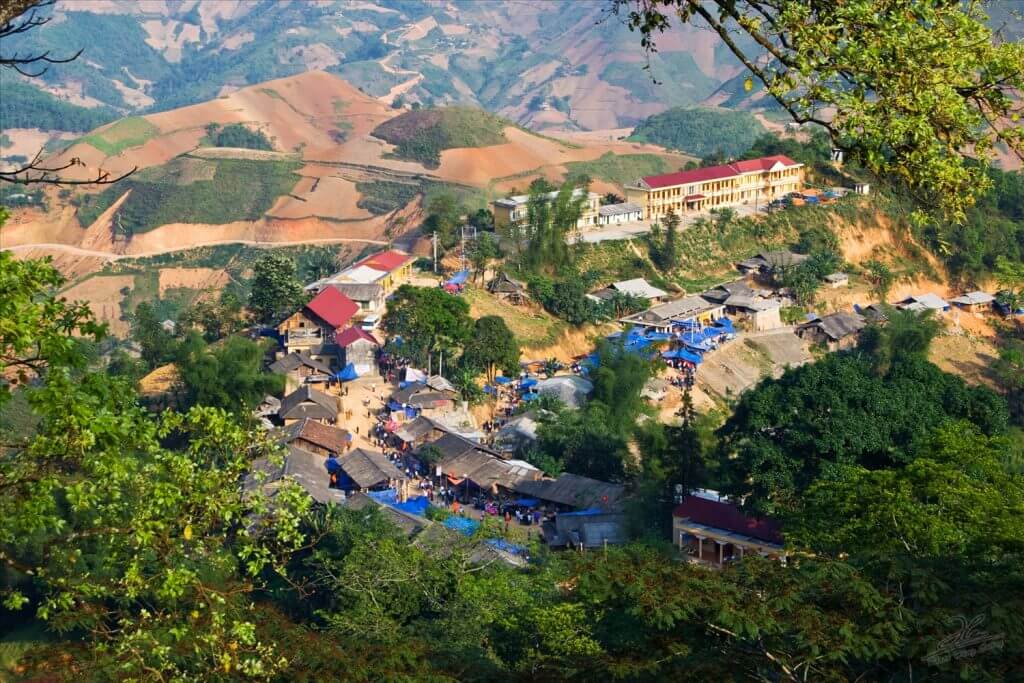
Khau Vai love market
Khau Vai Love Market is a historical and cultural relic signed by Mr. Dam Van Bong (Chairman of Ha Giang Provincial People's Committee) on April 25, 2011. Khau Vai love market, also known as Phong Luu love market, has a history of more than 90 years, taking place only once a year in Khau Vai village (Khau Vai commune, Meo Vac district, Ha Giang). It is a market where couples of Mong, Tay, Nung, Giay... who love each other but are not meant to be married meet once a year in Khau Vai. Khau Vai love market starts on the night of the 26th and ends on the evening of the 27th of the third lunar month. Later, Khau Vai love market was also a dating place for couples, attracting many domestic and foreign tourists. SOURCE: Vietnam Event Media
Tuyen Quang 4156 view
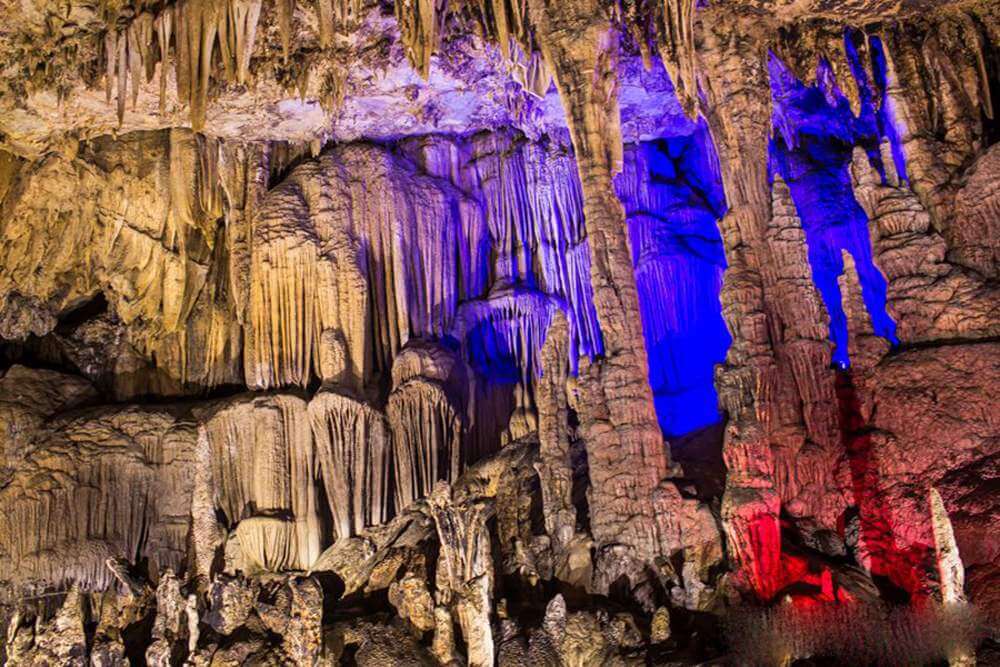
Hang Tien
Hang Tien is located in the heart of a mountain range of soil mixed with limestone, covered with forests. The cave was formed by the geological tectonic process (Karst), limestone was washed away by rainwater passing through a system of cracks. The cave is connected to the outside by a single door, inside the cave is dome-shaped, stalactites appear densely throughout the walls and ceiling of the cave, many stalactite columns stretch from the ceiling to the cave floor. Inside the cave, the emulsion process is still going on because water from the ground seeps through the ceiling and walls of the small cave, extending from the cave entrance to the inside of the cave entrance, nearly 200m long. The stalactites have many different shapes, sizes, and colors such as lions, birds, fish, elephants, dragon heads, lanterns, the shapes of roses, lotus, chrysanthemums, especially the shapes of A young girl is sewing and mending clothes... These stalactites must have gone through thousands of years of creation and formation. Hang Tien is preserved in its original state, without any human impact or abuse. Hang Tien is about 500m from the Community Tourism Cultural Village of Chi village, about 3 - 5km from the Community Tourism Cultural Villages of Then village and Chang village, Xuan Giang commune. The location of Tien Cave is quite convenient for visitors to experience, the road to the cave is not far and is easy to navigate, including the paths inside the cave. Therefore, Tien Cave has the potential to exploit and develop tourism in the future for tourists to visit and experience during their stay in Xuan Giang commune in particular and Quang Binh district in general. SOURCE: Discover Ha Giang
Tuyen Quang 4063 view
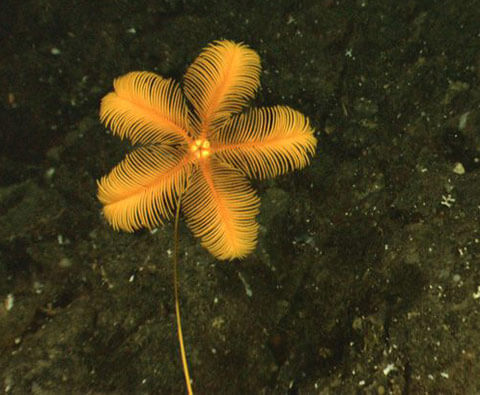
Sea Lily Fossil Area
The Ministry of Culture, Sports and Tourism issued official dispatch No. 3087,3088,3089/QD-BVHTTDL dated September 23 on the classification of a national monument for scenic spots for the Hue Bien Fossil area in Ha Giang province. As a border highland province, the terrain is difficult to travel and the climate is relatively harsh, but Ha Giang is blessed with many beautiful landscapes. The Sea Lily Fossil area - a scenic spot in the province has officially become a National Monument. The Sea Lily Fossil Area is a location where larger sea lily fossils have been discovered than elsewhere, and are also more densely distributed. The scientific name of the sea lily is Endoxocrinus parrae. The reason this flower is named Sea Lily is because its shape resembles a flower clinging to the bottom of the ocean. They are the oldest group of echinoderms still alive today. Scientists have found about 5,000 fossil specimens and more than 600 species currently live in this scenic area. SOURCE: MEO VAC DISTRICT ELECTRONIC INFORMATION PAGE
Tuyen Quang 3955 view