Relic point Vietnam
Việt Nam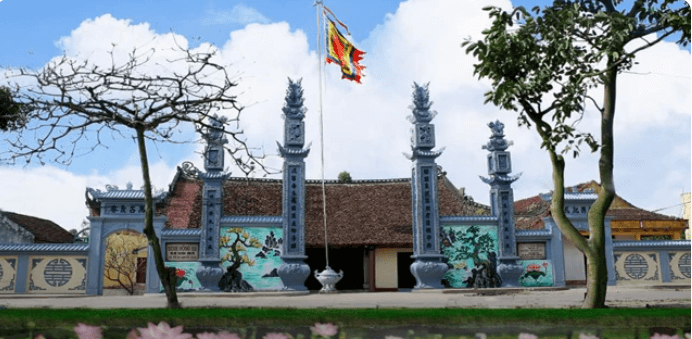
Dong Ha Communal House
Dong Ha Communal House is located on a high, airy land right in the center of the village, in front is the communal pond - a place where luck gathers. Based on the inscription of the 4th year of Canh Tri, the monument was conferred from the Later Le Dynasty (1783), built by the people of Duc Chiem commune, and restored for the first time in the year of Canh Ngo under the Nguyen Dynasty and the second time in 1991. Dong Ha Communal House worships King Luu Lang, who was instrumental in quelling 12 armies with Dinh Bo Linh. The communal house also records many local historical events during the revolutionary resistance war against the French and Americans. The communal house's architecture was built in the Dinh style, including: Dai Bai and Hau Cung. From a distance, we can see the 4 roofs of the monument with 4 curved sword heads thanks to a special structural system called the roof-roofed sword ship. To create the majesty of the monument, ancient artisans embossed images of dragons flanking each other, phoenix moms and Nghe lying down in front of each other. The roof, strip, and gully edges of the communal house are decorated with lemon flower umbrellas, this is an artistic feature that often appeared in the 17th century. Dai Bai has 5 compartments with 2 long, open spaces, each compartment is 4m wide, each compartment is 0.7m wide with a total area of 300m2. The entire column system is made of whole ironwood trees in the style of "upper and lower autumn, challenging summer" and placed on the stones according to the yin and yang style of "square bottom and round top". The two middle compartments have two sets because they are made in the style of a gong stand stacked on a bed and are stylized into leaf guillotine and knife-shaped patterns; The fighting cocks are carved in the shape of the word Tho; The plaques are embossed in the shape of a dragon's tail and connected to the remaining ends. The remaining heads of the Le Dynasty were shaped like majesty and powerful fire swords. Therefore, if you stand below and look up, you will see an intact dragon image. The harem consists of 3 rooms with a simple gong stand architecture made of ironwood. In the middle is an altar decorated with two thrones worshiping Le, with the throne's feet kneeling in a tiger-shaped style. The throne's arms are stylized with flying phoenixes. Tablets decorated with dragons, lemon flowers... Currently, Dong Ha Communal House still preserves a number of valuable artifacts such as memorial stele inscribed with the 4th year of Canh Tri, 5th post-Khai Dinh stele, palanquin, dragon throne, tablet, top, bronze candles, ordained... The communal house is still well preserved and is a place for cultural and religious activities of local people. With the above values, Dong Ha Communal House, Duc Hop Commune, Kim Dong District, Hung Yen Province was ranked as an Architectural Monument by the Minister of Culture and Information (now the Ministry of Culture, Sports and Tourism). national art according to Decision No. 78/2004/Decision - Ministry of Culture and Sports dated August 23, 2004./. Source Department of Cultural Heritage.
Hung Yen 3733 view
Ky Dai Square March 26
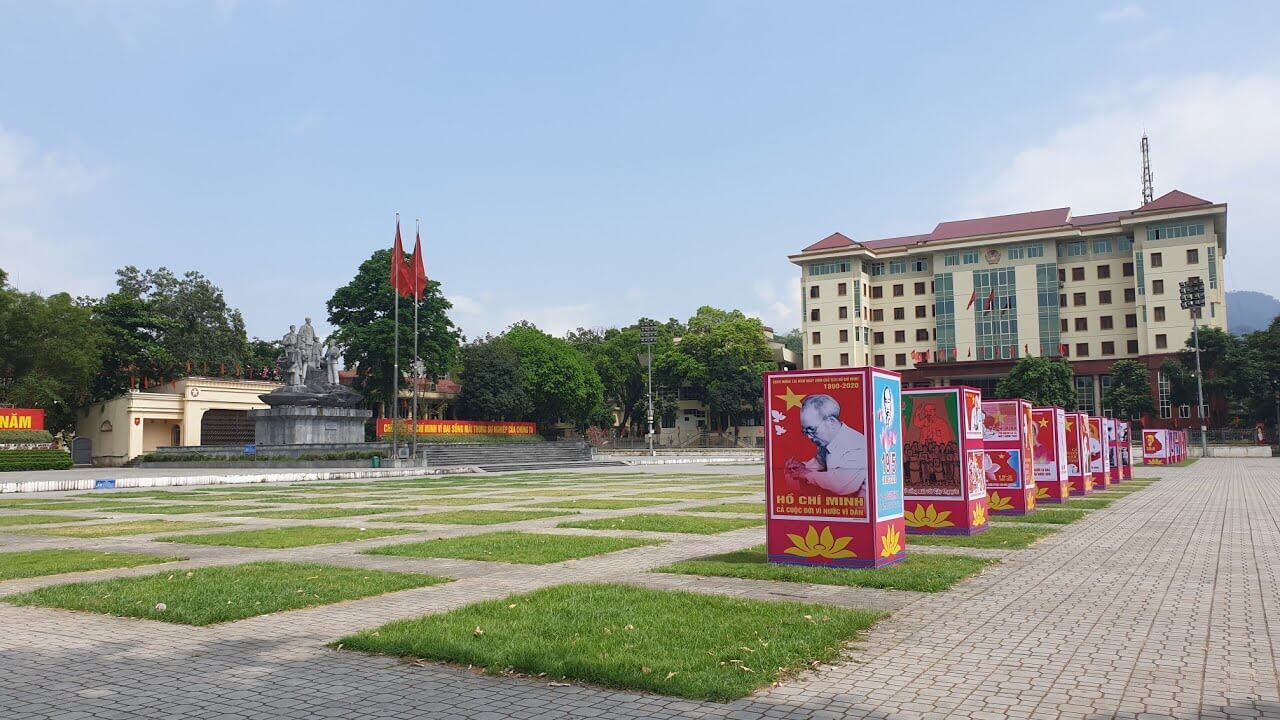
Ky Dai March 26 Square, is the old location of the former "Stadium" of Ha Giang City. In 1959, Ky Dai was built to meet the needs of cultural, arts, and sports activities of ethnic people in Ha Giang province. In the early spring of 1961, Uncle Ho visited Ha Giang province. On the beautiful morning of March 27, an important historical event took place in Ky Dai, that is, all officers, soldiers, armed forces and Ethnic people in the province met Uncle Ho. Ky Dai became a historical relic, here, the monument of Uncle Ho and Ha Giang ethnic people was built and inaugurated in 2005, to forever remember the historical event of Uncle Ho and Ha Giang. Ky Dai has been restored, the old Stadium has been upgraded into a Square of Ha Giang province and Ky Dai has become a traditional educational place for generations of children of ethnic groups in the province. SOURCE: HA GIANG CITY ELECTRONIC INFORMATION PAGE
Tuyen Quang 4302 view
Quan Ba Twin Mountains
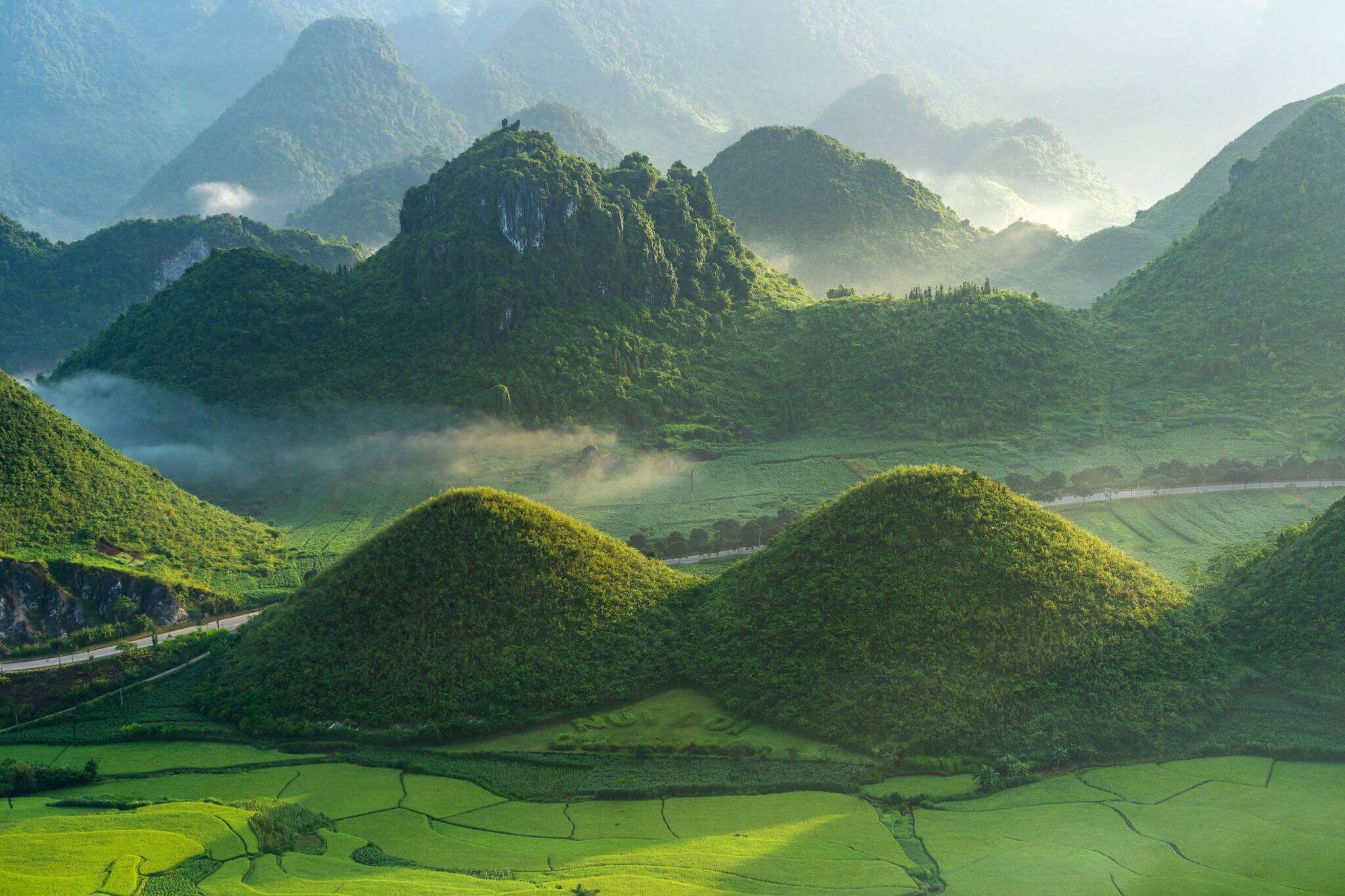
Quan Ba Twin Mountains seem to be a very familiar destination for travel lovers. This place always has a strange attraction for tourists. The image of Quan Ba twin mountains has a very unique characteristic. This twin mountain is like a special highlight among the mountains and forests. The two mountains are located in the southwest area of the Dong Van Stone Plateau. The twin mountains are a symbol of the richness of the land they reside on. Quan Ba Twin Mountain is also known by other names: Twin Mountain or Co Tien Mountain. They were formed between 1.6 million and 2 million years ago. The mountain has a round shape, as full as the chest of a sleeping fairy. It seems that anyone who comes to Ha Giang will come and check-in with this natural masterpiece. Quan Ba Twin Mountains attract tourists not only because of the uniqueness of the two mountains. An equally impressive highlight is the rich and beautiful natural scenery that surrounds this place. The Creator has been very kind when giving this place a wonderful landscape. Visitors will be able to see the long stretches of rice fields. Mixed in there are green undulating mountain ranges. And at each different time, Quan Ba mountains and forests bring their own unique colors. This unique thing is the unique highlight that has attracted so many tourists. No matter how many times you come here, you always have different feelings. It can be said that Quan Ba twin mountains are like a symbol of Ha Giang. And this place was created hundreds of millions of years ago. This is a product created based on the creation of nature. Along with that, the faulting of the earth's crust has contributed to the creation of limestone mountains. Quan Ba Twin Mountains have been recognized as a national relic and scenic spot of our country. This typical image is like a highlight of Ha Giang land. It would be a pity if you come to Ha Giang and miss this attractive destination. Only once you have to come here and see it directly can you feel this wonderful beauty. Quan Ba Ha Giang Heaven Gate - Twin Mountains is considered the "gateway" that opens the way to conquer the Dong Van stone plateau area. You can review and research carefully to create a complete schedule. That will help you have a complete journey of discovery. SOURCE: Vietnam Booking
Tuyen Quang 4420 view
Hoang Su Phi terraced fields
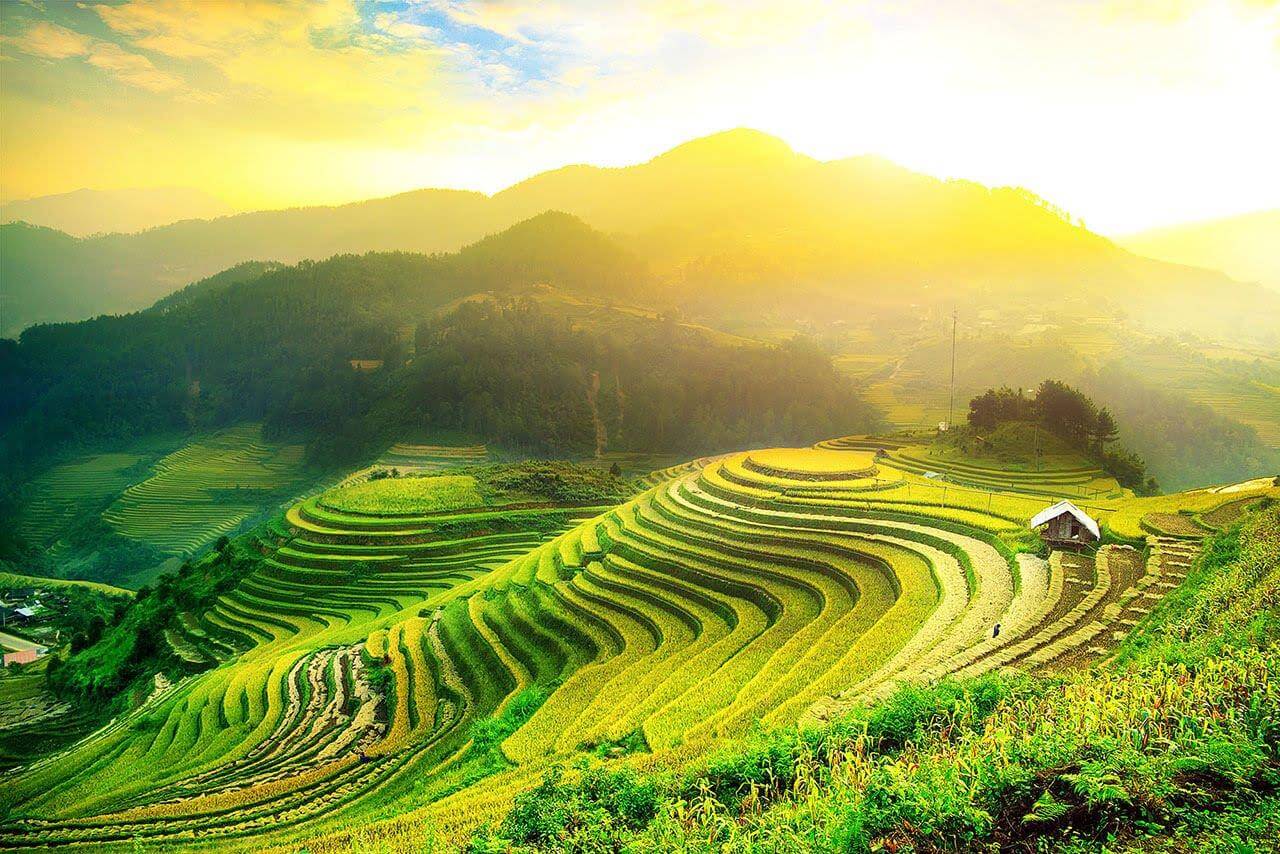
As a highland mountainous district in the west, Hoang Su Phi has long been famous for the most beautiful terraced fields of Ha Giang, stretching across the mountain slopes, which are considered a testament to extraordinary determination. and the ability of the ethnic communities here to renovate and conquer nature. Since being recognized as a national heritage site in 2011 and 2016, Hoang Su Phi terraced fields have become increasingly famous, becoming one of the typical tourism products of Ha Giang thanks to its historical values. history, culture and artistic landscape. “The difference of Hoang Su Phi terraced rice landscape is that it has many levels, winding and running from the streamside to the top of the mountain. Mixed in there are primeval forests, ancient tea fields, houses and rivers and streams, creating a harmonious and colorful picture of nature. The entire Hoang Su Phi district currently has over 3,720 hectares of terraced fields spread evenly across 24 communes and towns, of which 675 hectares have been ranked as a National Monument of Scenic Rice Terraces by the Ministry of Culture, Sports and Tourism. ladders in 11 communes including: Nam Ty, Thong Nguyen, Ho Thau, Ban Luoc, San Sa Ho, Ban Phung, Thang Tin, Nam Khoa, Po Lo, Ban Nhung, Ta Su Choong. SOURCE: VIETNAM NATIONAL TOURISM BUREAU
Tuyen Quang 4140 view
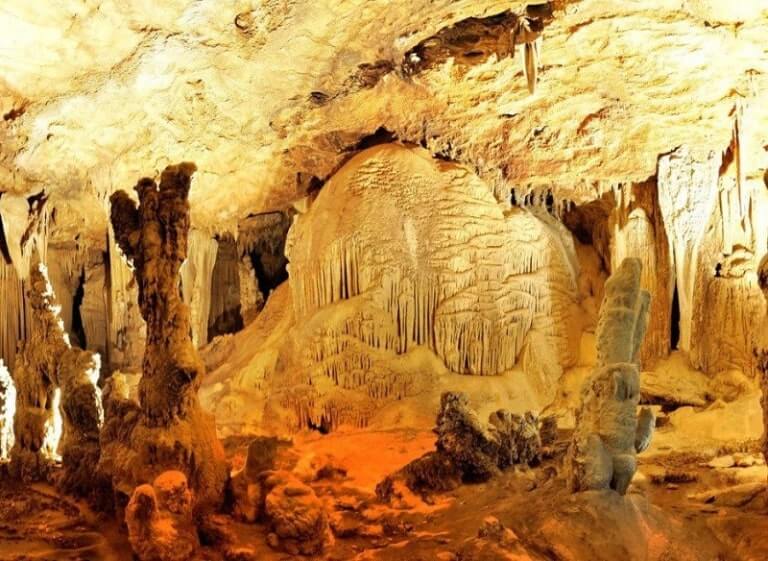
Na Luong Cave
The scenic Na Luong cave, located in Mau Long commune, Yen Minh district and Sung Trai commune, Dong Van district (Ha Giang) has officially become a National Monument. The above information has been confirmed by Deputy Director of the Department of Culture, Sports and Tourism of Ha Giang province, Trieu Thi Tinh. Na Luong cave scenic spot is located about more than 25 km from the center of Yen Minh town. This cave was discovered by scientists in 2010 and has been considered the most beautiful cave compared to other caves that have ever been discovered in Ha Giang province with majestic natural landscapes and poetic nuances. , shimmering and magical. The cave entrance is over 30 meters wide and is covered with rare types of wood such as: grinds, nails, slices... In particular, caves in limestone mountains are one of the most popular types of geological heritage of the Park. Global geology of Dong Van Karst Plateau. Over thousands of years of tectonics, the cave has created many stalactite columns with interesting shapes and sparkling colors like diamonds; The cave is very wide and deep, divided into many successive compartments, attracting a large number of tourists. According to Mr. Hoang Van Vinh, Secretary of Yen Minh District Party Committee, Ha Giang province: Immediately after being recognized as a National Monument, Yen Minh district deployed functional units to protect Na Luong cave in order to preserve the cave. original pristine beauty. The district also promoted propaganda and campaigned for ethnic minorities and tourists not to exploit stalactites in the cave; Do not hunt animals and birds to protect the ecological environment. At the same time, invest, upgrade and build the scenic Na Luong cave to become an attractive tourist destination for tourists coming to Dong Van Karst Plateau Global Geopark./. SOURCE: VIETNAM NATIONAL TOURISM BUREAU
Tuyen Quang 4083 view
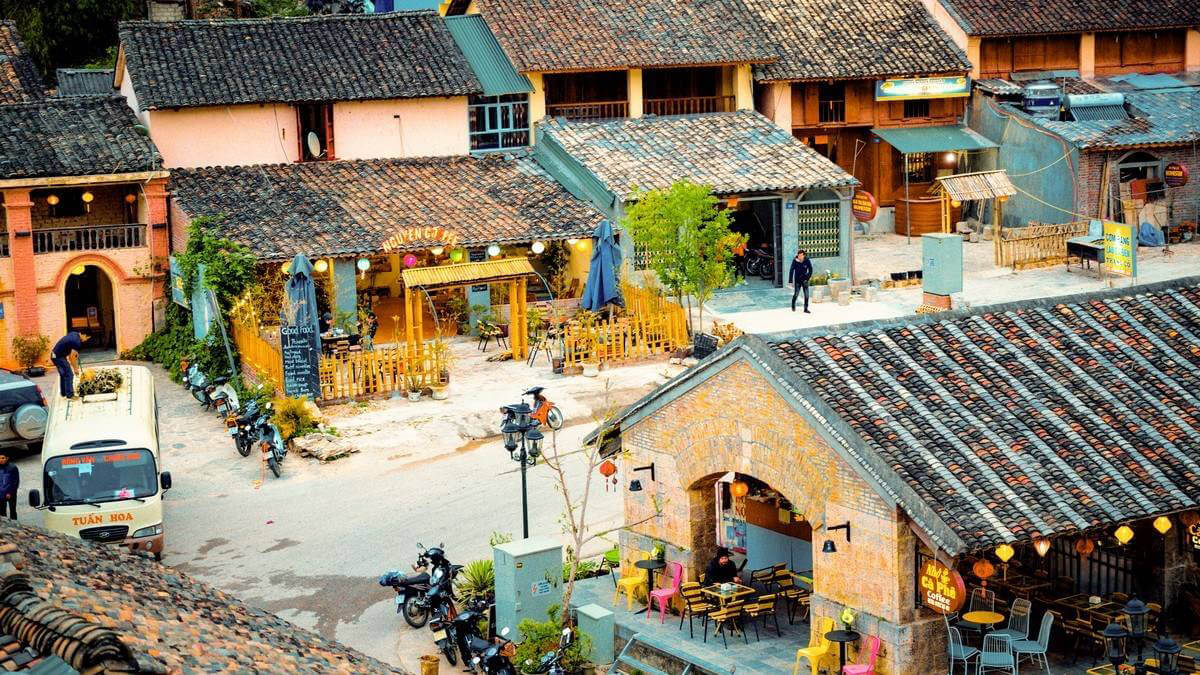
Dong Van ancient town
According to sources of the People's Committee of Ha Giang province, Dong Van ancient town (belonging to Dong Van town, Dong Van district, Ha Giang) formerly belonged to Dong Quan canton, Nguyen Binh district, Tuong Yen district, Ha Tuyen province. Afterwards, it merged into Bao Lac province, managed by a Tay mandarin named Nong in Bao Lac. When the French colonialists occupied, Dong Van was separated from Bao Lac. In 1887, the Dong Van area was occupied by the French colonialists and to facilitate colonial rule, they divided Dong Van into small continents, each headed by a ruling family. The land of Dong Van at that time was governed by the Nguyen family, Mr. Nguyen Chan Quay. Previously, the old town was just a wild, sparsely populated valley. By the end of the 19th century and the beginning of the 20th century, when the French occupied Ha Giang, with the intention of turning this area into a busy trading center, Dong Van old town was built and formed, the first person to plan It was decided and built by Mr. Luong Trung Tu - chief of Dong Van town at that time. After that, many ancient houses were built in two rows surrounding the market and extending to the foot of the mountain. In addition, in the ancient town there is also a market where people of all ethnic groups trade. On market days, Mong, Pu Peo, and Lo Lo young women dressed in ethnic costumes from far away villages come to the market to shop, meet, and exchange essential goods... Through many ups and downs of history, Dong Van old town still preserves about 40 ancient houses, most of which have 2-story walls and yin-yang tile roofs over 100 years old, especially houses over 200 years old. five to nearly 300 years old, along with a number of other unique ancient architectural works... With unique historical, cultural and architectural values, Dong Van ancient town has been recognized by the Ministry of Culture, Sports and Tourism as a National Architectural and Artistic Monument under Decision No. 4195/QD- BVHHTDL on November 16, 2009. SOURCE: Central Agency of the Communist Party of Vietnam
Tuyen Quang 3945 view
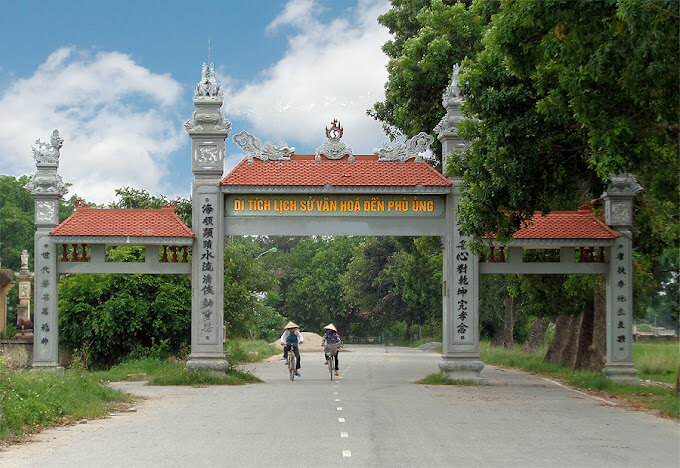
Phu Ung Temple
Phu Ung Temple is located in Phu Ung village, Phu Ung commune. This is a massive, rich and unique architectural complex consisting of the main part of the temple and many auxiliary works, distributed in garbage strips, interspersed with residential areas. According to feng shui theory, the relic cluster was built on the land of the dragon's head, which is a good place with the earth position "Seven spirits respond, human figures worship generals, elephants kneel on horses and horses, next to the pen is the study, the flag is next to the sword." , in the middle there is a pearl tissue, next to the Mekong River like a meandering dragon, with the dragon's head being the land for the temple protruding completely out of the village. Phu Ung Temple worships Pham Ngu Lao (1255 - 1320), a famous general of literature and martial arts, who was highly trusted, trained, recommended to the court by Hung Dao Dai Vuong Tran Quoc Tuan and became an assistant general. King Tran dynasty. He was born in Phu Ung village, Duong Hao district, Thuong Hong district, Dong province (now Phu Ung village, Phu Ung commune). His life was associated with battles and resounding and glorious victories, contributing with the Tran Dynasty's army and people to defeat the Mongol invaders, bringing peace to the country and a prosperous and happy life for the People. people. Pham Ngu Lao died at the king's palace in Thang Long and was honored by the king as "Highly blessed god". The temple is a complex of monuments with massive architecture, large scale and quite complete, divided into two areas: Inner area and outer area. The outer area includes the main temple of the Royal Palace of General Pham Ngu Lao. The main hall consists of 5 front and back halls and 3 back halls containing a statue of General Pham Ngu Lao, cast in bronze dating back to the Nguyen Dynasty, weighing 300kg in a sitting position; On the left is the Mausoleum worshiping Duc Tien Cong, across the street is the shrine worshiping the Mother Goddess; Khue Van The octagonal structures... The inner area is arranged in the style of "First God, then Buddha" including the temple of Princess Tinh Tue (daughter of Pham Ngu Lao), Bao Son Pagoda (Cam An Pagoda), Mausoleum of Quoc Cong Vu Hong Luong is made of green stone with typical and unique stone carving architecture of the Later Le period of the 17th century. Currently, at the Phu Ung temple relic complex, a number of artifacts of historical and artistic value are preserved, including stone sculpture systems, bronze statues, great characters, parallel sentences, and silver bowls of the Nguyen Dynasty. , ordained,… The traditional festival of Phu Ung temple is held from the 11th to the 13th of the first lunar month, to commemorate the military debut of General Pham Ngu Lao. The festival includes a ceremony and a festival that combine both solemnity, solemnity, bustle, and joy. This is one of the province's major early spring festivals attracting a large number of people to participate. The festival also organizes folk games such as Chinese chess, cockfighting, puppetry, tug of war, Quan Ho singing, asking for words in early spring, tickle wrestling competitions, sim dong dancing... attracting a large number of visitors to watch. and participate. Besides folk games, a number of sports activities such as volleyball, badminton, Chinese chess... take place vibrantly, helping people immerse themselves in the festival as well as have the opportunity to have fun, rest, and pray. a lucky working year. The festival is imbued with profound cultural values. This is not only an opportunity to commemorate the merits of the famous general Pham, but also to educate future generations about the will to rise, about patriotism, and demonstrate the culture of Vietnam. longstanding dedication of the nation. From those typical and unique values, the Phu Ung temple relic area was ranked by the Ministry of Culture as a National "Historic" relic according to Decision No. 1288-Van Hoa /Decision dated November 16, 1988. Source Electronic information portal of An Thi district, Hung Yen province.
Hung Yen 3949 view
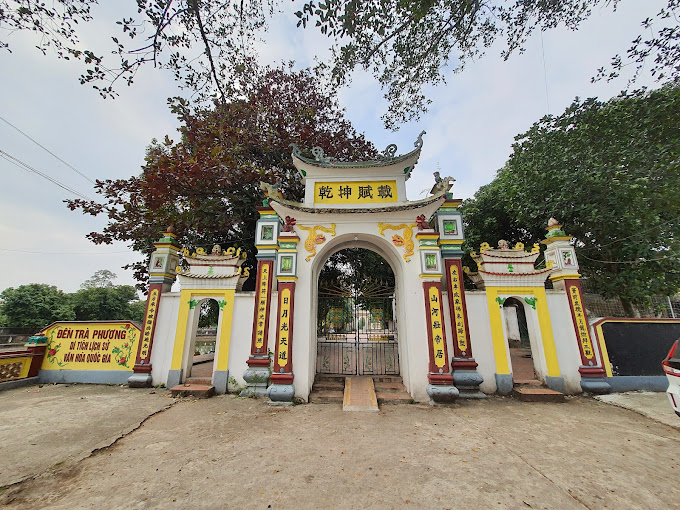
Tra Phuong Temple (Dau Che)
Tra Phuong Temple (literally called Che Nhang Temple, Dau Che Temple) is located in the center of Tra Phuong village, Hong Van commune, where the land is beautiful and airy, the front facing south. According to legend, the temple was built on the land of "dragons adoring and tigers serving", so many sons of the homeland became famous in all parts of the country. The temple was built to worship the angel, the Jade Emperor, Thai Thuong Lao Quan; worshiping Hung Dao King Tran Quoc Tuan - the man who led the Tran Dynasty's army and people three times to defeat the Yuan - Mongol invaders of our country. In addition, the temple also worships the native Tutelary God, the ancestors of 12 families and famous people who have built villages and fought against foreign invaders. During the war, the temple was also a revolutionary base for a large area of southern Hung Yen, a center for spreading the revolution, a patriotic traditional educational facility for many generations, and a place to hide Protected many central, provincial and district officials in directing the resistance and served many conferences at the temple, sometimes secretly as well as publicly. The temple was built during the reign of King Le Trang Tong and restored during the Nguyen dynasty. Currently, the temple has an "inner Cong and foreign foreign" style architecture including: An altar, a tube of morning glory, a harem and two rows of Giai vu. The altar was restored in the 18th year of Thanh Thai (1906). This building still retains many beautiful carvings, the most beautiful being the armpits in the central space carved with the themes of four precious dragons and four sacred animals with delicate lines. cunning. The Ong Sang Tower consists of 05 compartments, the vertical structure was built in the first year of Minh Menh (1820), the tables are crafted in the style of a husband and wife fighting a lotus, the walls are embossed with the head of a flanking dragon, with the theme of four sacred animals. The harem consists of 3 long rooms with simple architecture, but this is an item that still retains traces from the time the temple was built. Currently, the temple still preserves a number of very valuable artifacts such as: porcelain cups, incense bowls, water hyacinths, incense burners, etc. To commemorate the merits of the gods, villagers often organize festivals on February 2. The occasion is November 9 and March 8 of the lunar calendar every year. During the festival there are often ceremonies to pray for good fortune, water offerings, burning of cotton trees and many folk games. Today, the festival takes place more simply but still ensures traditional rituals and attracts a large number of people and visitors from all over. From its inherent values, Tra Phuong Temple is ranked as a National "Historical and Architectural - Artistic" relic according to Decision No. 68-Culture/Decision dated January 29, 1993 of the Ministry of Culture. - Information. Source Electronic information portal of An Thi district, Hung Yen province.
Hung Yen 3831 view
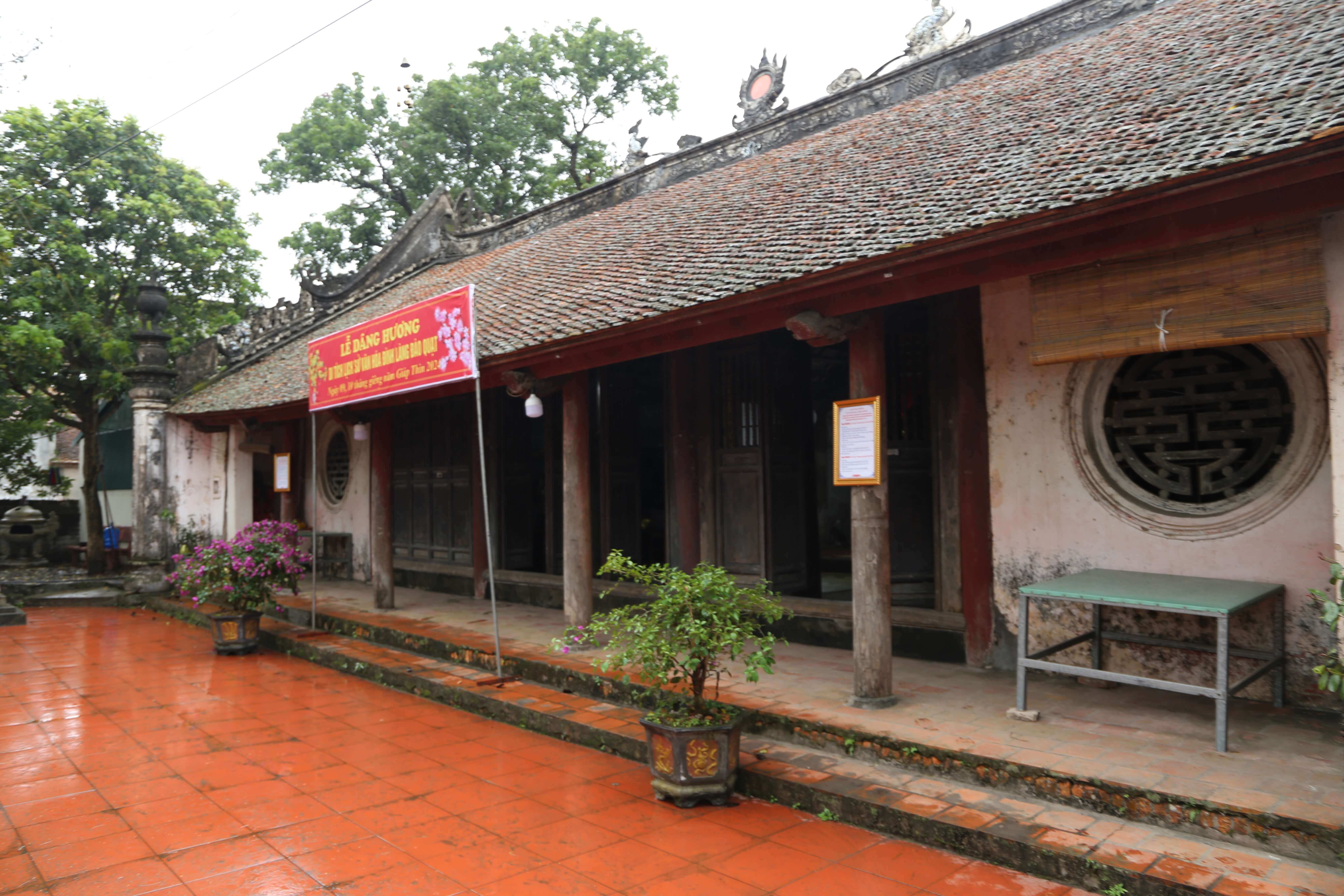
Dinh Dao Fan
Dao Fan Communal House is located on a high, airy area of land in the middle of Dao Fan village, Bai Say commune. In the past, the people of Dao Fan village were famous for their fan making profession and they were very proud of their village's traditional communal house. According to legend, Dao Fan communal house is a place to worship Dao Cong Chi, a martial general of the Ly Dynasty who helped fight the Champa invaders in the early 11th century, bringing a peaceful and prosperous life to the people. When he died, King Ly deeply pitied his talented general, ordered his officials to perform a eulogy, awarded him a lot of gold and silver to make incense, set up a temple and proclaimed him Great King. He was worshiped by local people as the village tutelary god. Legend has it that Dao Fan communal house was built after the death of general Dao Cong Chi, and was initially just a small temple. During the Later Le Dynasty, people carried out renovations. During the Nguyen Dynasty, the communal house was restored on a large scale. Currently, the communal house has a Cong-style architecture including 05 Tien Tien spaces, with a husband and wife fighting lotus style architecture. The center has 03 rooms, the sets are arranged in the style of stacking gongs and gongs. The harem has 03 rooms, the structure is simple in the form of stacked beams. On the pillars, the system of intricately and intricately carved motifs of four sacred animals and dragons... The communal house also preserves many valuable artifacts such as: 18 ordinations from the Le to Nguyen dynasties. , stone stele dated 1758, stone altar, 03 lotus stones of the Le Dynasty with 09 very vividly stylized lotus petals. Every year, on the 10th day of the first lunar month, the people organize a solemn festival to commemorate the death of the general. In the past, during the festival, there were sacrifices, palanquin processions, thrones and statues of gods, color processions, and military drum singing. Today, the festival is organized simply but still ensures traditional cultural rituals. With typical architectural values, Dao Fan communal house has been ranked as an "Architecture - Art" relic by the Ministry of Culture and Information issued Decision No. ” National level. Source Electronic information portal of An Thi district, Hung Yen province.
Hung Yen 3668 view
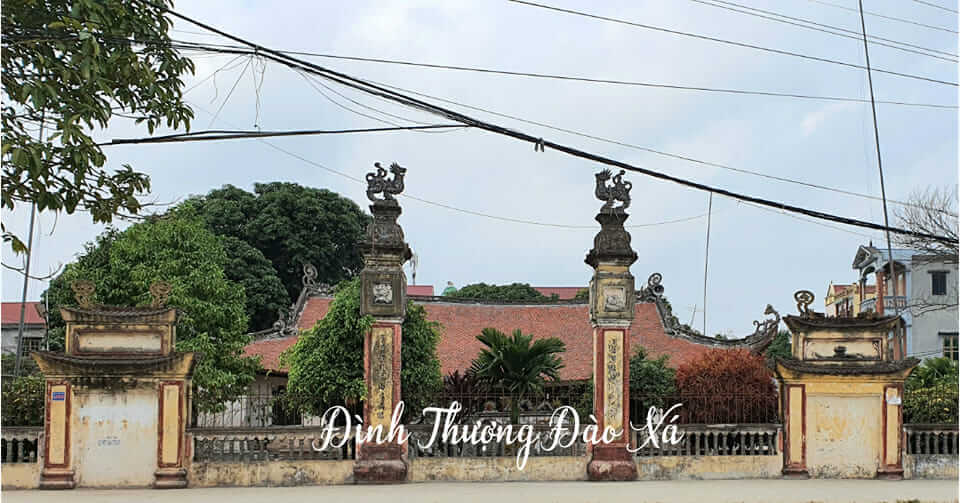
Thuong Dao Xa Communal House
Dao Xa Communal House was built on a high, open area of land in the north of Dao Xa village, Dao Duong commune. This land was explored and developed by the Dao family from the beginning. The communal house's facade faces south. Dao Xa Communal House worships Linh Lang Dai Vuong, the son of King Ly Thanh Tong. He had the merit of leading the army with his generals to repel the invaders, keep the land in peace, and protect the peaceful life of the people. When he died, he was worshiped by people in many places, including Dao Xa village, which honored him as the village's Tutelary God. The communal house was built in the Later Le Dynasty, restored during the Nguyen Dynasty with a Dinh-style structure including Dai Bai with 05 compartments and 02 compartments and the Hau Palace with 04 compartments. The ministries are doing it like stacking the mats and fighting cocks. At the communal house, many panels and structures carved with patterns of the Late Le Dynasty are still preserved, such as: dragons, red heads, fire swords, etc., demonstrating the high level of ancient artisans with their details. extremely unique and sophisticated. The communal house also preserves a number of very valuable artifacts and worship items such as: 01 Le Dynasty tribute bowl palanquin, altar throne, parallel sentences, bronze top, porcelain incense bowl. Every year, on March 10 and October 10 of the lunar calendar, villagers organize festivals to commemorate the merits of the god who saved the country and helped the people. Dao Xa communal house was ranked by the Ministry of Culture and Information as Decision No. 22/1999-Decision - Ministry of Culture and Information as a National "Artistic Architecture" relic on April 6, 1999. Source Electronic information portal of An Thi district, Hung Yen province.
Hung Yen 3621 view