
 vn
vn en
en ja
ja ko
ko zh
zh














List of tourist attractions (1509)

Thanh Nien Stream
Thanh Nien stream is located in residential quarter 4, Krong Kmar town, Krong Bong district, Dak Lak province. The location of the stream is nearly 60 km from the center of Buon Ma Thuot city, more than 2 hours. The Dak Lak Youth Suoi originates from the top of Chu Yang Sin mountain at a height of more than 2,000m above sea level. Surrounded by the majestic mountains and forests, the stream is dubbed the "green pearl" hidden of the mountains of the Central Highlands forest. People and tourists visit on holidays to organize interesting and exciting picnic activities such as camping, stream bath, SUP/Kayaking ... The most beautiful Dak Lak weather is around the end of November. This paragraph has passed the rainy season, the sky is clear, cool, the waterfall and streams still have a lot of water, so it is extremely ideal for you to visit and organize exciting picnic tourism activities. The end of the year is also the time when the Central Highlands stepped into the brilliant wildflowers, so you can take advantage of the combination of waterfall and flower hunting into the schedule of Dak Lak. In the rainy season, you can still visit the Dak Lak Youth Suoi to admire the beautiful scenery, but should monitor the weather forecast to avoid coming into the rainy period. The stones lying around the stream are very slippery, so visitors need to limit travel plans when bad weather. Thanh Nien stream is a tourist destination that attracts many tourists to have fun, but it has not yet developed the service, so it still retains its pristine and romantic beauty. Chu Yang Sin Mountain is located at an altitude of more than 2,000m above sea level, flowing through the large and small stones of all shapes to create a unique natural landscape. Around the Dak Lak youth stream is surrounded by dense primeval forests and far away are majestic mountains that make anyone have the opportunity to admire and admire, exclamation. The calm glides through the stones, sometimes the strong rush makes many tourists feel excited. Because the landscape in the stream varies depending on the stages of the year, no matter what time you visit, you can admire the pristine, romantic scenery. , organizing entertainment activities such as SUP/Kayaking, fishing ... in the area around the romantic stream. After having fun, you should find a large stone flat on the side of the stream to spread to eat, organize a BBQ barbecue, relax and chat with relatives.If you and the hard society are looking for a fun stop Playing, picnic on the weekend in the capital of the Central Highlands, definitely do not miss the Dak Lak Youth Suoi.
Dak Lak
5611 view



Lee's Hillside picnic area
Buon Ma Thuot has a charming "small desert" Lee's Hillside at the opposite of 37 hamlet 8, Cu Ebur commune, about 8km from the city center, making visitors fall in love with. Designed a lot of "divine" views, visitors still cannot resist "temptation" but invite each other to the Lee's Hillside picnic area to take "crowded" photos. The first small scene impresses visitors is a "colorful dubai", with white sand stretching, along with blue, yellow, pink, orange, gray stacks, making each other, making You just need to set foot in to be able to take 7749 photos "not in touch". Da is sleeping on the sand, combined with the golden sun and the wind of Ban Me, making us feel like we are lost to the deserted desert of Mongolia. Not stopping there, Lee's Hillside Buon Ma Thuot also has a room designed in a typical Moroccan style with carpets, pillows or pots of ceramic plants with many eye -catching patterns and colors. , with the sophisticated copper, bottle, kettle, helping you have a trip to the "one -night -one -night land". Moreover, the scenery of the western American American includes: dry grass, thorny cactus garden, old truck, corrugated iron patches traces of time, tires have worn or sharp petrol stations Color ... also skillfully recreated in the Lee's Hillside picnic area so that visitors can comfortably live. In particular, after "burning" shouting yourself with passion in the sun, you can go to a small pool with blue water in the middle of the campus to soak "cooling". Revealing, this swimming pool is built of stone with unique shapes, with super nice view overlooking immense forest, so it is also very easy to "buy" the satisfactory pictures. Buon Ma Thuot in particular and Dak Lak in general may have a lot of giant elephants, but if it comes to camels, there is only one brown "Em" in Lee's Hillside tourist area. The camel has a pure brown coat, because she is often showering, so Long is always smooth like cotton and fragrant, clean. Plus the cute "bewildered" face, making anyone love it. The space of the Lee's Hillside picnic area is quite spacious, suitable for outdoor parties, so it will be great if you enjoy The birthday party or romantic wedding party in the fresh, peaceful atmosphere and the cool breeze of the great mountains. Ma Thuot is no exception. But thanks to the high mountains and many trees, the atmosphere here is still much cooler than the plain. In particular, the sun will make the image more realistic and impressive, so this is an ideal time to travel to Lee's Hillside.
Dak Lak
4967 view


But Temple
As one of the temples in Hai Tien has just been coincided with and opened to welcome tourists from 2020 in Hai Tien Thanh Hoa beach resort. Hai Tien Buddhist Pagoda is located in Hoang Truong commune, Hoang Hoa district, Thanh Hoa province connected to the outside area, the famous Hon Bo rock beach that has been loved by tourists in recent years. Visit the hibi pagoda, you not only feel peaceful, relax and take off the burden of everyday fatigue. But here, you also have the opportunity to visit, experience spiritual space with unique architecture, spacious, magnificent, mixed with idyllic beauty and hear the sound of the waves and patting extremely relaxing, peaceful Beside the temple in Hai Tien beach famous as Hoi Long Pagoda, Hibi Pagoda is considered an ancient temple that has been very long, beautiful terrain, spacious temple space is also a spiritual place of spiritual worship people in the sea. Visit Hai Tien Thanh Hoa Pagoda in addition to the area of worshiping Buddhas - Dharma - Tang, worshiping Mother ... Here you can also see the whale skeleton - one of the sacred gods to protect fishermen out The sea of people in the sea of corrugated iron is his fish. The fish skeleton set was carefully preserved by the villagers for many years before the dead fish was drifted to the coast, the people had a burial ceremony, then invited the bone to worship so far. For the awkward people, Hai Tien Pagoda is not only a tourist sightseeing place but also a sacred and respectful place to worship. Especially whenever the fishermen go here to worship to pray for the rain and wind, the sky is quiet to be able to conveniently catch the seafood Binh An back. Open all year round, especially on Tet holidays, this place is very bustling because a large number of people and tourists come to visit. In the tourist season in Hai Tien beach from April to September is the time when the peak season of the tourist temple of Hai Tien Temple welcomes a lot of tourists to visit, you can come at this time. A special feature in Hai Tien Buddhist Pagoda is that there is a position close to Hon Bee rock - one of the most beautiful natural stone beaches in Hai Tien beach is extremely excited by visitors. Hon Bo Da Beach is located in the area behind the temple, with a separate path to help visitors can both visit the temple in Hai Tien sacred and check in the rock area with a large, magnificent space Nature bestowed.
Thanh Hoa
5250 view


Ma Hao Waterfall
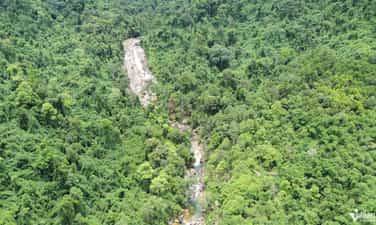
Ma Hao Waterfall, also known by the locals, is yawned, located in Cat Nang, Tri Nang commune, Lang Chanh district, Thanh Hoa province. As a famous picnic and discovery location in Thanh Hoa, bringing the beauty of the wild nature here is like a bright pearl in the middle of the mountains. Not only possessing a beautiful landscape in the mountains, this place is also known for the stories associated with the history of fighting the heroic foreign invaders of the nation. The waterfall is higher than 1,200m, which is both pristine and majestic and romantic as a girl who sleeps in the deep forest. The waterfall is surrounded by a vast primeval forest, creating an eco -tourism area that attracts thousands of visitors and resorts. This place also reached the top 7 beautiful magic waterfalls of Vietnam, so hearing that you must have imagined the beauty of the waterfall. Not only that, coming to Ma Hao Thac Thanh Hoa tourist area, you also experience many unique cultural and ethnic features of the people in Cat Nang. According to the old story, he was passed down during the reign of King Le Loi (in the 15th century), in one operation against the Ming enemy, the Le Loi army took a dog to run into the mountain when attacked to the foot of the waterfall, when The insurgents crossed the waterfall when the dog risked his bite to tear the fierce dogs of the enemy to exhausted and fell into the swirling water. After being released safely and buried the dog at the foot of the waterfall and named the waterfall (in Thai meaning the dog yawned), later in return to Ma Hao. The most ideal time for Ma Hao waterfall tour is the rainy season, at this time the waterfall brings majestic beauty, rushing water creates a wild scene, showing the strength of the mother's mother. Especially around May to August, visitors come here to avoid heat and cooling. Coming to Ma Hao Ecological Tourism Area, visitors will admire the beauty of nature in the northern mountainous region, with the high sloping waterfalls winding on the cliff, the lush green of the mountains will help you take it to the end. Enjoy fresh and peaceful space. On hot hot days, Ma Hao waterfall is an ideal place to cool down, with a fresh, cool atmosphere all year round. What could be better than being soaked in the blue, cool water, listening to the birds singing, the sound of the waterfall is very peaceful and refreshing. With the green space, this is also a picnic place, Great camping for travelers on weekends. Gather together together, sip a little food, drink, watch the wild scenery and release the soul and the vast waterfall. Moreover, with the scenery like a watercontinent picture, everywhere in the resort, especially in the area near the waterfall, it is a place to help you have vivid and unique checkin photos. , have fun at Ma Hao eco -tourism area, you should combine to visit sand instincts and experience the extremely interesting life of Thai people. With characteristics such as ancient stilt houses, and interesting festivals, games of upland people. You will be involved in activities such as launching, dancing stalls, fighting, etc. and more especially the opportunity to enjoy the typical upland delicacies such as wild boar, blue rice, forest vegetables,. .
Thanh Hoa
5354 view


Kim Son scenic area
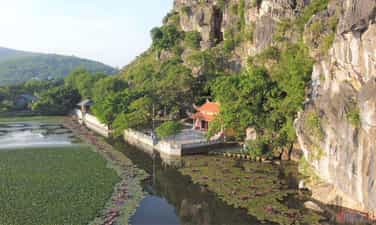
Kim Son National Landscape Complex has the address in Village 4, Vinh An Commune, Vinh Loc District, Thanh Hoa Province. It is about 40km about 40km from the center of Thanh Hoa city. Kim Son landscape today still retains the pristine beauty of the creator. It has a spectacular mountain population, including Tien Son dry system and Kim Son water, along with Linh Ung Pagoda on the cliff. The scene is also adorned by forests along the banks of the stream. Kim Son national landscape complex wears a majestic natural beauty, is a famous tourist destination, attracting visitors. From Hanoi to visit the national landscape complex Kim Son, you can move by personal vehicles or bus buses. Traveling to Kim Son, visitors can go into all seasons of the year. Each place possesses a unique beauty. However, according to many people the most ideal time to admire the beauty of this landscape complex is in the fall. In this season, trees began to change leaves, especially lilies blooming a whole stream, making the scenery here become dreamy and lyrical. Coming to Kim Son national scenic, visitors will be able to sit around the stream to watch the full scenery of this place. The stream is adorned with the beauty of lilies, the fragrant lotus makes the scenery even more poetic. The boat slowly brings tourists down the stream of the stream with a length of nearly 3km to explore the caves (Ngoc Ho, Ngoc Kieu, Tien Son cave); See the beauty of 29 limestone mountains; Admire the scene of Quang Linh Ung Pagoda ... The tourism chain on the boat around the stream lasts for about 30 minutes, giving visitors a sense of relaxation, being released into nature, enjoying the fresh atmosphere. Kim Son Vinh An Vinh Loc Thanh Hoa landscape is famous for its unique cave system such as: Kim Son water (Ngoc Ho cave): This is a yeast water along the stream through the cliff. The cave has stalactites with many shapes, beautiful glitter. The air inside is cool all year round. In the summer, when tourists go down to the cave, they will feel the cool breeze like a fairy. Ngoc Kieu cave: In front of the cave has a large stone in the north, the second floor has a large Buddha image. Inside the vast cave. Looking up from the bottom, the cave has a dome like a giant umbrella to catch the sunlight from above. A few places in the cave have low -lying water, the drip water is named Ngoc Gieng or Tien well. In the cave, the steles of Han Nom are also praised the beauty of Ngoc Kieu cave and Kim Son cave. Tien Son cave is located halfway up the mountain of the bay. The journey to discover Tien Son cave with all 3 palaces, aquariums and Tien Cung him will last for nearly an hour. Entering the palace, visitors will come across the statue of the Bodhisattva Bodhisattva on the shimmering lotus and the images of the fairy, Mr. Buddha, Quan and General of the world. Deep inside the cave also has many natural stalactites with all shapes such as stone flowers, Jesus statues, giant coral cotton ... go down to visit "aquarium", visitors can also see the stalactites with so many Unique shapes such as stone, fish, boys, mussels ... Stand here, you can also hear the murmur of the silver waterfall flowing down the stream below, launching white foam. Continuing the journey to visit Tien Son cave, visitors will be taken to the "fairy palace" about 15m high. The unique beauty of the cave and the sparkling, fanciful space gives visitors the emotions lightheadedness as lost in the fairy. Linh Ung Pagoda is also known as Ngoc Son Linh Ung Zen Tu, located in the Kim Son landscape complex. The pagoda is located in a beautiful position: Back to the cliffs, facing the vast lilies dress, surrounded by the majestic rocky mountains. Right at the entrance to Linh Ung Pagoda, there was a rock, above the Buddha's hand, below the famous Phu Bai of King Tran Nhan Tong. In particular, the pagoda is also the residence of the wild monkeys. Visitors visit the national landscape Kim Son, often visit the pagoda Van Canh, worship and pray. Kim Son Landscape is likened to "wonderful love" of Thanh with poetic and charming beauty. Anyone who has come here will not help but flutter at the unique beauty of nature. If you have the opportunity to travel to Thanh Hoa, you do not forget to visit the national landscape Kim Son!
Thanh Hoa
5594 view


Van Hoi lagoon
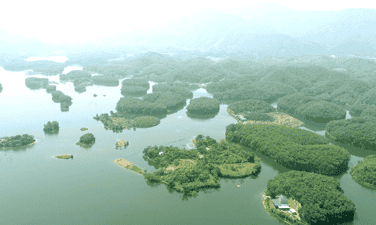
Van Hoi lagoon, green jade in the heart of Phu Tho, possessing a peaceful, poetic and lyrical natural scenery. The clear water surface shines on the majestic mountains, mixed with the fresh air, creating a charming painting. About 120km from the center of Hanoi, Van Hoi lagoon in Hien Luong commune, Ha Hoa district, Phu Tho province, is like a "miniature Ha Long Bay" in the Northern Midlands. It possesses wild, lyrical beauty with clear blue water, winding between mountains and green forests, creating a romantic and peaceful scenery. You can visit the Van Hoi lagoon at any time of the year to enjoy the fresh air and quiet natural beauty. However, to have a complete experience, follow the weather forecast before you go, avoiding rainy days that hinder the sightseeing and walk around the lake. If you can arrange the time, you should come here on March 10 of the lunar calendar to immerse yourself in the vibrant atmosphere of the Hung Temple Festival, combine to admire the beautiful scenery of Van Hoi Dam during the festive season. The system of the ancestral land. Van Hoi lagoon (Phu Tho) was formed for more than half a century ago, initially serving irrigation for agriculture in Ha Hoa and Tran Yen districts. With a length of about 10km, 2km wide and a total area of 410ha, this place has a majestic scenery, the immense water is like a charming nation of the Northern Midland. The unique feature of Van Hoi lagoon is the system of 40 large and small islands scattered in the middle of the lagoon, covering trees and the shelter of many wild birds. Surrounding the lagoon are large streams such as the Linh, rhyme, the lower, lemon nib, providing abundant water to nourish the green ecosystem all year round. In particular, the lagoon is also home to many species of freshwater fish and large turtles originating from Sword Lake, creating a rich flora and fauna. Visitors come here not only to floating on the boat, dropping themselves into the peaceful scenery but also can visit Dung May Port - the island of 3ha, where there is a panoramic view of the beautiful and beautiful dress. In addition, Van Hoi lagoon is also the place to live of the Dao, Tay and Kinh ethnic community, creating a colorful cultural picture. Visit here, visitors can not miss attractive specialties such as fried fish, black carp, fruit fish, forest bamboo shoots, garden chicken ... Not only have beautiful, majestic scenery The place of living of the Dao and Tay people attracts tourists to learn about diverse ethnic culture. Later, the Kinh people came to the lagoon to make the unique culture here. Next victory such as communal houses, Bat cave, Dong Yang, Goes - the ideal stop for the journey to explore the ancestral land. Van Hoi Phu Tho Dress is definitely a paradise to admire the beautiful scenery, close to nature and enjoy the fresh air "relieve stress" after the tired working moments or away from the noise and bustle of the city. Thi.
Phu Tho
3605 view


Ban Coi
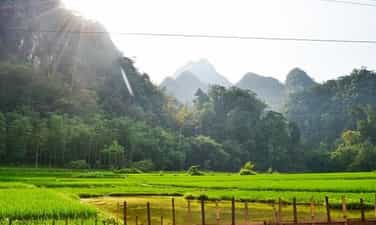
Phu Tho village is a destination to attract tourists today in the ancestral land. Visit this beautiful village you will enjoy the peaceful moments, look at the beautiful scenery and walk around the village to learn the unique culture of the Dao Tien people. The village is located between the core area of Xuan Son National Park, in Xuan Son commune, Tan Son district, Phu Tho province. Visit this famous location, you will be immersed in the green mountains and forest atmosphere, majestic typical of the Northeast of Vietnam and learn the characteristics of the Dao ethnic people here. The village has an impressive location lying on the back with the ten mountain range at an altitude of 1000m above sea level, visiting this location you will be immersed in relaxing and fresh peaceful space. The Phu Tho version possesses a beauty dubbed the "rough gem" shining in the middle of the pristine natural forest about 5km from the center of Tan Son district. The famous village of Phu Tho is home to more than 90 households who are Dao Tien people. The Dao ethnic people live in the village mainly living by cultivation, terraced fields and self -releasing cattle. Traveling to Phu Tho visit the village you will experience the daily life of the indigenous people, go to the hill to pick tea, catch fish streams, learn the customs of the Dao ethnic people, participate in arts and enjoy Specialties such as sweet potato flour mixed with sesame, mossy moss, vegetable soup, chicken spurs ... that is also the reason why the village is increasingly attracting tourists, especially young people Like to explore so much. Traveling to Phu Tho village, you will admire the palm forests, green tea hills, trekking trekking, watching waterfalls, exploring the Dao ethnic village and enjoying specialties. Around the village is surrounded by green tea hills, visitors will admire the young tea buds from the top of the hill to the valley to create a beautiful natural picture. The tea hill in the village of Phu Tho is located close to each other and is just enough for tourists to visit, especially early in the morning to see the buds in the morning mist or the scene of people picking tea. Together with the tea hills are palm forest and stair fields that run along the road nearly ten kilometers long, creating a beautiful and peaceful scene. Traveling to Phu Tho village, tourists also admire the pretty small houses lying nestled on the vast green forest. Those are small houses made of wood and roofing with palm leaves you feel like you are lost in the middle of the scenery in the life of plants. This is also an ideal place you can choose to rest in the middle of the summer sun and the roof of the roof from dried palm leaves so it is very cool and has a natural fragrance. Xuan Son National Park possesses a variety of flora and fauna, including the big old trees so when you go to the village you can not ignore the experience of trekking through the forest to admire the forest or these The majestic limestone caves. The area in the middle of the mountain is the ideal destination to immerse themselves in the cool water in the middle of the deep green forest. Coming to Phu Tho village, you are not only trekking, visit the waterfall, admire the tea hill, the immense sedge forest, but also visit the village of the Dao Tien people here to learn the lives of the people and Phong Phong and Phong. customs. Although no longer lived in the middle of Ten mountain as before, the customs and customs of the people were still intact. Among them are the architecture of the house with palm leaves, ethnic costumes, acute ceremonies, prayer dance, traditional craft villages, woven litchi, wine ... Nine spurs used to be a specialty used to advance the king associated with the legend of Son Tinh - glass. The famous cooked chicken is more delicious, fragrant and more tasty than other chickens. That is why many tourists are not afraid to go to the remote roads to go to the village to enjoy the specialties of Chicken Chicken once and buy as gifts. The Phu Tho version converges all elements from nature, people and cuisine deserve to be an ideal destination to relax on the weekend "escaping" with close friends after tiring working hours.
Phu Tho
3649 view


Moss Stream (Moss Abyss)
Mossy stream is also known as moss, 3km long and located in the ravine of the boat. This is a place with majestic scenery, ideal for experienced and exploring travel trips. To reach the moss stream, from the center of Luc Nam district, you can follow Highway 37 in the direction of Red Star more than 10 km to Giap Son hamlet, where there is moss. The moss and its waterfall always launched white foam, creating a mysterious scenery and attracting tourists all year round. On the way to this Luc Nam tourist destination, you will have the opportunity to enjoy the immense green of the West Yen Tu mountains. When you approach the stream, you will feel the cool and fresh of the air, along with the sound of the sound of the holy forest bird. In the stream, the water will form a waterfall about 15 meters high, always white foam all day and night. At the foot of the waterfall, there is a lake wide enough for a few dozen people to bathe. To set foot upstream, the distance of 3km must be passed along a rugged cliff. When passing through the stream, visitors can hear the crushing sound from the clear white stones under the water. Experience in Bac Giang, from the top of Ma Yen Mountain, visitors can enjoy the panoramic scenery of the western Yen Tu ribs, the mountain of the other on the other side, the mountain of the people on this side and the ravine of the boat has the same shape. its name. This season with little water, the stream heart only has a small cool water from the upstream, crept through the murmuring rocks. This is also the time when the stream has the opportunity to show off her healthy beauty. Veget carpets on both sides of the stream are quite rich: sim, buy, bamboo, bamboo and many other types of trees have not been known. On the cliff, we sometimes meet hundreds of years old ancient trees with big and shaggy roots buckling into the wall, both stubborn and arrogant, the leaves drop down the soft stream like willow ... Go down, you can see small, blue lakes - blue -shower lakes that nature has bestowed on visitors. From the top of Ma Yen mountain, hundreds of miles long to look at a large, majestic area to the magic of the West Yen Tu ribs, we only see how small people are in front of nature. In the summer, the stream in the moss is an ideal bathtub that anyone who has the opportunity to come here is hard to ignore. As for the rainy season, at such a high slope, the moss is much more beautiful because of all kinds of high and low waterfalls in the wild mountains of the thousands of Western Yen Tu forest. Along with Suoi Mo tourist area, golden water, Giot water, moss is a gift that nature favored to the Luc - Huyen river region.
Bac Ninh
6045 view


Khe Coc Island
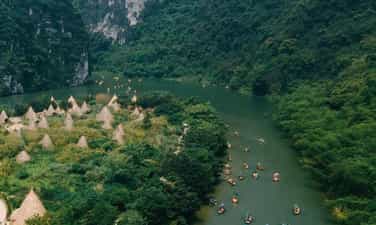
Hidden in the core area of Trang An eco -tourism area, Hoa Lu, Khe Coc Island is an attractive destination, where visitors can visit and experience the display space to recreate the community activities of Cu Cu Trang An ancient people thousands of years ago. Khe Coc Island in Ninh Binh vividly recreates the lives of prehistoric people, with activities such as cooking rice, pounding rice, hunting, gathering is expressed through mannequin and true artifacts. Coming to the island, you can immerse yourself in the life and culture of the prehistoric people. With prehistoric costumes, souvenir photography. On the island of Coc Ninh Binh, the inventions and creativity of the ancient Trang An residents are also carefully preserved, to see how they make efforts to make life more progressive and easier. Khe Coc at Trang An Ninh Binh, visitors can also see the majestic majestic natural landscape of the scenery here. The mountains coincided with the long winding rivers. Khe Coc Island recreates the cultural life of the prehistoric people after the Idking era, indigenous people had to find many new activities to adapt to the form of heaven. Of course, completely different. Plus the terrain in Trang An area is also very sharp, the protruding mountains formed during the melting process have created a separate space from the outside world. These two have made the prehistoric people different from other places, creating a very own space. Khe Coc reproduces the unique cultural life of the prehistoric people after the melting, the time appears new ways of living to adapt to the difference of the surrounding nature. An, with the protruding mountains formed from the process of melting, created a separate space, separate from the outside world. Combined with separate cultural elements, contributing to creating a unique feature for prehistoric people living here. In 2024, Khe Coc Island was developed and built to launch the series of events to celebrate the 10th anniversary of the Trang An scenic complex to become a world natural heritage. The chemistry of Ninh Binh, giving international visitors a new look of the unique history of the people here. Tourists were very interested and surprised to experience and explore Khe Coc Island, which vividly recreated the lives of the old people, immersed in the unique cultural and artistic space.
Ninh Binh
5312 view


Thung Voi
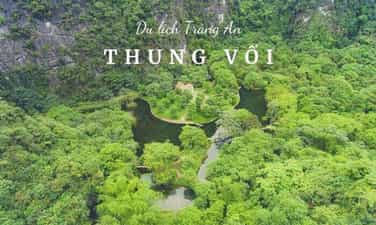
In Trang An Ninh Binh there is a vast valley with thousands of good green trees all year round. This ancient forest is less known, because it is located in the core area of the world heritage. The Valley is located in the core of the world cultural and natural heritage - Trang An scenic complex. This place still retains its pristine, intact preserved as inherent. To reach this valley, he had to climb high mountains and deep mountains. Recently, the underground river through the mountains was dredged so that the boat could be back and forth, besides a walking path in the mountain is also paved so that visitors can move here. Located in the middle of the valley, Thung Voc Temple was built and became the center of this new tourist destination. The famous spiritual tourist destination, is a destination for people to offer incense to pray for luck and peace for themselves and their loved ones. The temple architecture is quite simple, built with non -plastered brick walls, bringing decorative Buddhist decorations. When visiting as well as going to the temple to burn incense, remember to wear discreet, polite costumes to suit the solemn and sacred atmosphere of the temple. The Valley is named so because it stands for the valley full of trees. The tree, an old tree familiar to the people of the North, is often used to pick leaves to cook drinking water daily. Water is slightly acrid and very good for health. Along the route to visit the Va Vong, both sides of the river are all ancient gardens, a rare landscape in Vietnam. Coming to Ninh Binh Valley, you will see a whole forest of long -term primeval, thousands The tree of unknown tree has ever had itself, only knowing that they have witnessed so many ups and downs. Each tree rises high with wide foliage, covering the shade of green to the whole valley. In particular, it is a good green tree all year round, not deciduous in the winter, bringing a fresh and vibrant scenery to this land for four seasons. Along the route to visit the Valley, in addition to the ancient trees, thousands of people also plant more trees to maintain the best green vegetation possible. To ensure that the landscape space and the ecosystem are always green. Valley of Trang An with rugged and bumpy terrain makes the difficulty approach, limiting the appearance of humans, especially those who hunt small animals such as birds and fish. This has made this place an ideal living environment, so that the flora and fauna develops more diverse and more. During the journey of discovery, you will be immersed in the peaceful, pure space with the sound of birds chirping, the sound of frogs shouted, bringing a sense of relaxation as if they were lost in the fairy landscape.
Ninh Binh
5141 view


Ninh Binh Dinosaur Park
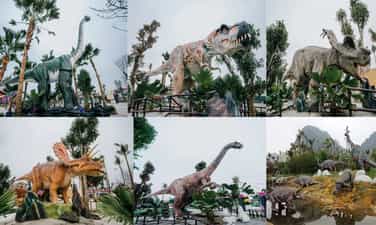
Dinosaur park is located in Square 3, Ninh Khanh Ward, Ninh Binh City. This location was launched in January 2020, the idea of Disneyland America with more than 200 dinosaur models of all sizes from large to small. Especially, the dinosaurs lived from the Jurassic period were extremely vivid from the image to the sound, this is the Ninh Binh tourism experience that it is hard to miss. At this point, you will feel like lost in the ancient world when this giant creature is still living and spoiled for photography. In addition to the giant dinosaurs, there is a play area, artificial grass, food restaurant, ... A place to explore and discover, ideal picnic for families and children to see guarantee. Bao admired incessantly. If you are a hard fan of giant dinosaurs as well as Jurassic Park movie, this place will be an extremely attractive place for you. With more than 200 super -monumental dinosaur models, with children up to 30m tall and know how to move as real. The design divides them into different areas and is divided into periods that this huge animal dominates all species such as: Tam Tam Diep, Jurassic Ky Jurassia or Ky Ky White. This Ninh Binh calendar is extremely diverse from morphology, sizes to categories such as tyrant dinosaurs, flying dinosaurs, grass -eating dinosaurs, etc. , suitable habit or living environment. There is a plate that writes full information so that people can come to visit and learn the most. Built and inspired by the world's leading Disneyland amusement park. Coming to Ninh Binh dinosaur park, besides admiring the collection of massive dinosaur models, you also enjoy relaxing moments with super attractive, bustling and new entertainment and entertainment areas. Combining more than 20 extremely funny games for many different ages. With the desire to preserve the values, traditional cultural beauty. Experience to visit Ninh Binh Dinosaur Park in addition to learning wildlife, playing games, children can also visit the countryside market. The place to recreate some pictures of the lives of the ancient Northern people extremely rustic. Sightseeing, learning, taking pictures check in. Enjoy holding and touching the objects of the old grandparents used in the past such as: old bicycle, bamboo items, cover, rice mill, ... A peaceful space for peace Enjoy the rustic beauty, discover traditional culture and buy souvenirs about gifts. The population of the landscape, the temple has the beauty of the beauty of the more ecstatic plus the dinosaur park Ninh Binh For your trip to this land more interesting experiences. If you have the opportunity to return to the ancient capital, do not forget to visit this park to visit and enjoy the impressive play time.
Ninh Binh
4272 view


Van Ha wine village.
Van Ha is a famous village in Bac Giang district. This place is passionate about the specialty of Van Ha, which has been offered to the king. That good wine made the Emperor Le Hy Tong, who used to taste so much of the strange things, still had the compliments: “Van Huong is beautiful in the North The feat Van Ha wine village is located in Van Ha commune, Viet Yen district, Bac Giang province. The village is located along the bank of the Cau River, stretching more than 1km. Despite being a village, the special thing is that people here do not have fields. They do not transplant rice, livestock but mainly by trade, of which, the most typical is the profession of brewing. Village wine is elegant, smooth but passionate. The name of Van Vân wine became a beautiful king, a deep pride of Van Ha people in particular and Bac Giang in general. According to the people here, the wine making in Van Ha village has started for more than 400 years. Wine career group is Mrs. Nghi Dinh. She brought wine from China and taught Van Ha villagers. Since then, people in the region have gradually become better, no longer poverty. Therefore, the people here worship Ms. Nghi Dinh to be the Saint. And on the 4th of the Lunar New Year, each village will send a person to the pagoda to cut blood. The words preserve the secret of the nest, not to be transmitted to the world. Van Village Wine is famous for many generations, is the quintessence of many "Kings who know the face, the Lord called the name". During the feudal dynasty, this wine was always selected to offer to the king, appearing in the Linh Dinh party. Van Village Wine has been everywhere, from the South to the North, and the whole country. In addition to the Emperor Le Hy Tong, there is also a favorite King of Bao Dai. The famous French font - ten (fontaine) wine company also uses Village Wine as a wine to make. Village wine is clear, has a passionate, spicy flavor. But in particular, that wine makes people dreamy but when they wake up, they do not feel headache, tired but also feel healthier and more refreshing. All stem from sophisticated, meticulously prepared, cooked and incubated stages as well as clean and no preservatives in the process of making alcohol. The ingredients chosen to brew wine are delicious yellow flowers. The chosen rice grain is not young rice or pouring rice but must be ripe. Each grain of rice must also have enough tension, biet, gold. One more thing to determine the taste and quality of Van Van wine is a special yeast. That yeast is made from 35 herbs. After fermentation of glutinous rice and brewing, the wine will be distilled through a multi -layered filtration and processing system. Thanks to that, the wine retains a delicious flavor that does not affect health. After distillation, alcohol can be put into use. But in order to keep the smooth taste, Van Duoc village wine took down the earth with porcelain vase. The longer the time, the more delicious the wine is. That fussy created Van Village wine with a passionate taste. Village wine has existed for a long time, famous throughout the four directions with its own unique taste. There have been people in Van village to bring those processes to other rural areas such as Phu Tho, Nam Dinh ... but still the type of rice, yeast and the formula can not create the quality and soul of Van Van wine. Perhaps because of the lack of Cau River water. The soul of Van Van wine is the blend of homeland cuisine. Is a rich, pure flavor. That wine drunk, drunk in a sweet, sweet background. Van Village Wine is popular not only in the country but also abroad. The passionate taste can be compared to any kind of excellent whiskey in the world. However, due to cooking from local ingredients, the price of Van Van wine is quite cheap, only about 260,000 VND/bottle (500ml). Village Wine has become proud of the people of Bac Giang. For many people, this is an indispensable dish in meals or holidays. Slowly click each breath, the yeast slowly absorbed in the mouth, lingering the sweetness of sticky rice, the soul of Van village.
Bac Ninh
5952 view


Gia Hung sheep field
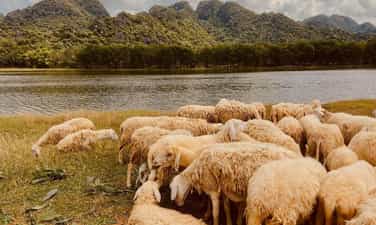
Gia Hung sheep is a very hot check -in coordinates located in Gia Hung dike, Gia Vien district, Ninh Binh province, about 25 km from the city center along Highway 1A. In particular, this place is very close to Van Long Dam, one of the most beautiful and famous destinations of Ninh Binh tourism. The sheep of Gia Hung Ninh Binh made young people fever because of a beauty that was not inferior to the famous sheep in Vietnam. Before your eyes with a surprisingly beautiful scenery, anyone who saw it was admired and fluttered. It owns a vast, green lawn stretch. Dap dotted on the romantic green background are sheep with white fur, engrossed in grazing. In particular, the scene became even more impressive by the appearance of the green pine trees in the distance and the beautiful small boats were floating on the peaceful water. Any is always very beautiful, enough to disturb all the hearts of the devotees. But beautiful, you should come here in the afternoon. At this time, the sun was soothing, the atmosphere was extremely cool and pleasant. At the same time, this is also the time when the sheep hundreds of sheep are driven out of the barn to gray the grass, giving you the opportunity to make pictures of super shimmering virtual virtual living in. Coming to the Gia Hung sheep, you will definitely be soulful immediately by the peaceful, poetic natural scenery of the Northern countryside of the North. The sheep appeared in front of our eyes as a green, wide and wide grass embracing the peaceful river. In the distance, there is a whispering row with a few small and small boats, as adorn the scenery more charming. heaven. There are many ideal backgrounds for you to pocket yourself a super -quality virtual album. The sheep here may be too familiar with taking photos of visitors, so they are always very friendly and cute. Unfortunately. This is a lagoon of extremely large area, up to more than 3500 ha. Not only is the largest wet wetlands in the North, Van Long Dam also makes visitors fascinated by the natural scenery that is both lyrical and mighty. The lake boat, enjoying the beautiful natural picture of this place. Besides, you also have the opportunity to visit beautiful caves.
Ninh Binh
3808 view


Suoi Nua Lake
Suoi Nua Lake is known for a large lake surface, bringing a variety of aquatic products. In addition to supplying irrigation water for more than 1,000 hectares of agricultural land in the downstream area, Suoi Noi Lake is becoming an attractive destination for visitors to explore and experience the interesting natural scenery. Due to the vast lake surface, the lake bed is deep, the seafood here is very diverse and rich. And so, has been forming a fishing service on the lake. Here, you can participate in fishing services for about 50,000 VND for a day. In the morning, the peaceful scenery creates a great space and if you have the opportunity to go to the boat on the surface of Suoi Noi lake, you will be able to see the green islands standing out in the clear water. If you have the opportunity to go to the boat on the surface of the lake of Suoi Nua, visitors will be able to see the green islands that illuminate themselves by the clear water. Ripe red orange garden on the peninsula, also attracts visitors to Suoi Nua Lake. Suoi Nua Lake is a naturally natural, biodiversity and specific cultural conservation area of the local population. Currently, Suoi Noi Lake is becoming an attractive destination for travelers who want to explore and experience the fresh natural scenery with green islands lying independently in the lake campus. Around the lake, there are many vacant lots for tourists to set up tents, camp and enjoy private space for couples in Bac Giang. The first experience you can try is to release the soul on the yacht feeling the immense, tranquility of the lake surface, admire the clouds of clouds and water. Coming to Suoi Nua Lake, you can visit 5 floating islands in the lake bed. The romantic space, sitting on a green carpet, enjoying the typical fruits of Bac Giang will make you immersed in the peaceful beauty of nature. In addition to the specialty fruits, at the Lake of Suoi Nua, you also enjoy the "products" from nature such as honey, gecko wine, chestnut, ... these are all difficult things to earn in the city. hustle and bustle. In addition, visitors can experience the lives of ethnic minorities with unique cultural values. In particular, the people here are very friendly and hospitable, they are always ready to welcome guests to visit with sincerity. In addition, you can also join them in the songs of Sloong, Hao, Si, Canh, Shame of San Chi, Cao Lan, Tay, Nung ... Each place will have a separate time to show all the beauty of beauty Inherent that nature offers. With Lake Suoi Noi, you can come here at all times of the year to enjoy the cool and fresh air of this place. However, the most favorite time is still summer. Surely with the hot atmosphere, the dazzling sun of the city, here, the summer gives you a cool feeling. The gentle breeze, peaceful atmosphere, fresh nature will sweep away all the troubles in your life. Suoi Nua Lake is a peaceful place, suitable for those who love the type of community experience, climbing sports or simply find a place to rest after tired working days. If you are interested and want to visit the Nam Giang Luc Nam Giang, do not forget to visit this tourist destination!
Bac Ninh
5778 view


Hang Chieng Waterfall - Khe Nuong Dau.
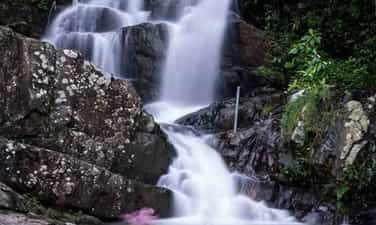
The Gieng Hang Gioi Waterfall is one of the most famous natural wonders of Vietnam, especially in the North and Western Western region. The image of a strong flow of water flowing from above, creating white clouds amidst the majestic mountain scenery has become a symbol of this land. Gong cave is a natural waterfall, formed by the erosion process of limestone for millions of years. The water flows down from above, forming white clouds, flowing white foam. The rushing water blends with the sound of forest wind creating a majestic natural symphony. Waterfall is located in the Northwest mountainous region of Vietnam, one of the most rugged and biodiversity areas in the country. This special geographical position has contributed to the wild and majestic beauty of the waterfall. With a height of hundreds of meters, waterfall like a giant white silk strip poured down from above. The width of the waterfall is also very impressive, creating a majestic panoramic picture. The water source of the gong cave is from small streams. Over the millions of years, the country has been constantly eroding limestone, creating caves and waterfalls as today. This waterfall is not only famous for its strong water but also by the surrounding landscape extremely majestic and poetic. Amidst the thousands of Northwest mountains, waterfalls like a gem, shining brightly. The terrain here is created by stacked limestone blocks, forming steep, majestic cliffs. The water flows down from above, through the rocks, creating deep sounds, as a symphony of nature. This landscape not only brings wild beauty but also a great challenge for those who want to explore. The rock here has many strange shapes, eroded by flowing water and wind to create unique shapes. Trees covered the cliffs, creating a beautiful picture of nature. From the top of the waterfall, visitors can see the entire surrounding landscape. Non mountains coincided, cloudy clouds, river winding like a soft silk strip. It feels like lost in a fairy world, where people immerse themselves in nature. The Northwest mountains with rugged terrain and typical climate have created an ideal living environment for many rare creatures. The forest around the waterfall is home to many animals such as monkeys, deer, deer, even large cats like leopard and tiger. In particular, the gong cave with the mysterious cave system is the shelter of many bat species. At night, thousands of bats fly out of the cave to create a fanciful scene. Amphibians like frogs and clones also find shelter in small puddles around the waterfall. Around the waterfall, plants grow lush, creating a beautiful picture of nature. The primeval forest is covered with many old trees, shrubs and plants. Trees not only provide oxygen but also a shelter and food source for many animals. The forest around the waterfall also has many valuable medicinal plants used by local people to treat diseases. This medicinal plant has become an integral part of the lives of the people here. The best time to travel to Hang Gioi - Khe Nuong Dau waterfall: Spring and autumn are the two most beautiful seasons for you to come to Chieng cave. When spring comes, nature seems to wake up after hibernation. The mountain forest put on a new shirt with blooming flowers. The waterfall becomes clearer than ever, murmuring in the warm sunshine. When the autumn comes, the gong cave put on a quiet, romantic beauty. The leaves turn yellow and red, creating a beautiful picture of nature. The chilly air, the fog sealed the way, added to the fanciful look for this place. You should avoid going to Chieng in the rainy season because the road is quite slippery and dangerous. In addition, the vision is limited due to heavy rain. One of the most attractive activities when coming to Chieng is trekking. You will be immersed in the pristine nature, conquering challenging trails to reach the hidden corners of the waterfall. The feeling of conquering the peak of the mountain, facing the majestic beauty of the waterfall will bring you unforgettable experiences. Camping on the banks of the waterfall is a great experience for those who love quiet and want to enjoy the fresh air. You can set up tents, fire, and friends to organize BBQ barbecue and see stars at night. Gong cave with beautiful natural scenery is an ideal place for you to unleash your creativity with photos. Waterfall, mountain forests, flowers ... are all beautiful corners that you cannot ignore. Coming to the gong cave, do not forget to enjoy the specialty dishes of the local people. The rustic, rich dishes of the mountains will surely satisfy your taste. The Gong Hang Gong Waterfall is an ideal destination for those who love nature and want to discover mysterious legends. The combination of pristine nature and modern travel utilities will surely bring visitors unforgettable memories here.
Bac Ninh
5258 view


Van Trinh Cave
Van Trinh cave is a big cave, along with the galaxy cave, mermaid cave, the cave is the most beautiful caves in Ninh Binh. The cave is located in Mo mountain in Thuong Hoa commune, Nho Quan district. Along with Kenh Ga hot spring, Van Trinh cave has been put into the planning for construction and exploitation of Kenh Ga - Van Trinh tourist area. The cave is in a mountain more than a hundred meters high. The entrance is in the middle of the mountain, about 40 m high above the ground. Tourists on the tour will go by boat from the Hoang Long River wharf. From Hoa Lu city, you can go to the cave along the road of Trang An Road from Ho Ky Lan through Trang An eco -tourism area, Bai Dinh pagoda extends to the cave. The area of Van Trinh cave is very large, over 4000 m². The highest dome of over 100 m, under the arch is the iridescent, colorful stalactite floors down to look like a shimmering, splendid stone curtain, the floor has many unique flowers. Deep into the cave is a dragon well with water from the bottom up. In the cave there are many sparkling stalactites with many different shapes and colors. The air in the cave is relatively cool and pleasant. Around the cave are stalactites with stalactites with all kinds of people, fairies, mothers and children, plants, animals such as children, eagles, tigers, turtles, big stones, small stones Smooth like duck eggs, chicken eggs, balls, beans ... there are many rocks like bodyguards, actors who are dancing and singing, scenes of King Thiet Trieu, Guan Shen stands in adoration; There is a wide road to the hell ... The more spiritual value in the Van Trinh cave is the stone stalactite of the "precious" manner of the man, located opposite a small hole called "gate". The infertility of the children often touch and go through that door to pray for luck. There has been a longer time of more than 100 years of the cave is buried (also known as the cave), so the Van Trinh cave does not have many vestiges of the famous artists but since 2001 is opened and is a very steaming destination. Leading domestic and foreign tourists to visit.
Ninh Binh
3808 view


Vai Gioi Cave
In the past, the old people were where the people of Hoa Lu made the sky and the sky prayed for the rain and wind. Today, this place is known as a fairy-tale place when fully converged: "Hell-Tre-Trien-Dien Duong" in the ancient land. In each floor, it will make visitors feel different like: Binh Binh Daily life with "earthly" layer. Sinh Lao Diem Death, Kiep Causes of Reincarnation with "Hell" and the feeling of escape on "Heaven". Located on the high mountain in Thung Nham eco-tourism area, the cave is about 5000m2 wide with 3 floors "Hell-Tre Gian-Trien Duong" hidden many stalactites with shapes symbolizing Nirvana realm, boyfriend slap, heaven. Stepping through that gate of a few dozen steps suddenly appeared on the towering black stone wall with stone veins and long crossing, increasing the majestic appearance. "Large and beautiful below with large stalactites like a cool stream, like the high -grossed forehead, but the stalactor and mushrooms are blooming. The magnificent stalactites of the metallic light, carrying the quintessence of the ocean and the sea for a while reigning here. From the "earth", tourists looked up to see a small way to "heaven". Stepping through a fairly long narrow way, through a place of worship, the sky gate will open ahead, zooming in from here will capture the image of the field, the house in the valley, next to the wharf river with the children. Small boats carry tourists back and forth and mountain peaks undulating blue clouds. From this sky, earth, sky, clouds, water, people, plants and animals seem to blend together. Many stalactites in the cave are as vestiges of animals, fish bones ... located in many places in the cave, giving visitors seem to be lost in an archaeological animation with many ancient evidence. Hell in the cave There are many stalactites with the ancient legends such as: Nai Ha Bridge, Tam Sinh Thach, Pluto ... on the "earthly" floor can see flat rocks like a simple, rustic life of reality. The "hell" floor has 2 blocks of stalactites like a clam dog, this is the distinction between the hell and the earth. Gioi. Many tourists come to the cave to take souvenir photos with this special mold. From the upper door of the cave, it is possible to observe the whole scene of Thung Nham mountains with coincidental mountains, the point in which is stilt houses to create a beautiful and vivid picture.
Ninh Binh
3900 view


Mermaid Cave
Mermaid cave is one of the beautiful caves, naturally bestowed by nature, attracting visitors. The mermaid cave is located in the core area of Trang An World Heritage Complex, belonging to the population of Thung Nham bird's eco -tourism area, Hai Nham village, Ninh Hai commune, Hoa Lu district, Ninh Binh province. The cave is called "mermaid" because of the magnificent landscape, the shape of a mermaid on the cool underground stream, like the scene on the ocean floor. Over hundreds of millions of years, many stalactites gradually no longer see the original shapes. Local people have placed a meticulously sculpted mermaid statue from the stalactites inside the cave. This cave has also been called "fish cave", because there are two rare and precious fishes living, namely Troi Tien King and perch. These two fish live in cold water, groundwater in limestone mountains. In the past, people used this cave to offer the king, because of the delicious taste. Today, these are two rare and endemic species of Ninh Binh, especially in Truong Yen - Hoa Lu and Thung Nham - Ninh Hai. Each season is different, the mermaid cave has a mysterious beauty. To go to the mermaid door, visitors step through about 200 stone steps, shady and cool, old, green bamboo canopy. Continuing to go deep into the cave, visitors climb down 40 deep and sloping stairs, eat into the mountain. The mermaid cave has a length of about 500m, winding along the limestone mountain, bringing pristine beauty. The widest place of the cave is only about 30m, 40m high. The ceiling surface of the mermaid cave is slightly rough, rough, with stalactite system with many strange shapes. This cave is located deep in the ground, visitors will walk, not sightseeing boats. Visitors will walk along the wooden road throughout the cave length, spleen through each large stalactite block. Under the dim light, the emulsion blocks appear beautiful shimmering, helping the mermaid space more mysterious and tinged with fairy tales.
Ninh Binh
3813 view


